
The fiddle leaf fig (Ficus lyrata) is a beloved houseplant prized for its broad, violin-shaped leaves and dramatic presence. But despite its popularity, it’s also known for being finicky. Yellowing leaves, leaf drop, brown spots, or stunted growth are common signs that your plant is struggling. The good news: even a severely weakened fiddle leaf fig can often be revived with the right diagnosis and care adjustments. This guide walks you through identifying the root causes of decline and implementing effective recovery strategies.
Step 1: Diagnose the Problem Accurately
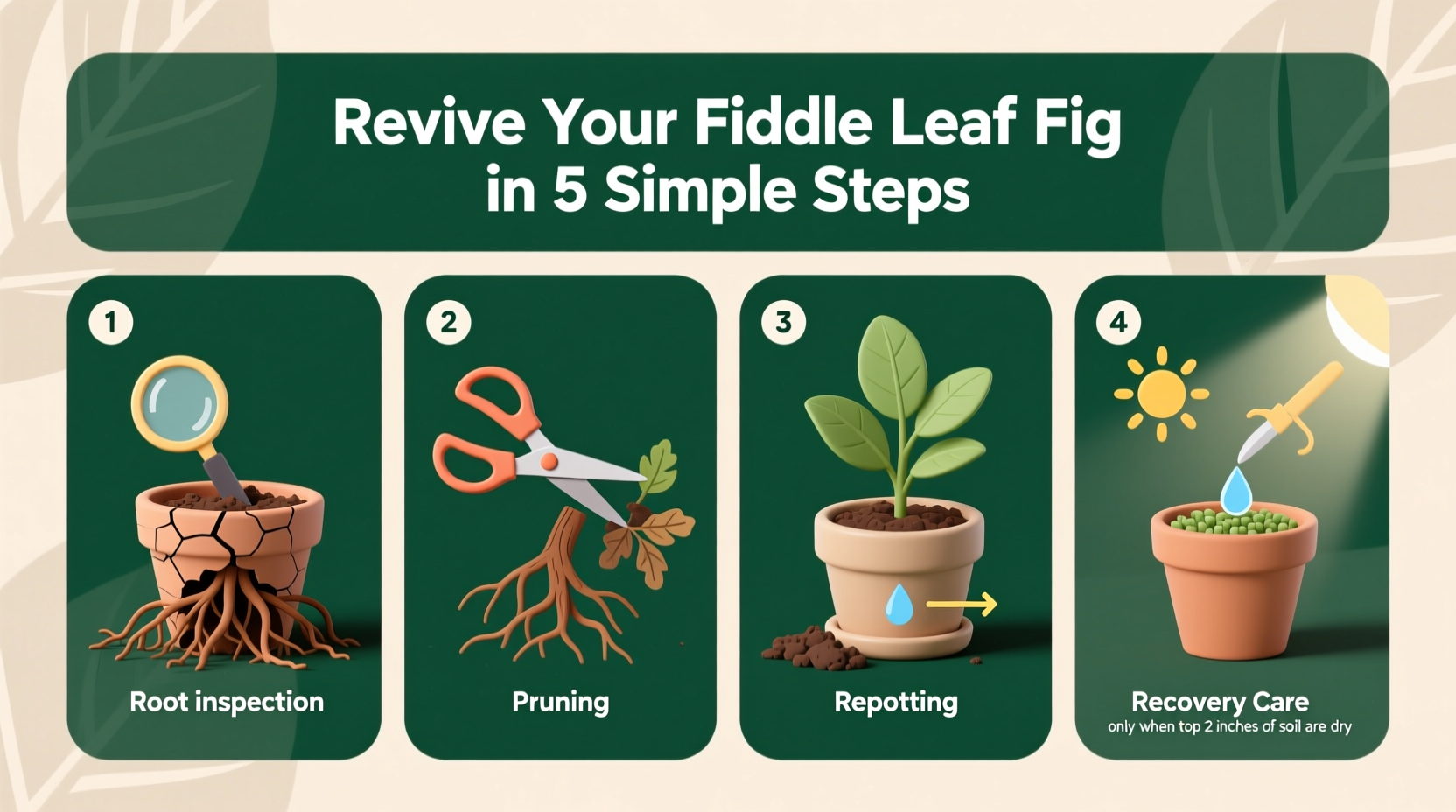
Before making any changes, determine what’s actually wrong. Fiddle leaf figs react poorly to multiple stressors, but symptoms can overlap. Misdiagnosis leads to incorrect treatment—sometimes worsening the issue. Start by observing the plant closely and asking key questions:
- Are leaves dropping from the bottom?
- Do new leaves emerge smaller or misshapen?
- Is there browning along the edges or in the center of leaves?
- Is the soil soggy or dry? Does it smell musty?
- Is there visible mold, fungus gnats, or webbing?
These clues help narrow down whether the problem is environmental, watering-related, pest-driven, or disease-based. Common culprits include overwatering, poor drainage, inadequate light, temperature stress, pests, or nutrient deficiencies.
Step 2: Assess and Correct Watering Habits
Overwatering is the leading cause of fiddle leaf fig death. These plants prefer to dry out slightly between waterings. When roots sit in wet soil, they suffocate and rot, impairing nutrient uptake and leading to leaf drop and discoloration.
To check if overwatering is the issue, gently remove the plant from its pot. Look for dark, mushy roots—these are signs of root rot. Healthy roots should be firm and white or tan.
If root rot is present, act immediately:
- Trim away all black, soft, or smelly roots using sterilized scissors.
- Remove old soil and rinse the remaining roots under lukewarm water.
- Repot into fresh, well-draining soil (a mix of peat, perlite, and bark works well).
- Choose a pot with drainage holes—never let the plant sit in standing water.
Underwatering can also cause problems. Dry, crispy leaf edges and slow growth may indicate insufficient moisture. Stick your finger 2 inches into the soil; if it feels dry, it’s time to water. Use room-temperature water and soak thoroughly until excess drains out.
Watering Best Practices Checklist
- Check soil moisture weekly during active growth (spring/summer).
- Allow top 1–2 inches of soil to dry before watering.
- Use pots with drainage holes.
- Avoid saucers filled with water.
- Reduce watering frequency in fall and winter.
Step 3: Optimize Light Conditions
Fiddle leaf figs thrive in bright, indirect light. Too little light results in weak growth, sparse foliage, and leaf drop. Direct sunlight, especially midday sun, can scorch leaves, causing brown patches.
Place your plant near a large east- or west-facing window where it receives several hours of gentle morning or late afternoon sun. A south-facing window with sheer curtains is ideal. Avoid dark corners or rooms with minimal natural light.
If natural light is limited, supplement with a full-spectrum grow light. Position it 12–24 inches above the canopy and run it for 10–12 hours daily.
“Light is the engine of recovery for stressed fiddle leaf figs. Without adequate brightness, no amount of watering adjustment will fully revive the plant.” — Dr. Linda Torres, Urban Horticulturist
Step 4: Improve Air Quality and Humidity
Fiddle leaf figs originate in tropical regions of West Africa, where humidity levels are consistently high. In dry indoor environments—especially during winter—they struggle. Low humidity contributes to brown leaf tips, spider mite infestations, and stunted growth.
While misting is popular, it offers only temporary relief and can promote fungal issues if leaves stay wet too long. Instead, use one or more of these methods:
- Place a humidifier nearby (ideal for consistent moisture).
- Set the pot on a pebble tray filled with water (ensure the pot isn’t sitting in water).
- Group plants together to create a microclimate.
Avoid placing your fiddle leaf fig near air vents, radiators, or drafty windows. Sudden temperature changes below 55°F (13°C) can shock the plant and trigger leaf loss.
Step 5: Address Pests and Diseases Promptly
Pests often exploit weakened plants. Common invaders include spider mites, mealybugs, scale, and fungus gnats. Inspect both sides of leaves and stems regularly.
Signs of infestation:
- Fine webbing (spider mites)
- Cotton-like clusters in leaf joints (mealybugs)
- Bumpy brown spots on stems (scale)
- Small flying insects around soil (fungus gnats)
Treat early with insecticidal soap or neem oil. Apply every 7–10 days for at least three rounds to break the life cycle. For severe cases, isolate the plant to prevent spreading.
| Pest | Symptoms | Solution |
|---|---|---|
| Spider Mites | Webbing, stippled yellow leaves | Neem oil, increase humidity |
| Mealybugs | Cottony masses, sticky residue | Alcohol swabs, insecticidal soap |
| Scale | Brown bumps, leaf drop | Scrape off, apply horticultural oil |
| Fungus Gnats | Small flies, larvae in soil | Dry topsoil, use sticky traps |
Real Example: Reviving a Neglected Fiddle Leaf Fig
Samantha inherited a fiddle leaf fig from her roommate who moved out. The plant had lost nearly half its leaves, the remaining ones were speckled with brown spots, and the soil was compacted and cracked. She brought it home in November, assuming it wouldn’t survive winter.
Instead of giving up, she followed a structured revival plan:
- She repotted it into a container with drainage, using a gritty soil mix.
- Trimmed dead roots and wiped the leaves clean.
- Moved it to a bright living room corner near an east window.
- Started a strict watering schedule based on soil checks.
- Placed a small humidifier nearby during heating season.
After six weeks, new growth appeared—a small, waxy leaf unfurling at the top. By spring, two additional healthy leaves emerged, and the plant began stabilizing. Samantha’s patience and targeted care turned a near-dead plant into a thriving centerpiece.
Step-by-Step Recovery Timeline
Revival takes time—don’t expect overnight results. Here’s a realistic timeline for recovery:
| Week | Action | Expected Outcome |
|---|---|---|
| 1 | Inspect, repot if needed, treat pests | Stabilize root health |
| 2–3 | Adjust light and watering, clean leaves | Halt further leaf drop |
| 4–6 | Monitor closely, maintain consistency | Existing leaves stabilize; no new damage |
| 6–10 | Consider light feeding (diluted fertilizer) | New growth begins to emerge |
| 10+ | Resume regular care routine | Ongoing growth and improved vitality |
Note: Do not fertilize a stressed plant. Wait until signs of recovery appear. Then use a balanced, liquid fertilizer (e.g., 3-1-2 ratio) diluted to half strength every 4–6 weeks during spring and summer.
Frequently Asked Questions
Why are the lower leaves turning yellow and falling off?
Bottom leaf drop is often due to overwatering or inconsistent watering. It can also occur when the plant adjusts to a new environment. If only 1–2 leaves drop per month, it may be normal shedding. More than that indicates stress. Check soil moisture and drainage first.
Can I cut back my fiddle leaf fig to encourage new growth?
Yes. Pruning stimulates branching and fuller growth. Cut just above a leaf node using clean shears. The best time is spring or early summer. Seal cuts with cinnamon or pruning paste to prevent infection. New shoots typically emerge within 4–8 weeks.
How long does it take to revive a dying fiddle leaf fig?
Recovery varies. Mild cases may improve in 4–6 weeks. Severely damaged plants can take 3–6 months to show new growth. Consistency in light, watering, and environment is critical. Patience is essential—fiddle leaf figs grow slowly.
Final Steps: Prevent Future Decline
Once your fiddle leaf fig shows signs of recovery, shift focus to long-term maintenance. Prevention is far easier than revival.
Establish a simple care routine:
- Check soil moisture weekly.
- Clean leaves monthly.
- Rotate the plant for even growth.
- Monitor for pests during each inspection.
- Repot every 2–3 years to refresh soil and accommodate root growth.
Keep a journal noting watering dates, new growth, and any issues. This helps identify patterns and fine-tune care over time.
Conclusion: Your Plant Can Recover
Seeing your fiddle leaf fig struggle is disheartening, but decline is rarely irreversible. With careful observation and deliberate action, most plants respond well to corrected conditions. The key is identifying the true cause—not guessing—and applying consistent, appropriate care. Don’t rush the process. Healing takes weeks, sometimes months, but each new leaf is proof your efforts are working.




 浙公网安备
33010002000092号
浙公网安备
33010002000092号 浙B2-20120091-4
Comments
No comments yet. Why don't you start the discussion?