
Succulents are celebrated for their resilience and low maintenance, but even the hardiest plant can struggle when conditions go wrong. Yellowing leaves are one of the earliest signs that something is off—often pointing to overwatering, poor drainage, or environmental stress. The good news? With swift, informed action, many succulents can be revived in under seven days. This guide walks you through diagnosing the root cause, implementing corrective steps, and restoring your plant’s health using time-tested methods.
Understanding Why Succulents Develop Yellow Leaves
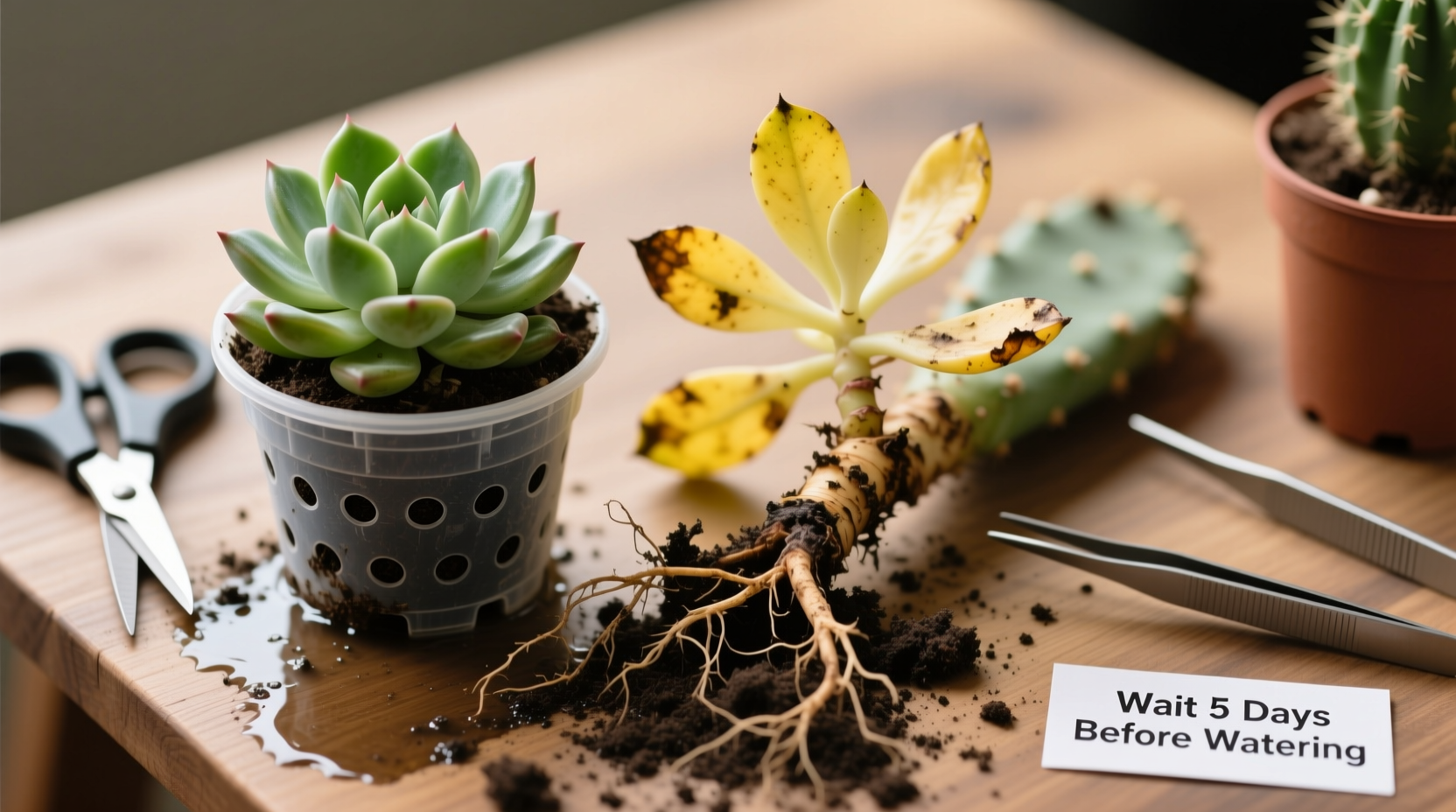
Yellow leaves on a succulent aren’t just an aesthetic issue—they’re a distress signal. Unlike other houseplants, succulents store water in their leaves, stems, and roots, making them highly sensitive to moisture imbalances. When these tissues absorb too much water, cells burst, leading to discoloration and softening. However, yellowing isn’t always due to overwatering. Other factors include:
- Overwatering: The most common culprit. Soggy soil leads to root rot, which prevents nutrient uptake.
- Poor drainage: Pots without drainage holes trap water, creating a drowning environment.
- Insufficient light: Lack of sunlight reduces photosynthesis, weakening the plant and causing pale, yellow foliage.
- Nutrient imbalance: Too much or too little fertilizer can trigger stress responses.
- Pests: Mealybugs, spider mites, or scale insects feed on sap, weakening the plant and altering leaf color.
- Temperature shock: Sudden cold drafts or heat exposure can damage cell structure.
Identifying the exact cause is essential before treatment begins. A misdiagnosis could worsen the problem—for example, increasing light when the plant is already sunburned.
Step-by-Step Revival Plan (7-Day Timeline)
Reviving a dying succulent requires prompt, structured intervention. Follow this daily action plan to stabilize and improve your plant’s condition within a week.
- Day 1: Assess and Isolate
Remove the succulent from its current location. Check for pests, smell the soil (musty odor indicates rot), and examine leaf texture. Isolate it from other plants to prevent pest spread.
- Day 2: Unpot and Inspect Roots
Carefully remove the plant from its pot. Shake off excess soil and inspect the roots. Healthy roots are firm and white; rotted ones are brown, black, or mushy. Trim damaged roots with sterilized scissors.
- Day 3: Let It Dry Out
Place the succulent in a shaded, well-ventilated area for 24–48 hours. This allows any remaining moisture to evaporate and wounds to callous over, reducing infection risk during repotting.
- Day 4: Repot in Fresh Medium
Use a clean pot with drainage holes. Fill it with a gritty succulent mix (see table below). Position the plant at the same depth as before, avoiding burying lower leaves.
- Day 5: First Controlled Watering
After repotting, wait 2–3 days before watering. Then, apply a small amount of water directly to the soil—never overhead. Use about 1/4 cup for a 4-inch pot.
- Days 6–7: Optimize Environment
Move the plant to a bright spot with indirect sunlight (e.g., east-facing window). Maintain temperatures between 65°F and 75°F (18°C–24°C). Monitor for new growth or further yellowing.
By day seven, you should notice firmer leaves, reduced yellowing, and signs of recovery such as plump new growth or stabilized color.
Essential Care Checklist for Recovery Success
To ensure every critical step is taken, follow this concise checklist:
- ✅ Remove plant from soggy soil
- ✅ Inspect and trim rotten roots
- ✅ Allow 24–48 hours of drying time
- ✅ Use a pot with drainage holes
- ✅ Plant in fast-draining succulent mix
- ✅ Place in bright, indirect light
- ✅ Water sparingly after 2–3 days post-repotting
- ✅ Avoid fertilizing during recovery
- ✅ Monitor daily for improvement or decline
Choosing the Right Soil and Pot: A Comparison
The right growing medium is crucial for recovery. Standard potting soil retains too much moisture, which suffocates succulent roots. Instead, use a blend designed for arid plants. Below is a comparison of common options:
| Soil Type | Drainage Quality | Best For | Avoid If |
|---|---|---|---|
| Mix of 2:1 perlite to potting soil | Excellent | Most indoor succulents | You forget to water occasionally |
| Pre-made cactus/succulent mix | Good | Beginners or quick fixes | It contains moisture-retaining gels |
| Pumice-only medium | Outstanding | Recovering rot-prone species (e.g., Echeveria) | Budget is limited (pumice is costly) |
| Standard potting soil | Poor | Moisture-loving plants | Never use for succulents |
Pot material also matters. Terracotta allows evaporation through its walls, reducing root saturation risk. Plastic retains moisture longer and is best avoided during recovery unless closely monitored.
Real Example: Saving a Fiddle Leaf Fig’s Succulent Companion
Sarah, a plant enthusiast in Portland, noticed her jade plant (Crassula ovata) developing yellow leaves after moving it near a humid bathroom window. Initially assuming it needed more water, she increased irrigation—only worsening the condition. After reading about overwatering symptoms, she followed the revival steps outlined here.
She unrooted the plant and found 60% of the roots were black and slimy. After trimming and drying, she repotted it in a terracotta pot with a perlite-rich mix. She placed it by an east-facing window and withheld water for three days. Within a week, the remaining leaves firmed up, and two weeks later, tiny pink shoots appeared at the base—clear signs of recovery.
Sarah’s experience underscores the importance of accurate diagnosis. Her instinct to water more nearly killed the plant; instead, drying and repotting saved it.
“Succulents don’t die from neglect—they die from too much love. Overwatering is the fastest way to kill them.” — Dr. Linda Harper, Botanist and Horticultural Consultant
Frequently Asked Questions
Can a succulent with all yellow leaves be saved?
Yes, if the stem and base remain firm and green. Even if all leaves have turned yellow and dropped, the plant may still regenerate from healthy tissue. Cut back any mushy sections, let it callous, and replant in dry, fresh soil. New growth often emerges within 10–14 days.
How often should I water a recovering succulent?
During recovery, water only once every 10–14 days, and only if the soil is completely dry. Use the “soak and dry” method: water thoroughly until it drains out the bottom, then wait until the soil is bone dry before repeating. Never let the plant sit in water.
Should I remove yellow leaves immediately?
Only remove leaves that are fully yellow, mushy, or falling off. Partially yellow leaves may still provide nutrients as they wither. Premature removal creates open wounds that can invite infection. Wait until the leaf detaches easily with a gentle tug.
Expert Tips for Long-Term Success
Once your succulent shows signs of recovery, shift focus to prevention. Long-term health depends on consistency, not heroics. Consider these expert-backed strategies:
- Use the “knuckle test”: Insert your finger into the soil up to the first knuckle. If it feels damp, wait to water.
- Rotate pots weekly: Ensures even light exposure and prevents leaning or lopsided growth.
- Seasonal adjustment: Reduce watering frequency in winter when growth slows. Many succulents enter dormancy and need minimal moisture.
- Avoid misting: Succulents do not benefit from leaf misting, which increases fungal risk. Water goes to the soil, not the air.
- Quarantine new plants: Keep new additions isolated for two weeks to monitor for pests before placing them near others.
Conclusion: Act Fast, Care Wisely
Reviving a dying succulent with yellow leaves is entirely possible—if you act quickly and correctly. The key lies in identifying the true cause, halting further damage, and providing optimal recovery conditions. Overwatering remains the biggest threat, but with proper soil, drainage, and restraint, most succulents bounce back within a week.
Your attention now can save a plant that might otherwise be discarded. More than that, each rescue builds your intuition as a caretaker. These resilient plants forgive mistakes when given a chance. Start today: unpot, assess, and give your succulent the dry, airy start it needs to thrive again.




 浙公网安备
33010002000092号
浙公网安备
33010002000092号 浙B2-20120091-4
Comments
No comments yet. Why don't you start the discussion?