
Liquid eyeliner is a staple in many makeup routines, delivering precision and bold definition that other formulas can't match. But few things are more frustrating than picking up your favorite liner only to find it clumpy, sluggish, or completely dried out. Before you toss it and reach for a new one, consider this: most dried liquid eyeliners can be revived with simple, accessible methods. With the right technique, you can restore flow, maintain pigment quality, and extend the life of your product—saving money and reducing waste.
Reviving a dried liner isn’t just about adding liquid—it’s about doing so safely and effectively without compromising hygiene or performance. This guide walks through proven techniques, dos and don’ts, and real-world tips to bring your liner back to life.
Understanding Why Liquid Eyeliner Dries Out
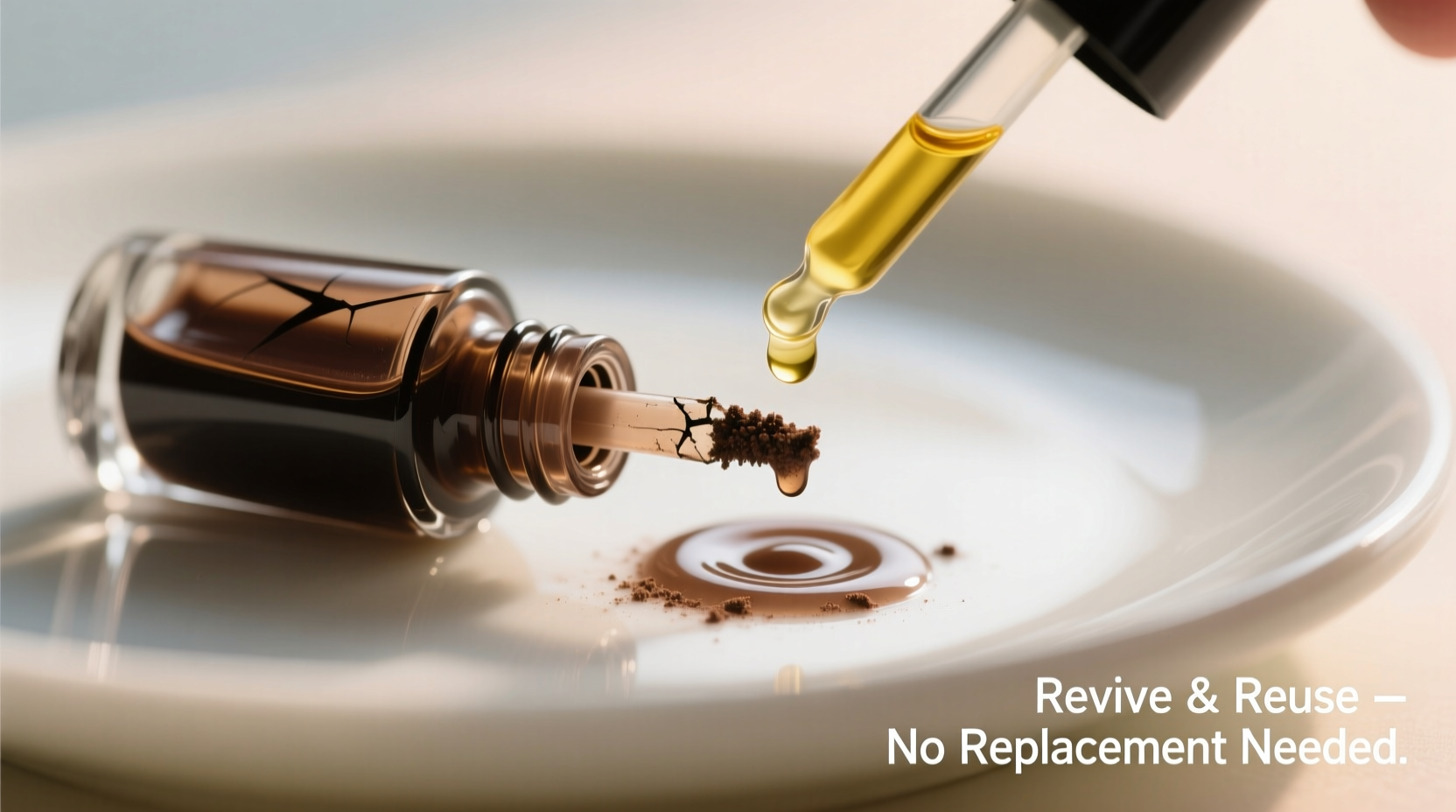
Liquid eyeliner dries primarily due to solvent evaporation. Most formulations contain water or alcohol-based carriers that keep pigments suspended and fluid. When exposed to air—even briefly—the solvents begin to evaporate, leaving behind thickened or hardened product. Common causes include:
- Leaving the cap off or not fully secured
- Infrequent use over time
- Poor storage (e.g., in hot or humid environments)
- Using old or expired products
The good news? The pigment often remains intact even when the formula thickens. That means revival is usually possible if the liner hasn’t been contaminated or degraded beyond recovery.
Step-by-Step Guide to Reviving Dried Liquid Eyeliner
Follow this structured process to safely revive your liner. These steps apply to both brush-tip and felt-tip applicators. Avoid metal-tipped liners with mechanical pumps unless specified, as they may require different handling.
- Assess the Condition: Shake the liner vigorously. If you hear liquid sloshing, it likely just needs thinning. If it’s silent and the tip is clogged, proceed with rehydration.
- Gather Supplies: You’ll need distilled water, saline solution, or specialized cosmetic drops (like contact lens solution), a clean dropper or syringe, and a small bowl of warm water.
- Warm the Liner: Place the sealed bottle in a bowl of warm (not boiling) water for 3–5 minutes. Heat helps loosen dried pigment and improves absorption of added liquid.
- Add Rehydrating Fluid: Using a dropper, add 1–2 drops of your chosen liquid into the liner reservoir. Do not overfill—excess liquid dilutes pigment and affects drying time.
- Shake Gently: Cap tightly and shake for 30 seconds. Let sit for 5–10 minutes to allow ingredients to blend.
- Test the Flow: Apply a small line on the back of your hand. If still too thick, repeat with one additional drop.
This method works best within 1–2 weeks of the liner drying out. The longer it sits unused, the harder full restoration becomes.
Best Liquids to Use for Revival
Not all liquids are safe for use in cosmetics. Some can introduce bacteria, degrade ingredients, or cause irritation. Below is a comparison of common options:
| Liquid Type | Safety | Effectiveness | Risk Level |
|---|---|---|---|
| Distilled Water | Moderate | High | Medium – may encourage microbial growth if stored long-term |
| Saline Solution (Sterile) | High | High | Low – ideal balance of safety and solvency |
| Contact Lens Solution | High | High | Low – contains mild preservatives |
| Isopropyl Alcohol (70%) | Low | Medium | High – can break down polymers and irritate eyes |
| Vodka or Rubbing Alcohol | Very Low | Low | Very High – unsafe for eye area |
For optimal results and safety, **sterile saline or contact lens solution** is the top choice. It mimics the pH and osmotic balance of ocular-safe products and includes preservatives that inhibit bacterial growth.
“Adding foreign substances to makeup always carries risk, but sterile ophthalmic solutions are among the safest options when used sparingly.” — Dr. Lena Patel, Cosmetic Formulation Scientist
Common Mistakes to Avoid
While reviving eyeliner seems straightforward, improper methods can ruin the product or pose health risks. Steer clear of these errors:
- Using tap water: Contains minerals and microbes that can cloud the formula or cause infections.
- Adding too much liquid: Dilutes pigment, weakens adhesion, and increases smudging.
- Using sharp objects to unclog the tip: Damages the applicator and introduces contaminants.
- Storing near heat sources: Bathrooms with frequent hot showers accelerate drying.
- Reviving expired liners (over 6–12 months past opening): Higher contamination risk and degraded ingredients.
Real Example: Reviving a Month-Old Felt-Tip Liner
Jamila, a freelance makeup artist, relied on a popular black felt-tip liner for her clients’ winged looks. After a busy week, she forgot to cap it properly and returned two weeks later to find the tip stiff and no ink flowing. Instead of discarding the $22 product, she followed a revival protocol:
- She placed the sealed liner in warm water for four minutes.
- Using a sterile dropper, she added one drop of contact lens solution into the reservoir.
- After shaking for 30 seconds, she let it rest for ten minutes.
- She tested on her hand—ink flowed smoothly with full opacity.
The liner performed like new for another five weeks. Jamila now keeps a small bottle of saline solution in her kit specifically for emergency liner repairs.
Alternative Methods and Their Limitations
Some online hacks suggest unconventional solutions. While creative, many lack scientific backing or safety testing.
- Eye Drops (Artificial Tears): May work temporarily but often contain lubricants that interfere with drying time.
- Hairspray or Makeup Setting Spray: High alcohol content can destabilize the formula and irritate eyes.
- Boiling the Liner: Extreme heat can warp plastic containers and degrade pigments.
- Breathing Into the Bottle: Moisture from breath introduces bacteria and is ineffective for deep rehydration.
Stick to controlled, sterile methods. The goal is restoration—not improvisation.
When Not to Revive a Liner
Revival isn’t always advisable. Discard your liner immediately if any of the following apply:
- Foul odor or cloudy appearance
- Signs of mold or floating particles
- It’s past the expiration date (usually 6 months after opening)
- You’ve experienced eye irritation after prior use
- The applicator is frayed or damaged beyond repair
Eye health should never be compromised for cost savings. Bacterial keratitis and allergic reactions are serious risks associated with contaminated eye products.
Prevention Tips to Extend Liner Life
Proper care prevents drying in the first place. Incorporate these habits into your routine:
- Wipe the tip gently after each use with a lint-free wipe.
- Clean the rim of the bottle periodically to prevent crust buildup.
- Avoid pumping the wand in and out, which draws in air and accelerates drying.
- Keep in a cool, dark drawer—away from bathroom humidity and sunlight.
- Use frequently. If you own multiple liners, rotate them to avoid long idle periods.
Checklist: How to Safely Revive Dried Liquid Eyeliner
Use this checklist before attempting revival:
- Confirm the liner hasn’t expired.
- Inspect for discoloration, smell, or particles.
- Gather sterile tools: dropper, saline solution, warm water.
- Warm the sealed bottle for 3–5 minutes.
- Add 1–2 drops of saline or contact solution.
- Shake well and wait 5–10 minutes.
- Test on skin—not near the eye initially.
- Discard if performance or safety is questionable.
FAQ
Can I use distilled water instead of saline?
Yes, but only if you plan to use the liner quickly. Distilled water lacks preservatives, increasing the risk of bacterial growth over time. Saline is safer for longer-term use.
How many times can I revive the same liner?
Typically once or twice. Each addition of liquid alters the chemical balance. After two revivals, performance decline is likely, and contamination risk rises.
Will reviving affect the liner’s staying power?
Potentially. Over-dilution can reduce adherence and smudge resistance. Add liquid sparingly and test wear time on your skin before important events.
Conclusion
Dried liquid eyeliner doesn’t have to mean the end of its life. With careful rehydration using sterile, eye-safe liquids, many liners can be restored to full functionality. The key is acting early, using proper techniques, and prioritizing hygiene. By understanding the science behind drying and applying smart revival methods, you can save money, reduce waste, and keep your favorite liners in rotation longer.
Makeup longevity starts with mindful maintenance. Whether you’re a daily wearer or occasional user, these strategies empower you to get the most from every product in your kit.




 浙公网安备
33010002000092号
浙公网安备
33010002000092号 浙B2-20120091-4
Comments
No comments yet. Why don't you start the discussion?