
Mascara is a staple in most makeup routines, enhancing lashes with volume, length, and definition. But few things are more frustrating than picking up your favorite tube only to find it dry, clumpy, or stiff. While the instinct might be to add a few drops of water to loosen it, doing so can introduce bacteria, compromise the formula, and increase the risk of eye infections. Fortunately, there are safer, smarter ways to revive dried out mascara without using water. These methods maintain product integrity, extend shelf life, and keep your eyes healthy.
Why You Should Never Add Water to Mascara
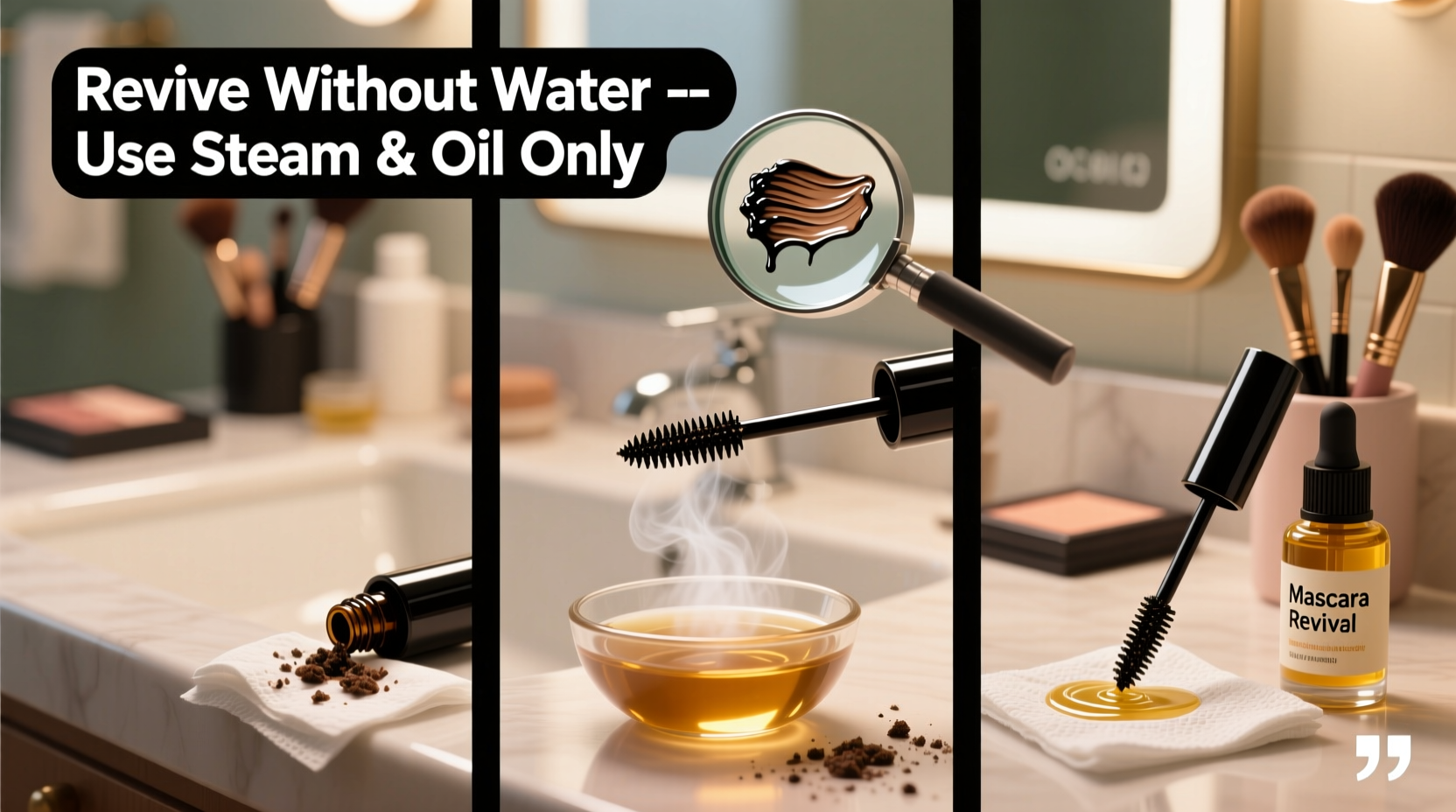
Adding water to dried mascara may seem like a quick fix, but it's one of the worst things you can do. Mascara tubes are designed to be sealed environments, minimizing bacterial growth. Once water enters the tube—even tap or distilled—it introduces microorganisms that thrive in moist conditions. The U.S. Food and Drug Administration (FDA) warns that sharing or contaminating eye cosmetics can lead to infections such as conjunctivitis, styes, or even corneal ulcers.
Beyond hygiene, water disrupts the carefully balanced emulsion of waxes, polymers, and pigments in mascara. This can cause separation, inconsistent texture, poor application, and flaking throughout the day. Instead of improving performance, watering down mascara often ruins it permanently.
Safe and Effective Methods to Revive Dried Mascara
Reviving dried mascara doesn’t require chemicals or risky shortcuts. With gentle techniques and common household items, you can restore function without compromising safety. Below are five proven, non-aqueous methods.
1. Use Warmth to Soften the Formula
Heat helps melt the hardened waxes in mascara without altering its chemical composition. The goal is gentle warming—not boiling or steaming directly into the tube.
- Fill a small bowl with hot (not boiling) water.
- Place the closed mascara tube upright in the bowl for 3–5 minutes.
- Remove, wipe dry, and test the wand inside. Avoid pumping it yet.
- If still stiff, repeat once more.
The warmth loosens the formula naturally, making it easier to apply. Do not submerge the tube or open it during this process.
2. Incorporate Natural Oils
Certain oils blend well with mascara’s oil-based components and help rehydrate the formula safely. The best options are lightweight, non-comedogenic, and safe near the eyes.
- Coconut oil: Antimicrobial and easily absorbed; use sparingly.
- Jojoba oil: Mimics natural sebum and integrates smoothly.
- Almond oil: Gentle and nourishing for lashes.
To use: Place one drop of oil on a clean spoolie or sterile dropper. Insert it into the tube without introducing air pockets. Close tightly and let sit for 10–15 minutes before testing. One drop is usually enough—adding too much can make the mascara runny or greasy.
3. Roll the Tube Between Your Palms
Friction generates heat, which softens the internal formula. Rolling the tube warms it gradually and evenly.
- Hold the closed tube between both palms.
- Rub back and forth rapidly for 30–60 seconds.
- Let it rest for a minute, then check consistency.
This method works best when combined with others—like prior warm water soaking—for maximum effect.
4. Use a Mascara Saver or Serum Additive
Some beauty brands sell “mascara savers” or conditioning boosters designed specifically to rejuvenate drying formulas. These contain preservatives and lash-nourishing ingredients like panthenol or peptides.
They’re formulated to mix safely with existing mascara, unlike DIY solutions. Follow the instructions on the product, typically involving a single drop added via sterile applicator.
5. Store Properly to Prevent Future Drying
Prevention is the best form of revival. Many mascaras dry prematurely due to improper storage.
| Do’s | Don’ts |
|---|---|
| Store vertically with the brush end up | Leave the cap off for extended periods |
| Keep in a cool, dry place away from sunlight | Keep in humid areas like bathrooms |
| Wipe excess product off the wand before closing | Pump the wand in and out to load more product |
| Replace every 3 months | Use past expiration or after eye infections |
“Mascara is the most perishable makeup product we use. Its moist, dark environment is ideal for bacterial growth. Revival methods should never compromise hygiene.” — Dr. Lena Patel, Ophthalmic Cosmetic Safety Researcher
Step-by-Step Guide: How to Safely Revive Dried Mascara
Follow this comprehensive sequence to maximize success while minimizing risk:
- Assess the condition: Is the mascara completely solid or just clumping? If it smells odd or shows discoloration, discard it immediately.
- Sanitize tools: Clean the outside of the tube with alcohol, and ensure any droppers or spoolies are sterile.
- Warm the tube: Soak in hot water for 3–5 minutes. Dry thoroughly.
- Add a drop of oil: Use jojoba or coconut oil. Insert carefully without aerating the formula.
- Roll between palms: Generate friction to distribute warmth and oil.
- Wait 10–15 minutes: Allow time for the formula to absorb the treatment.
- Test gently: Wipe excess on tissue and apply to lashes. If too thick, repeat step 3.
- Label and track: Note the date you revived it and use within 2 weeks.
This method preserves usability while prioritizing eye safety. Never force the wand in or out aggressively—that can damage bristles and introduce air.
Real Example: A Makeup Artist’s Experience
Jamila Reyes, a professional makeup artist based in Austin, TX, relies on high-end mascaras for her clients. During a busy wedding season, she noticed her go-to volumizing formula had thickened after two months of intermittent use. Instead of opening it to add water—a habit she’d seen assistants try—she opted for a controlled revival.
She placed the sealed tube in warm water for four minutes, then rolled it between her palms. After adding a single drop of jojoba oil using a sterilized pipette, she let it sit overnight. The next day, the mascara applied smoothly, with no flaking or odor. She used it for another three weeks before retiring it.
“I’ve learned the hard way,” Jamila says. “One client developed mild irritation after I used a revived-but-watered-down mascara. Now, I only use oil-based revival and always mark the tube with the revival date.”
Checklist: Safe Mascara Revival at a Glance
- ☑ Check expiration date – discard if older than 3 months
- ☑ Inspect for odor, mold, or strange color
- ☑ Sanitize the tube and tools
- ☑ Soak in warm (not boiling) water for 3–5 min
- ☑ Add one drop of jojoba, coconut, or almond oil
- ☑ Roll between palms to generate heat
- ☑ Wait 10–15 minutes before use
- ☑ Label with revival date and use within 14 days
- ☑ Discard if irritation occurs
Frequently Asked Questions
Can I use Vaseline to revive dried mascara?
No. Petroleum jelly is too thick and won’t mix with the mascara formula. It can also clog lash follicles and cause irritation if transferred to the eyelid margin. Stick to lightweight, natural oils instead.
How long will revived mascara last?
Even when successfully revived, the shelf life is shortened. Use within 10–14 days of treatment. Extended use increases contamination risk, especially if oils were added.
Is it safe to share revived mascara with someone else?
Absolutely not. Sharing any eye cosmetic—even revived—is a major risk for spreading bacteria and viruses like pink eye or staph. Each person should use their own tube, especially after modification.
Conclusion: Smart Care Extends Life Without Risk
Reviving dried out mascara without adding water is not only possible—it’s essential for maintaining eye health and product performance. By using warmth, natural oils, and proper handling techniques, you can breathe new life into a nearly finished tube without inviting contamination. These methods respect the science behind cosmetic formulations and align with dermatological and ophthalmological guidelines.
Remember, mascara is temporary. Most experts recommend replacing it every 90 days regardless of usage. But when you're caught off guard by a sudden dry-out, these safe strategies offer a practical, hygienic solution. Treat your eyes with the care they deserve—because beautiful lashes shouldn’t come at the cost of comfort or safety.




 浙公网安备
33010002000092号
浙公网安备
33010002000092号 浙B2-20120091-4
Comments
No comments yet. Why don't you start the discussion?