
Mascara is one of the most frequently used makeup products, yet it’s also among the quickest to dry out. The average tube lasts only three to six months before bacteria build-up or drying makes it unusable. Instead of tossing a half-full tube, many people wonder: can you bring dried mascara back to life? The answer is yes—safely and effectively—with the right techniques. This guide walks through proven, dermatologist-approved ways to rehydrate your mascara, avoid contamination risks, and extend the usability of your favorite formula.
Why Mascara Dries Out So Quickly
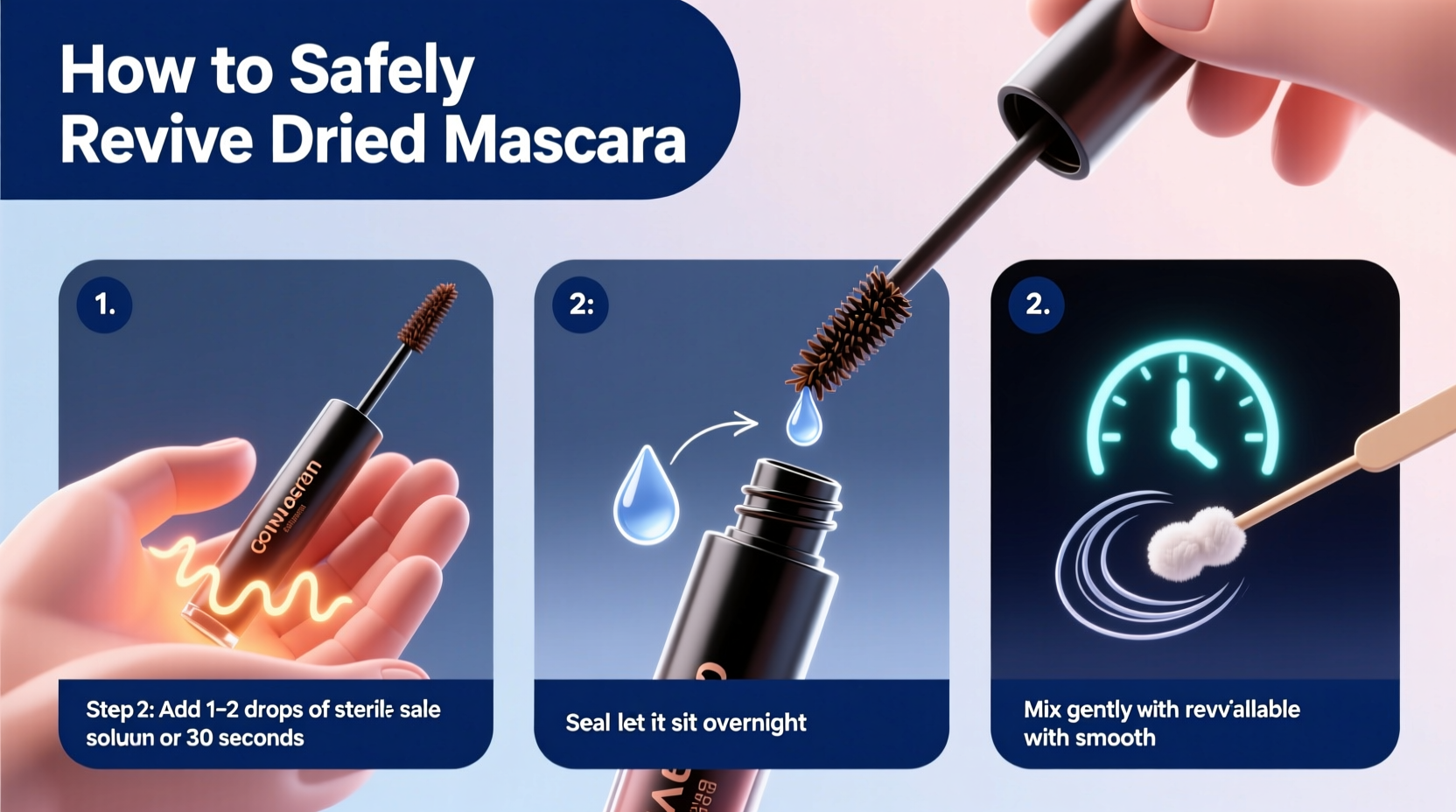
Mascara dries due to its unique formulation and exposure to air. Most mascaras contain water, waxes, pigments, and preservatives. When the tube is opened repeatedly, air enters and evaporates the liquid components. The wand introduces bacteria each time it’s pulled out and plunged back in, accelerating degradation. Over time, the product thickens, clumps form, and the brush becomes stiff.
Unlike other cosmetics, mascara has a short shelf life because its moist environment encourages microbial growth. The FDA recommends replacing mascara every three months, but if stored properly and revived correctly, some tubes can remain safe and usable beyond that window—provided they haven’t developed an odor, changed color, or caused irritation.
Safe Methods to Revive Dried Mascara
Reviving dried mascara isn't about adding just any liquid—it's about choosing ingredients that preserve the integrity of the formula while minimizing bacterial risk. Below are four safe, effective techniques backed by cosmetic chemists and beauty professionals.
1. Use Warm Water (Best for Mild Drying)
If your mascara has only slightly thickened, warm water can gently restore moisture. Do not use tap water directly; instead, boil it first to sterilize, then let it cool slightly.
- Boil distilled or filtered water for at least one minute.
- Let it cool to warm (not hot) temperature.
- Add 1–2 drops into the mascara tube using a clean dropper or sterile pipette.
- Screw the wand back in and roll the tube between your palms for 30 seconds to mix.
This method works best when the product hasn’t fully hardened. Avoid over-diluting, as too much water can break down emulsifiers and encourage mold.
2. Saline Solution (Ideal for Contact Lens Wearers)
Saline solution is sterile, pH-balanced, and free of preservatives that could react poorly with mascara. It’s a safer alternative to tap water and mimics the natural moisture balance of tears.
“Using saline solution is one of the safest options for rehydrating dried cosmetics like mascara, provided the product hasn’t been contaminated.” — Dr. Lena Patel, Cosmetic Chemist
To use:
- Add 2–3 drops of sterile saline solution to the tube.
- Seal tightly and shake gently for 20–30 seconds.
- Wait 5–10 minutes for absorption before testing.
Note: Never reuse saline from an opened bottle unless it’s unexpired and kept sealed.
3. Makeup Setting Spray (For Minimal Rehydration)
Some setting sprays contain hydrating agents and light solvents that can loosen dried formula without introducing harmful microbes. Choose alcohol-free, fragrance-free versions for best results.
Process:
- Spray a fine mist onto a clean spatula or microspatula.
- Insert the tool into the tube and stir gently to blend.
- Reinsert the wand and pump slowly to distribute moisture.
This method avoids adding liquid directly into the tube, reducing contamination risk. However, it’s less effective for severely dried products.
4. Eye Drop Solution (Use with Caution)
Lubricating eye drops (artificial tears) are sterile and ophthalmologically tested, making them a viable—but advanced—option. They contain hypromellose or glycerin, which help retain moisture.
Only use unmedicated, preservative-free single-use vials. Multi-dose bottles contain benzalkonium chloride, which may destabilize mascara.
| Method | Effectiveness | Bacterial Risk | Best For |
|---|---|---|---|
| Warm Boiled Water | Medium | Low (if sterilized) | Slightly thickened mascara |
| Saline Solution | High | Very Low | Most cases, especially sensitive eyes |
| Makeup Setting Spray | Low-Medium | Low | Quick touch-ups, minimal drying |
| Artificial Tears (Preservative-Free) | High | Low | Severe drying, contact lens wearers |
What Not to Do: Common Mistakes
While reviving mascara seems straightforward, certain practices increase health risks or ruin the product entirely.
- Don’t add saliva – Oral bacteria can introduce pathogens like streptococcus, leading to eye infections.
- Avoid baby oil or coconut oil – Oils separate from water-based formulas, create clumps, and may irritate eyes.
- Never blow into the tube – This forces bacteria-laden air deep into the product.
- Don’t store near heat sources – Bathrooms with hot showers accelerate drying and degradation.
- Skipping expiration dates – Even revived, mascara older than six months should be discarded.
“Adding anything non-sterile to mascara turns it into a petri dish. Stick to medically safe liquids only.” — Dr. Alicia Nguyen, Ophthalmologist
Step-by-Step Guide: How to Safely Revive Your Mascara
Follow this detailed timeline to restore your dried mascara safely and effectively.
- Day 0 – Assess the Condition
Check if the mascara is merely thick or completely hardened. Smell it—if there’s any sour or chemical odor, discard it immediately. - Day 0 – Gather Supplies
Prepare boiled cooled water or saline solution, a sterile dropper, gloves (optional), and clean tissues. - Day 0 – Add Liquid
Add 1–2 drops max. More isn’t better—over-dilution ruins texture and performance. - Day 0 – Mix Gently
Roll the closed tube between your hands for 30 seconds. Do not shake vigorously, as this introduces air bubbles. - Wait 10 Minutes
Allow time for the liquid to absorb into the dried cake at the bottom. - Test Application
Wipe excess off the wand and apply to lashes. If still too thick, repeat with one additional drop. - Ongoing – Monitor Daily
Use within 2–4 weeks after revival. Discard if you notice changes in smell, texture, or cause eye redness.
Mini Case Study: Reviving a Beloved Tube
Sophie, a makeup artist in Portland, noticed her favorite volumizing mascara had thickened after two months of intermittent use. She relied on it for client work and wasn’t ready to replace it. Following the saline method, she added three drops of sterile saline to the tube, rolled it gently, and waited ten minutes. The next morning, she tested it—smooth application, no clumping. She used it daily for three more weeks without issue. After five weeks post-revival, she detected a faint metallic smell and immediately discarded it. “It saved me $26 and reduced waste,” she said. “But I knew my limits—I never push past signs of spoilage.”
Prevention Tips: Extend Mascara Life from the Start
The best way to avoid dried mascara is prevention. Small habits make a big difference.
- Store mascara upright in a cool, dark place—avoid the bathroom if possible.
- Replace the cap immediately after use to limit air exposure.
- Never share mascara—even with family. One study found shared mascara increases infection risk by 70%.
- Clean the wand weekly with warm water and mild soap if buildup occurs.
- Keep a spare tube for backup during travel or emergencies.
FAQ: Common Questions About Reviving Mascara
Can I use micellar water to revive dried mascara?
No. Micellar water contains surfactants designed to remove makeup, not preserve it. Adding it can destabilize the formula and strip conditioning agents, leading to flaking and poor adhesion.
How long can I use revived mascara safely?
Up to four weeks after revival, provided it shows no signs of spoilage. Discard sooner if you experience stinging, redness, or blurred vision.
Is it safe to revive waterproof mascara?
Yes, but with caution. Waterproof formulas rely on stronger polymers and waxes. Use saline or artificial tears—not water—to maintain integrity. Avoid oil-based removers afterward, as they may degrade the refreshed formula.
Checklist: Safe Mascara Revival at a Glance
Use this quick-reference checklist before attempting revival:
- ☑ Check expiration date – discard if older than 6 months
- ☑ Inspect for odor, mold, or discoloration – toss if present
- ☑ Use only sterile liquids: saline, boiled-cooled water, or preservative-free eye drops
- ☑ Add 1–2 drops maximum
- ☑ Mix gently by rolling, not shaking
- ☑ Label tools for cosmetic-only use
- ☑ Monitor for irritation and discard after 4 weeks
Conclusion: Waste Less, Save More, Stay Safe
Reviving dried mascara isn’t just about saving a few dollars—it’s about reducing cosmetic waste and making mindful choices. With proper technique, you can safely extend the life of a partially used tube without compromising eye health. The key lies in sterility, moderation, and vigilance. By understanding what causes drying, avoiding dangerous shortcuts, and applying science-backed methods, you take control of your beauty routine in a smarter, more sustainable way.




 浙公网安备
33010002000092号
浙公网安备
33010002000092号 浙B2-20120091-4
Comments
No comments yet. Why don't you start the discussion?