
Lip balm is a staple in purses, pockets, and nightstands for good reason—it provides essential moisture when lips are chapped, cracked, or exposed to harsh weather. But over time, even unopened tubes can dry out. The once-smooth formula hardens, becomes crumbly, or loses its glide. Rather than tossing it, consider this: most dry lip balms can be revived with everyday tools and a little patience. With the right approach, you can restore functionality, extend product life, and avoid unnecessary waste. This guide walks through proven methods to bring your dried-out lip balm back to life—without buying a new one.
Why Lip Balm Dries Out
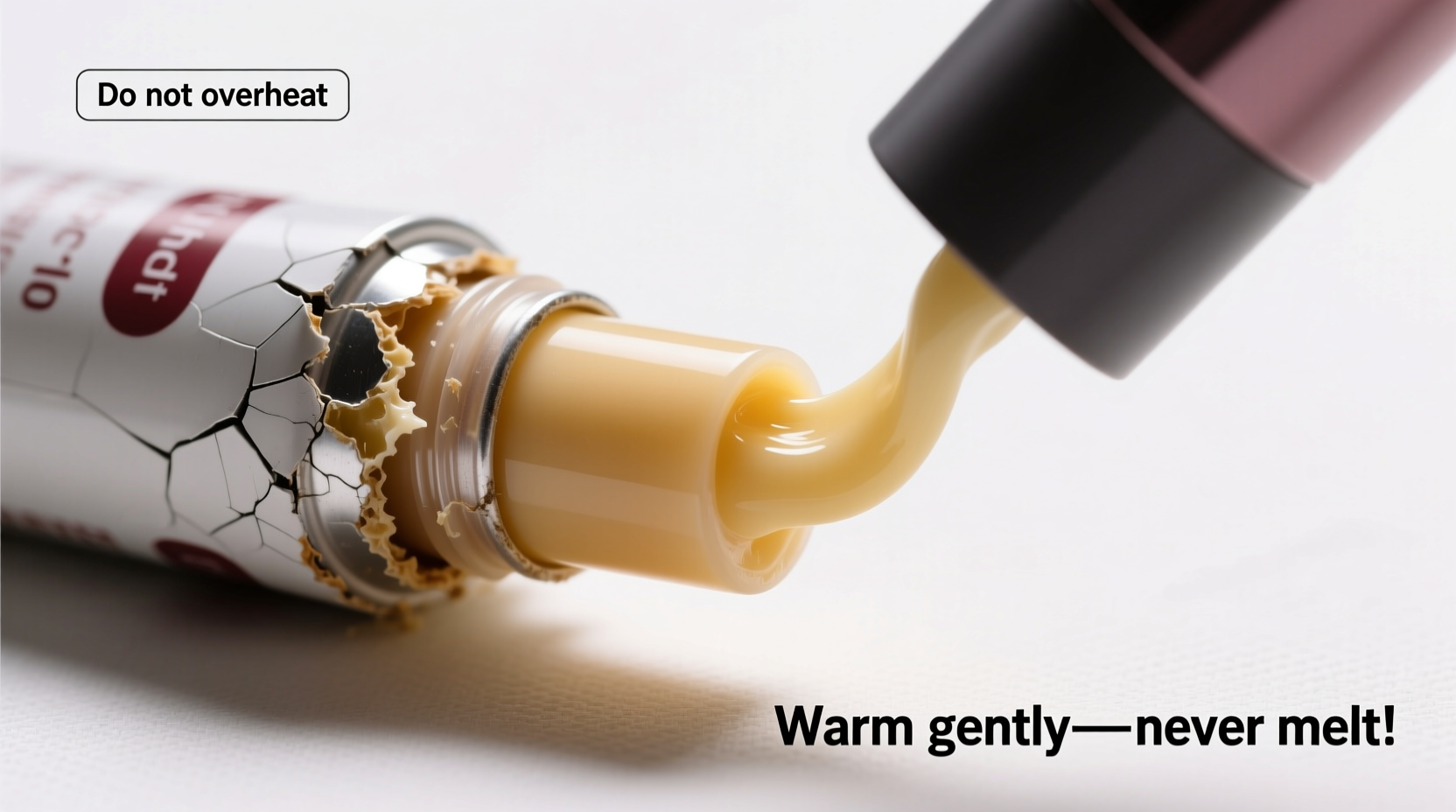
Lip balm doesn’t last forever. Even if the expiration date hasn’t passed, environmental factors and ingredient composition play a major role in how quickly it degrades. Most traditional lip balms contain a blend of waxes (like beeswax or carnauba), oils (such as coconut or jojoba), and butters (like shea or cocoa). When exposed to air, heat, or light, these ingredients can separate or evaporate, leaving behind a stiff, brittle residue.
Common causes of drying include:
- Air exposure: Repeated opening and closing introduces oxygen, accelerating oxidation of oils.
- Heat fluctuations: Leaving lip balm in a hot car or near a heater melts and re-hardens the wax, altering texture.
- Poor sealing: Cracked caps or worn-down tubes allow moisture to escape.
- Low oil-to-wax ratio: Some formulas are naturally firmer and more prone to drying.
Understanding these triggers helps prevent future issues—but if your current tube is already compromised, don’t give up on it yet.
Revival Method 1: The Warm Water Soak
This is the gentlest and most accessible method for softening hardened lip balm. It works by slowly warming the internal components without damaging their structure.
- Boil a cup of water and let it cool slightly (just under boiling point).
- Place the lip balm tube upright in a small heat-safe container.
- Pour the hot water around the outside of the tube—do not submerge the top where the balm dispenses.
- Let it sit for 3–5 minutes. Check periodically by gently twisting up the base.
- Once softened, wipe dry and use immediately or let cool upright to reset the texture.
This method is ideal for balms that have only partially dried. It redistributes oils and temporarily restores smoothness. However, repeated soaking may weaken the tube’s integrity over time.
Revival Method 2: Internal Heating with a Hairdryer
When warm water isn’t enough, controlled heat from a hairdryer can penetrate deeper into the core of the balm.
Follow these steps carefully:
- Remove the cap and ensure the balm is twisted all the way up so the surface is exposed.
- Set your hairdryer to low heat (no higher than medium).
- Hold it 6–8 inches from the balm and move in circular motions for 20–30 seconds.
- Stop frequently to check consistency. You want it soft, not melted.
- If melting occurs, place the tube in the refrigerator for 5–10 minutes to re-solidify evenly.
This technique works best for fully hardened balms with no remaining glide. The heat helps re-emulsify separated oils and waxes, restoring spreadability.
Revival Method 3: Oil Infusion for Deep Moisture Restoration
Sometimes, drying isn’t just about texture—it’s about lost moisture. If your balm feels chalky or pulls on your lips, it may need additional oils to replenish what’s gone.
You can safely add a few drops of natural oil directly into the tube:
- Jojoba oil (mimics skin’s sebum)
- Coconut oil (deeply moisturizing)
- Almond oil (lightweight and nourishing)
- Vitamin E oil (antioxidant-rich)
- Use a clean needle or pin to gently poke 2–3 small holes into the surface of the dry balm.
- Add 1–2 drops of your chosen oil per hole.
- Twist the balm down slightly, then back up to help distribute the oil.
- Let it sit overnight at room temperature or use the warm water method to blend.
The infused oil migrates through the balm, softening it from within. This method not only improves texture but also boosts hydration power.
“Adding a drop of jojoba oil to dried lip products can reactivate their emollient properties without compromising safety.” — Dr. Lena Torres, Cosmetic Chemist & Skincare Formulator
Comparing Revival Methods: Which One Works Best?
| Method | Best For | Speed | Risk Level | Longevity of Fix |
|---|---|---|---|---|
| Warm Water Soak | Slightly hardened balm | Fast (3–5 min) | Low | Short-term (1–2 uses) |
| Hairdryer Heat | Fully dried, dense balm | Medium (1–2 min) | Moderate (overheating risk) | Medium (several uses) |
| Oil Infusion | Crumbly, chalky, or flaky balm | Slow (overnight absorption) | Low (if using clean tools) | Long-term (weeks) |
| Freeze & Reset | Melted or separated balm | Slow (1–2 hours) | Low | Medium (restores original form) |
| Full Melt & Repour | Any severely degraded balm | Medium (10–15 min active) | High (requires transfer) | Long-term (new usable product) |
Choose your method based on the condition of your balm and how long you want the fix to last. For example, if you're reviving an expensive organic balm, oil infusion offers lasting results. For a quick fix before heading out, warm water suffices.
Advanced Option: Full Melt and Repurpose
If your lip balm is beyond saving in its current tube—or if the mechanism is broken—you can extract and repurpose it entirely.
- Twist the balm all the way up and use a clean butter knife or spoon to scrape it out into a small heat-safe bowl.
- Add 1–2 drops of carrier oil and a tiny pinch of vitamin E powder (optional antioxidant boost).
- Place the bowl in a saucepan with 1 inch of simmering water (double boiler method).
- Stir gently until fully melted and blended.
- Pour into a clean tin, jar, or empty chapstick container.
- Let cool completely (about 1 hour) before use.
This method gives you full control over texture and usability. You can even combine remnants from multiple dry balms into one potent multi-benefit product. Just ensure all tools and containers are sanitized first.
Mini Case Study: Reviving a Winter-Weather Casualty
Sophie, a nurse in Minnesota, kept her favorite lavender-scented lip balm in her coat pocket all winter. By March, it had turned into a pale, crumbly stick that barely dispensed. She tried applying it directly, but it tugged painfully at her already-chapped lips.
Instead of replacing it, she used the oil infusion method. She added two drops of jojoba oil into the surface, twisted the balm up and down several times, and left it overnight. The next morning, she warmed it briefly with a hairdryer and found the texture significantly smoother. Over the next week, she continued using it daily with no irritation—and it lasted another three weeks before running out.
“I didn’t think it could come back,” she said. “But now I save every old tube and try reviving them first.”
Checklist: How to Successfully Revive Dry Lip Balm
Before you begin, gather your supplies and follow this step-by-step checklist:
- ☐ Identify the type of drying (hardened, crumbly, melted, separated)
- ☐ Choose the appropriate revival method from the table above
- ☐ Gather tools: hot water, hairdryer, carrier oil, clean needle, small bowl
- ☐ Sanitize any tools or containers that will touch the balm
- ☐ Apply heat or oil gradually—avoid rushing the process
- ☐ Test texture after treatment before full application
- ☐ Store revived balm properly to extend its second life
- ☐ Label repurposed containers if transferring
Following this checklist ensures safety, effectiveness, and maximizes the lifespan of your product.
Frequently Asked Questions
Can I use microwaved water for the soak method?
Yes, but let it sit for 30 seconds after heating to avoid sudden temperature shock to the tube. Microwaved water can create uneven hot spots, so stir it first and test the warmth with your finger.
Will adding oil change the flavor or scent of my lip balm?
Pure, unscented oils like jojoba or almond have minimal aroma and won’t overpower most formulations. However, coconut oil has a mild tropical scent. If you’re sensitive to smell changes, use odorless options like fractionated coconut oil or squalane.
Is it safe to reuse a lip balm tube after cleaning?
Yes, if thoroughly cleaned. Disassemble the tube (if possible), wash with warm soapy water, rinse well, and air-dry completely. For added sanitation, wipe interior parts with rubbing alcohol on a cotton swab and let evaporate before refilling.
Preventing Future Drying: Smart Storage Tips
Revival is useful, but prevention saves time and effort. Extend the shelf life of your lip balm with these habits:
- Keep it capped: Always screw the lid back on tightly after use.
- Avoid extreme temps: Don’t leave it in cars, near radiators, or on sunny windowsills.
- Limit exposure: Minimize how often you open and close it unnecessarily.
- Rotate stock: Use older balms first; don’t hoard expired ones.
- Store vertically: Keep the applicator side up to prevent settling and leakage.
Consider keeping one tube at home and a fresh one on-the-go to reduce wear and tear on a single product.
Conclusion: Give Old Lip Balm a Second Life
Dry lip balm doesn’t mean wasted lip balm. With simple household tools and a few clever techniques, you can restore function, comfort, and value to a product you thought was done. Whether you opt for a quick warm-water revive or a full melt-and-reform project, these methods empower smarter beauty habits—reducing waste, saving money, and making the most of what you already own.




 浙公网安备
33010002000092号
浙公网安备
33010002000092号 浙B2-20120091-4
Comments
No comments yet. Why don't you start the discussion?