
Dry shampoo is a modern haircare essential—especially for those with busy schedules or oily scalps. It extends the life of your blowout, absorbs excess sebum, and adds volume. But over time, repeated use can lead to buildup: a chalky, dull residue that clings to strands and scalp. The good news? You don’t need to wash your hair every few days to reset it. With the right techniques, you can effectively revive dry shampoo’s benefits while preventing or removing residue between washes.
This guide walks through proven strategies to keep your hair looking freshly styled—without the gritty aftermath. From application adjustments to physical removal methods and scalp maintenance, you’ll learn how to extend your style safely and cleanly.
Understanding Dry Shampoo Buildup
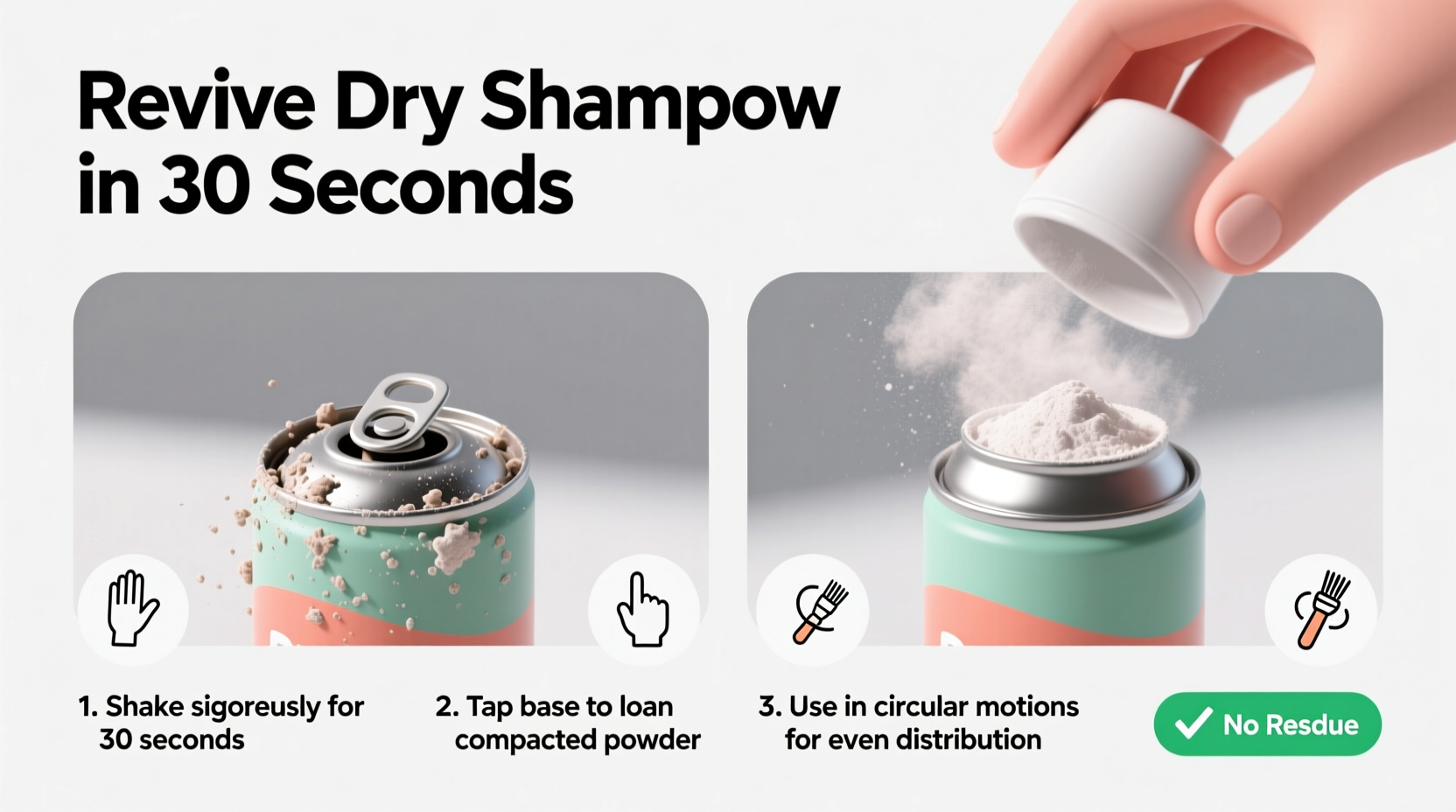
Dry shampoo works by absorbing oil using starch-based or alcohol-driven formulas. While effective in the short term, these ingredients don’t vanish—they accumulate. Over several applications, powders mix with dead skin cells, natural oils, and styling products, forming a layer that dulls shine and weighs down hair.
The most common signs of buildup include:
- A white or grayish film on dark hair
- Itchy or flaky scalp
- Flat, lifeless roots despite product use
- Tactile grittiness when running fingers through hair
Many assume washing is the only solution. However, frequent shampooing strips natural oils, prompting the scalp to overproduce sebum—leading to a cycle of dependency on dry shampoo. Breaking this loop requires smarter in-between care.
“Residue isn’t just cosmetic—it can clog follicles and contribute to scalp inflammation if left unchecked.” — Dr. Lena Torres, Trichologist & Hair Health Specialist
Adjust Your Application Technique
How you apply dry shampoo significantly impacts residue formation. Most people spray too close, use too much, or skip blending—setting the stage for accumulation.
Mist from a Distance
Hold the can 8–10 inches from your scalp. This allows the propellant to disperse evenly and prevents concentrated deposits. Close-range spraying creates clumps that harden into visible flakes.
Target Oily Zones Only
Focus on areas prone to greasiness: the crown, part line, and hairline. Avoid coating already-dry ends. These zones lack oil-absorbing needs and will only collect unnecessary powder.
Let It Set, Then Massage Thoroughly
After spraying, wait 30–60 seconds for absorption. Then, use fingertips—not nails—to massage the product into the scalp. This breaks up particles and integrates them naturally into hair. For long hair, flip your head upside down during massage to reach hidden layers.
Midweek Residue Removal Methods
Even with proper use, some buildup is inevitable after 2–3 applications. Instead of jumping straight to shampoo, try these gentle, non-rinse techniques to refresh your hair and clear residue.
1. Brush It Out
A quality bristle brush is one of the most underrated tools for managing dry shampoo. Natural boar bristles are slightly porous and attract oils and powders alike.
How to do it:
- Start at the nape of your neck and work upward.
- Use slow, deliberate strokes—about 50 passes per section.
- Pay extra attention to the crown and part line.
The brushing motion lifts residue from the scalp and redistributes any remaining oils, restoring shine and volume. Do this daily, especially before reapplying dry shampoo.
2. Steam Loosening (No Water Needed)
Heat and moisture help break down stubborn residue. You don’t need a full shower—just a small amount of steam.
Try this quick method:
- Boil water and pour into a large bowl.
- Add a few drops of tea tree or rosemary essential oil (optional).
- Lean over the bowl with a towel draped over your head for 3–5 minutes.
The steam softens dried product, making it easier to brush out. Follow immediately with brushing for best results.
3. Scalp Exfoliation with a Soft Cloth
Just as facial scrubs remove dead skin, gentle scalp exfoliation clears away dry shampoo remnants.
Use a microfiber towel or soft cotton washcloth. After brushing, rub small circles along your part and hairline. You’ll notice fine particles transferring to the fabric. This takes less than two minutes and dramatically improves texture.
Best Practices: Do’s and Don’ts
| Do | Don’t |
|---|---|
| Apply dry shampoo before bed to let it absorb overnight | Spray directly onto the same spot repeatedly |
| Brush thoroughly after each use | Use more than 4–5 second bursts per session |
| Choose formulas with rice starch or oat extract (gentler on scalp) | Leave dry shampoo in for more than 3 days without cleaning |
| Refresh with texturizing spray instead of reapplying dry shampoo | Combine multiple aerosol products (e.g., dry shampoo + hairspray) without cleansing in between |
Real-Life Example: Reviving a Weekend Blowout
Sophia, a marketing executive, gets her hair professionally styled every Friday for weekend events. She relies on dry shampoo to maintain volume through Sunday. By Saturday evening, her roots felt heavy and looked dusty—especially along her deep side part.
Instead of washing, she followed a residue revival routine:
- She brushed her hair for two minutes using a boar bristle paddle brush.
- She held her head over a bowl of steaming water for four minutes.
- She gently rubbed her scalp with a microfiber cloth, focusing on the part.
- She flipped her hair and sprayed a light mist of sea salt spray at the roots for lift—no additional dry shampoo.
The result? Her blowout regained volume and looked freshly styled. She extended her wash-free streak to four days without irritation or visible buildup.
Step-by-Step Guide: Weekly Dry Shampoo Maintenance Routine
To prevent residue while maximizing dry shampoo benefits, follow this weekly timeline:
Day 1: Initial Application
After washing and styling, apply dry shampoo lightly at the roots. Let sit for one minute, then brush through.
Day 2: Refresh & Distribute
Massage scalp with fingertips. Use a texturizing spray if hair feels flat. Avoid reapplying dry shampoo unless absolutely necessary.
Day 3: Residue Check & Removal
- Inspect part lines and crown under natural light.
- If residue is present, brush thoroughly.
- Steam for 3–5 minutes, then brush again.
- Wipe scalp gently with a damp (not wet) microfiber cloth.
Day 4: Reset or Wash
Either perform a co-wash (conditioner-only cleanse) or proceed with a full shampoo. Use a clarifying shampoo every second or third wash to dissolve lingering buildup.
Ongoing: Rotate Products
Alternate between aerosol and powder dry shampoos. Powders tend to be less build-up-prone when applied sparingly with a makeup brush.
Frequently Asked Questions
Can I use dry shampoo every day?
Yes, but not without maintenance. Daily use is acceptable if you incorporate brushing, steaming, and periodic scalp cleansing. Limit direct sprays to 2–3 times per week and use alternative refreshers (like texturizing sprays) on off days.
Does dry shampoo cause hair loss?
Not directly. However, prolonged buildup can block hair follicles and irritate the scalp, potentially contributing to shedding. Regular cleansing and scalp exfoliation mitigate this risk.
Are there residue-free dry shampoos?
No product is entirely residue-free, but some leave less behind. Look for formulas labeled “invisible,” “weightless,” or “for frequent use.” Brands like Klorane (with oat milk) and Living Proof (with patented oil-absorbing technology) are known for cleaner finishes.
Checklist: Keep Your Dry Shampoo Clean & Effective
- ☑ Apply 8–10 inches from scalp
- ☑ Focus only on oily areas (crown, part, temples)
- ☑ Wait 60 seconds before massaging in
- ☑ Brush hair daily with boar bristle brush
- ☑ Steam and wipe scalp every 3rd day
- ☑ Use clarifying shampoo once a week
- ☑ Alternate dry shampoo types (aerosol vs. powder)
- ☑ Replace old cans—expired formulas lose efficacy and may clump
Conclusion: Smarter Haircare Starts Between Washes
Reviving dry shampoo between washes isn’t about adding more product—it’s about clearing what’s already there. Residue doesn’t have to mean surrendering to the shower. With mindful application, regular brushing, and simple at-home techniques, you can maintain fresh, voluminous hair without compromising scalp health.
The goal isn’t to eliminate dry shampoo, but to use it intelligently. Think of it as a temporary aid, not a permanent substitute for cleansing. When you treat it as part of a broader haircare rhythm—rather than a quick fix—you preserve both your style and your hair’s integrity.




 浙公网安备
33010002000092号
浙公网安备
33010002000092号 浙B2-20120091-4
Comments
No comments yet. Why don't you start the discussion?