
Dry shampoo is a staple in modern haircare routines—offering quick refreshment, added texture, and instant volume between washes. But over time, even the best formulas can degrade: clogged nozzles, uneven spray patterns, or thickened contents reduce effectiveness. Worse, improper use leads to scalp buildup that dulls hair and weakens roots. The good news? Most underperforming dry shampoos aren’t dead—they’re just dormant. With the right techniques, you can revive them for peak performance while avoiding residue accumulation. This guide reveals science-backed strategies to restore your dry shampoo’s power, maintain scalp health, and get the lift you want—without the gunk.
Why Dry Shampoo Fails: Understanding the Causes
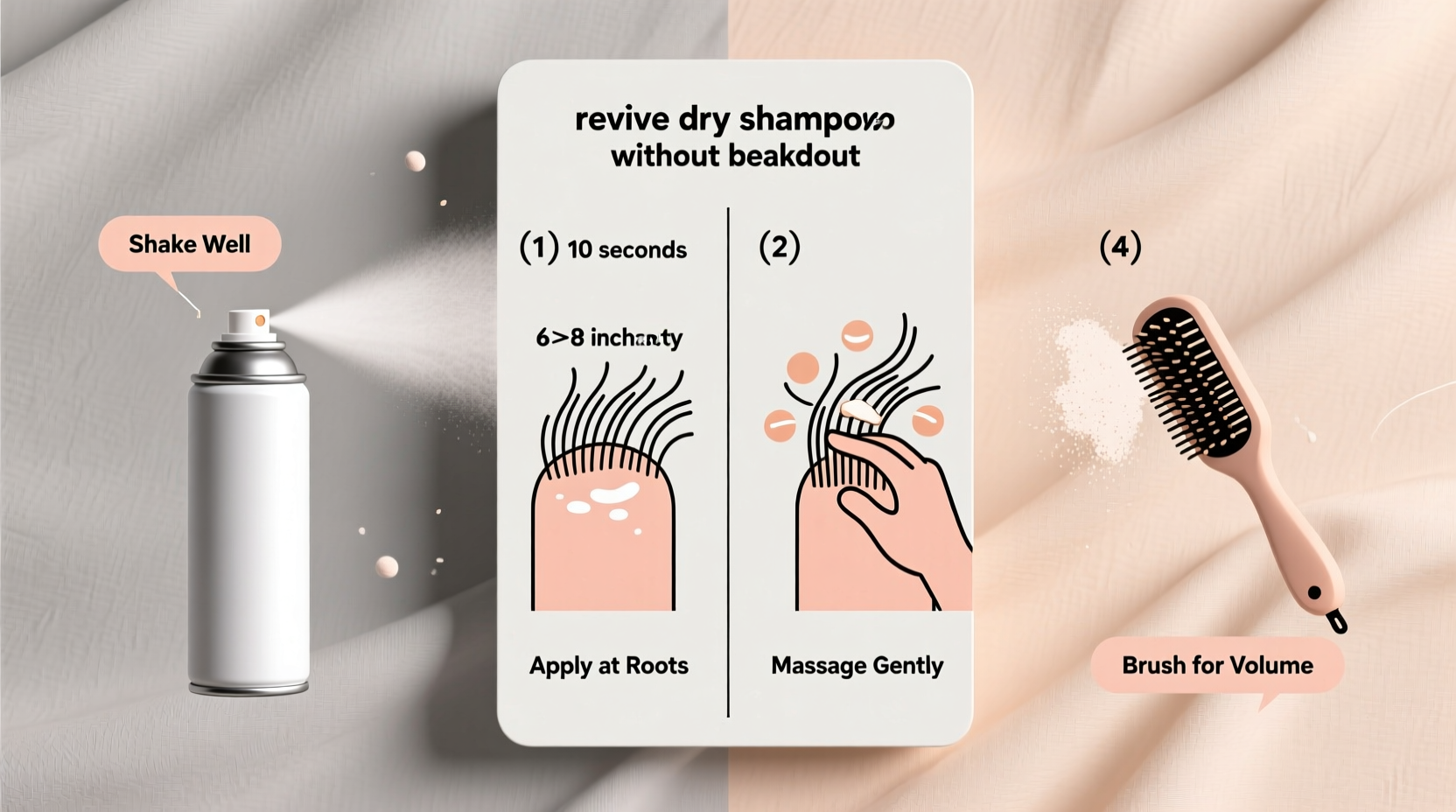
Dry shampoo doesn’t expire solely due to age. Its decline often stems from mechanical or environmental factors that compromise delivery and absorption. Recognizing these root causes is the first step toward revival.
- Nozzle clogging: Alcohol-based propellants evaporate, leaving behind sticky residues that block the spray mechanism.
- Sedimentation: Active ingredients like rice starch or kaolin clay settle at the bottom, especially if the bottle isn’t shaken regularly.
- Temperature exposure: Heat expands internal pressure; cold thickens formulations. Both disrupt consistency.
- Improper application: Overuse or incorrect distance creates white cast and layering on the scalp.
- Formula degradation: Natural variants (especially non-aerosol sprays) may separate or oxidize when exposed to air over time.
When any of these occur, the result is the same: flat roots, greasy patches beneath powder layers, and lackluster texture. But before discarding a half-full bottle, consider whether it can be restored—not replaced.
Step-by-Step Guide to Revive a Clogged or Weak Spray Nozzle
The most common reason dry shampoo “dies” is a blocked nozzle. Aerosol mechanisms are precise but fragile. A simple cleaning routine can restore full function in minutes.
- Remove the nozzle cap gently by pulling it straight off. Avoid twisting, which can damage internal seals.
- Rinse under warm water for 30–60 seconds. Let the flow dislodge dried particles. For stubborn clogs, soak the nozzle in warm water for 5 minutes.
- Use a pin or needle to clear the central aperture carefully. Do not force it—gentle probing removes obstructions without warping the opening.
- Clean the actuator stem (the part attached to the can) with a cotton swab dipped in rubbing alcohol. This disinfects and dissolves oily residue.
- Reattach the nozzle only after all parts are completely dry. Moisture inside can reactivate powders prematurely.
- Test spray onto a paper towel from 6 inches away. If the mist is fine and uniform, the repair succeeded.
If the spray remains spotty or sputters, repeat the process with isopropyl alcohol instead of water. Alcohol breaks down waxy binders more effectively than H₂O.
“Over 70% of ‘dead’ dry shampoos still have functional product inside—the issue is almost always delivery failure.” — Dr. Lena Patel, Cosmetic Chemist & Formulation Specialist
Restoring Formula Consistency and Absorption Power
Even with a working nozzle, poor shake habits lead to inconsistent results. Starch-heavy formulas sink to the bottom, leaving mostly propellant at the top. Here's how to re-emulsify and maximize efficacy.
Warm Water Bath Method
For bottles that feel heavy at the base or dispense clumpy powder:
- Fill a bowl with warm (not boiling) water—around 100°F (38°C).
- Submerge the sealed can upright for 3–5 minutes. This softens settled ingredients.
- Remove and shake vigorously for 20 seconds. Repeat if necessary.
- Test spray. The output should feel lighter and distribute more evenly.
This method works particularly well for natural or organic dry shampoos that lack synthetic stabilizers.
Manual Mixing (Non-Aerosol Bottles)
Pump or roll-on dry shampoos don’t rely on gas pressure, so they’re prone to phase separation. To remix:
- Invert the bottle and tap the base to loosen sediment.
- Roll between palms to generate warmth and fluidity.
- Apply sparingly with fingertips, massaging into roots rather than spraying.
These formats require more effort but allow greater control over application—and less risk of inhalation.
Preventing Buildup While Maximizing Volume
Revival is only half the battle. Without proper usage habits, even a perfectly cleaned bottle will contribute to scalp congestion. Buildup manifests as itchiness, flaking, reduced hair growth, and flatness despite frequent use. The key is strategic application and regular cleansing.
Do’s and Don’ts of Dry Shampoo Application
| Do | Avoid |
|---|---|
| Section hair and apply directly to roots | Spraying over entire lengths |
| Hold 6–8 inches from scalp | Pressing nozzle too close (causes clumping) |
| Wait 30 seconds before massaging in | Brushing immediately after spraying |
| Lift sections to target crown and nape | Focusing only on visible top layers |
| Use 2–3 short bursts per section | Continuous spraying for more than 2 seconds |
Limit usage to two consecutive days max. On day three, wash thoroughly with a clarifying shampoo to remove accumulated residue. Skipping this step invites long-term buildup.
Mini Case Study: Reviving a 6-Month-Old Bottle
Sophia, a freelance designer in Portland, relied on a popular aerosol dry shampoo to manage her fine, straight hair during back-to-back client calls. After six months, she noticed the spray sputtered, left white flakes, and failed to add volume. Assuming it was expired, she nearly tossed it—until trying the revival steps outlined here.
She removed the nozzle and soaked it in warm water, then used a sewing needle to clear the tip. After drying, she submerged the can in a warm bath for four minutes and shook aggressively. The first test spray produced a smooth mist. Applied correctly—sectioned, held at distance, massaged in after waiting—her hair regained bounce and freshness.
She now cleans the nozzle monthly and uses a weekly clarifying shampoo. Six weeks later, the same bottle performs like new, saving her $22 and reducing waste.
Expert-Backed Checklist for Long-Term Dry Shampoo Success
To keep your dry shampoo effective and your scalp healthy, follow this maintenance checklist every 2–4 weeks:
- ✅ Clean nozzle with warm water or alcohol soak
- ✅ Inspect spray pattern on tissue before use
- ✅ Shake bottle thoroughly before every application
- ✅ Store upright in a cool, dark place (not the bathroom)
- ✅ Limit consecutive use to 2 days
- ✅ Wash hair with clarifying shampoo weekly
- ✅ Rotate products every 3 months to prevent ingredient overload
Consistency here prevents both mechanical failure and biological consequences like folliculitis or sebum imbalance.
Frequently Asked Questions
Can I add water or alcohol to my dry shampoo to thin it out?
No. Introducing liquids into an aerosol can compromises pressure integrity and risks explosion. For non-aerosol types, dilution alters pH and preservation, potentially causing microbial growth. Stick to external cleaning and thermal revival methods instead.
How do I know if my dry shampoo has truly expired?
Check the PAO (Period After Opening) symbol—usually a jar icon with “12M” or “24M.” Beyond that window, efficacy drops. Signs include foul odor, severe clumping, or clear liquid leaking. When in doubt, replace it.
Is it safe to use a revived dry shampoo every day?
No. Daily use—even with a fully functional product—leads to buildup. The scalp needs regular cleansing to stay balanced. Use dry shampoo as a supplement, not a substitute, for washing.
Conclusion: Smarter Haircare Starts with Maintenance
Reviving a dry shampoo isn’t about hacking chemistry—it’s about understanding mechanics and respecting formulation limits. With simple tools and disciplined habits, you can restore performance, enhance volume, and protect your scalp from unnecessary residue. These practices also promote sustainability, reducing single-use waste and stretching product value. Don’t throw it out at the first sign of trouble. Clean it, recalibrate your technique, and give it another chance.




 浙公网安备
33010002000092号
浙公网安备
33010002000092号 浙B2-20120091-4
Comments
No comments yet. Why don't you start the discussion?