
Roasting garlic is often associated with entire bulbs transformed into soft, caramelized spreads. But what if you only need one clove? Many home cooks assume roasting a single clove isn’t worth the effort—or even possible—but this small technique unlocks deep umami richness in dishes where raw garlic would be too sharp or harsh. Whether you're enriching a pan sauce, blending into dressings, or enhancing a vegetarian pâté, a properly roasted single clove adds complexity without overpowering. Mastering this micro-technique elevates everyday cooking with precision and economy, minimizing waste while maximizing flavor.
Definition & Overview
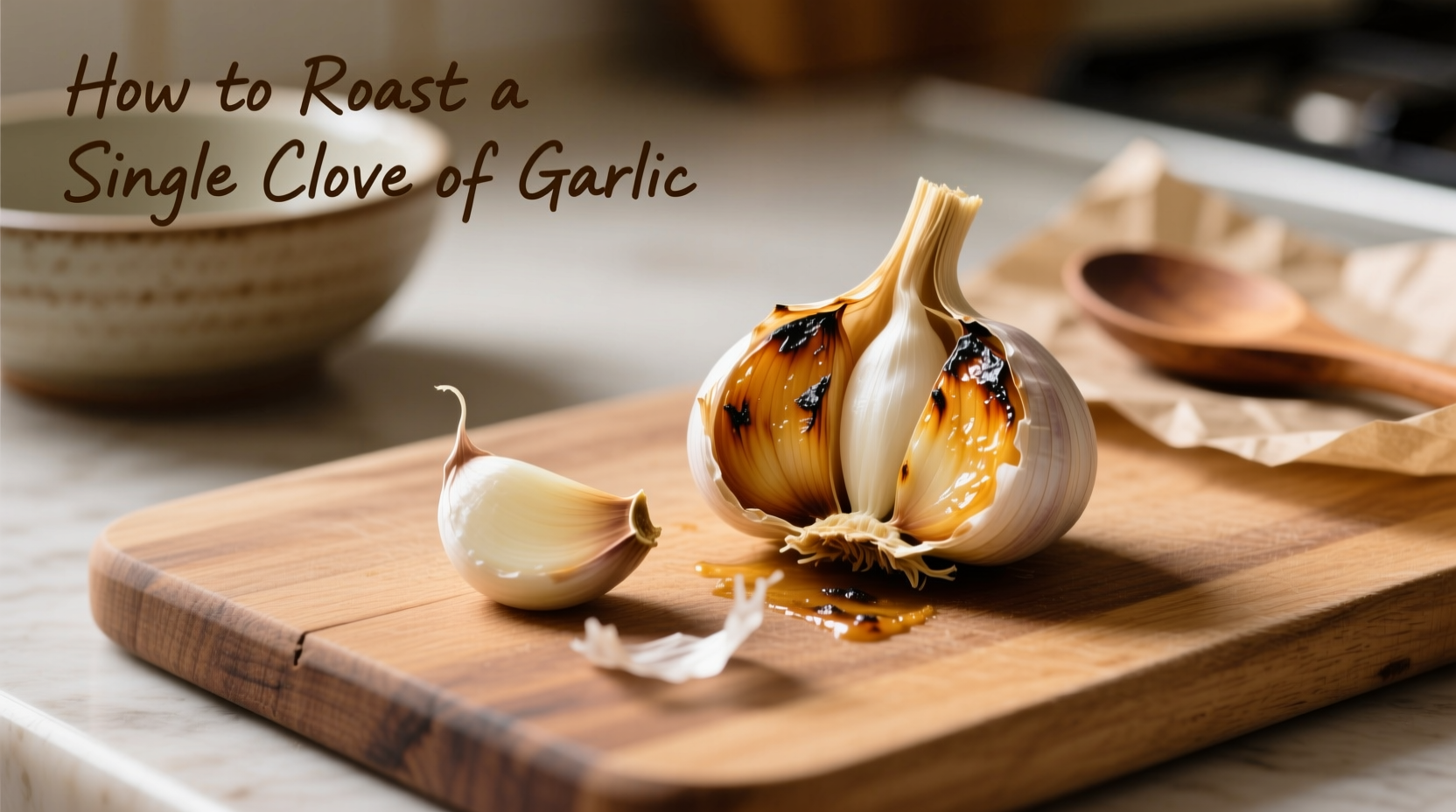
Garlic (Allium sativum) is a fundamental aromatic in global cuisines, prized for its pungency when raw and transformative sweetness when cooked. A single clove refers to one segment from a bulb, typically measuring between 1 and 2 grams depending on variety. Roasting involves applying dry heat to break down the clove’s natural sugars and amino acids through the Maillard reaction and caramelization, converting sharp, sulfuric compounds into mellow, nutty, and subtly sweet notes.
While whole-bulb roasting is common, roasting just one clove serves specific culinary purposes: it allows targeted flavor enhancement without altering texture across an entire dish. This method preserves the integrity of recipes requiring subtlety—such as delicate soups, mashed potatoes, or compound butters—where full-roasted bulb purée might introduce excess moisture or overwhelming sweetness.
Key Characteristics of Roasted Garlic (Single Clove)
| Attribute | Description |
|---|---|
| Flavor Profile | Deeply savory, mildly sweet, with low bitterness; absence of raw bite. |
| Aroma | Toasty, warm, slightly earthy—reminiscent of roasted onions or shallots. |
| Texture | Soft and tender, easily mashed with a fork; not creamy like multi-clove roasts. |
| Color | Golden tan to light amber; avoids charring if done correctly. |
| Heat Level (Pungency) | Negligible—allicin, the compound responsible for heat, degrades during heating. |
| Culinary Function | Flavor base, background depth agent, aroma enhancer. |
| Shelf Life (Unstored) | Best used immediately; can be refrigerated up to 3 days in airtight container. |
Practical Usage: When and How to Use a Roasted Single Clove
The primary advantage of roasting one clove lies in control. Unlike minced raw garlic—which delivers aggressive heat and volatility—or roasted bulb paste—which introduces bulk and moisture—a single roasted clove integrates seamlessly into dishes that benefit from garlic’s essence without its edge.
Home Cooking Applications
- Pan Sauces: After searing meat, deglaze the skillet and stir in a mashed roasted clove to deepen flavor without graininess.
- Vegetable Purées: Blend into cauliflower mash, sweet potato, or parsnip purée for a rounded savoriness.
- Dressings & Vinaigrettes: Emulsify into olive oil and vinegar mixtures for a smooth, non-irritating garlic presence.
- Omelets & Frittatas: Chop finely and fold in before baking to avoid sharpness while retaining aroma.
- Compound Butter: Mix with softened butter, herbs, and lemon zest for finishing steaks or grilled vegetables.
Professional Kitchen Techniques
In fine dining, chefs often use roasted single cloves as part of layered seasoning strategies. For example:
- Sauté aromatics (onion, leek) with raw garlic at the beginning for top-note pungency.
- Add a roasted clove later in reduction stages to contribute body and sweetness.
- Finish with fresh chives or garlic confit oil for aromatic lift.
This creates a “garlic arc” across the palate—initial bite, mid-palate richness, and finish—demonstrating how even minimal ingredients can build complex profiles when applied thoughtfully.
Pro Tip: To maximize yield, roast multiple cloves at once using the same method and store extras in a small jar with a teaspoon of neutral oil (e.g., grapeseed). Refrigerate for up to three days. Avoid water contact to prevent spoilage.
Step-by-Step Guide: Roasting One Garlic Clove
Follow these precise steps for consistent results every time:
- Peel the clove gently, removing all papery skin without damaging the flesh. A bent knife tip or your fingers work well.
- Preheat oven to 300°F (150°C). Low and slow prevents scorching and ensures even transformation.
- Place the clove on a small square of aluminum foil (about 4x4 inches). Drizzle with ¼ teaspoon of high-smoke-point oil (avocado, grapeseed, or refined olive oil).
- Fold the foil into a sealed packet, crimping edges tightly to trap steam and promote tenderness.
- Roast for 22–28 minutes. Check at 22 minutes: the clove should yield easily to gentle pressure and appear golden inside.
- Allow to cool slightly, then unwrap and use whole, mash with a fork, or slice thinly based on application.
This method avoids drying out the clove while ensuring enzymatic changes occur fully. Higher temperatures risk browning before internal softening, leading to acrid flavors.
Variants & Types of Garlic for Single-Clove Roasting
Not all garlic behaves the same under heat. Choosing the right type affects moisture content, sweetness, and ease of peeling—all critical in micro-roasting.
| Type | Best For Roasting? | Notes |
|---|---|---|
| Softneck (Artichoke Garlic) | Yes – most common | Higher yield per bulb; stores longer; moderate heat when raw; excellent balance when roasted. |
| Silverskin (Another Softneck) | Moderate | Very long shelf life; smaller cloves; slightly more acidic after roasting—use sparingly. |
| Hardneck (Rocambole, Porcelain, Purple Stripe) | Ideal | Larger individual cloves; easier to peel; richer, wine-like depth when roasted; shorter shelf life. |
| Elephant Garlic | Limited | Not true garlic—it's a leek relative. Milder flavor; becomes overly sweet when roasted; lacks umami. |
For single-clove applications, hardneck varieties are superior due to their size, ease of handling, and pronounced roasted character. However, standard softneck works perfectly well if stored properly and used fresh.
Comparison with Similar Ingredients
Several ingredients mimic aspects of roasted garlic but differ functionally. Understanding distinctions prevents misapplication.
| Ingredient | Similarity | Key Difference |
|---|---|---|
| Raw Minced Garlic | Same base ingredient | Sharp, spicy, volatile; allicin irritates stomach lining; no sweetness. |
| Garlic Confit | Soft texture, mellow taste | Cooked slowly in oil; richer mouthfeel; higher fat absorption; longer prep. |
| Black Garlic | Sweet, aged profile | Fermented over weeks; molasses-like flavor; sticky texture; expensive. |
| Garlic Powder | Concentrated garlic essence | No moisture; inconsistent heat; lacks depth; may contain anti-caking agents. |
| Shallots (roasted) | Delicate sweetness, allium family | Milder overall; more onion-like; less sulfur complexity. |
\"A single roasted clove isn't a substitute—it's a strategic tool. It fills the space between 'too much' and 'not enough,' especially in refined sauces.\" — Chef Elena Torres, Culinary Instructor, San Francisco Cooking School
Practical Tips & FAQs
Can I roast a clove without foil?
Yes, but with caveats. Place the peeled clove in a small oven-safe ramekin or cast-iron skillet, cover with a lid or another pan, and roast at 300°F. Add a few drops of water or oil to maintain humidity. Expect slightly drier results unless monitored closely.
Is microwaving faster and effective?
Microwaving (30–45 seconds on medium power) softens the clove but doesn’t develop flavor through browning reactions. The result lacks depth and may taste boiled. Not recommended for quality-focused cooking.
What oil should I use?
Use a neutral oil with high smoke point: avocado, grapeseed, or light olive oil. Extra virgin olive oil can work but risks slight bitterness at prolonged heat. Avoid butter—it burns below roasting temperature.
Can I add salt or herbs?
Yes. A pinch of flaky sea salt enhances sweetness. Fresh thyme or rosemary sprig added to the foil packet imparts subtle herbal notes—ideal for meat accompaniments. Remove herbs before using the clove.
How do I know it’s done?
Insert a toothpick or cake tester. It should slide in with no resistance. Cut open to check: center should be uniformly golden, not white or dark brown. Over-roasted cloves turn bitter and dry.
Can I roast frozen garlic cloves?
Frozen cloves lose structural integrity and release excess moisture, making them prone to steaming rather than roasting. Thaw completely and pat dry before attempting. Fresh is always preferred.
Why not just use pre-minced jarred garlic?
Jarred garlic is preserved in citric acid or vinegar, giving it a metallic tang and inconsistent texture. It does not caramelize properly and lacks freshness. Roasting amplifies off-flavors instead of mellowing them.
Does roasting destroy nutrients?
Roasting reduces allicin (a beneficial antioxidant), but increases bioavailability of other sulfur compounds linked to cardiovascular health. Moderate heat exposure retains most nutritional value, though raw garlic has higher initial allicin levels.
Storage Hack: If roasting multiple cloves, place them in a clean jam jar with enough oil to submerge. Seal and refrigerate. Use within 3 days. Do not store longer due to botulism risk with low-acid, anaerobic conditions.
Summary & Key Takeaways
Roasting a single clove of garlic is a precision technique that brings nuanced depth to dishes where balance matters. Far from being impractical, it offers a controlled way to harness garlic’s transformation under heat—turning pungency into silkiness, aggression into harmony.
The process requires minimal tools: foil, oil, and an oven set to low heat. Hardneck garlic yields the best results, but standard supermarket cloves work well when fresh. Avoid substitutes like powders or jarred versions, which fail to replicate the textural and flavor evolution of true roasting.
Professionals use this method to layer flavors subtly; home cooks benefit by reducing waste and improving digestibility. A roasted clove integrates smoothly into sauces, purées, dressings, and proteins without dominating.
Remember: low temperature, enclosed environment, careful timing. Mastery comes not from volume, but attention to detail. In the world of flavor engineering, sometimes the smallest ingredient makes the loudest difference.
Next time you reach for garlic, consider whether raw is truly necessary. Try roasting just one clove—fold it into your next risotto, blend it into mayo, or crush it into warm lentils. Notice how the dish gains roundness, how the aftertaste disappears, how the flavor lingers differently. That’s the quiet power of precision roasting.




 浙公网安备
33010002000092号
浙公网安备
33010002000092号 浙B2-20120091-4
Comments
No comments yet. Why don't you start the discussion?