
Ornaments carry more than decorative value—they hold memories, mark milestones, and reflect personal style. Whether displayed on a Christmas tree, mantel, or shelf, the challenge lies in ensuring that cherished pieces don’t get lost behind bulkier or brighter items. Many people invest in beautiful ornaments only to find their favorites hidden from view by the end of the season. The solution isn't rearranging once—it's establishing a thoughtful rotation system that keeps your most meaningful pieces consistently visible. With deliberate placement, seasonal planning, and structural awareness, you can design displays where sentiment and visibility go hand in hand.
Understand the Psychology of Visual Focus
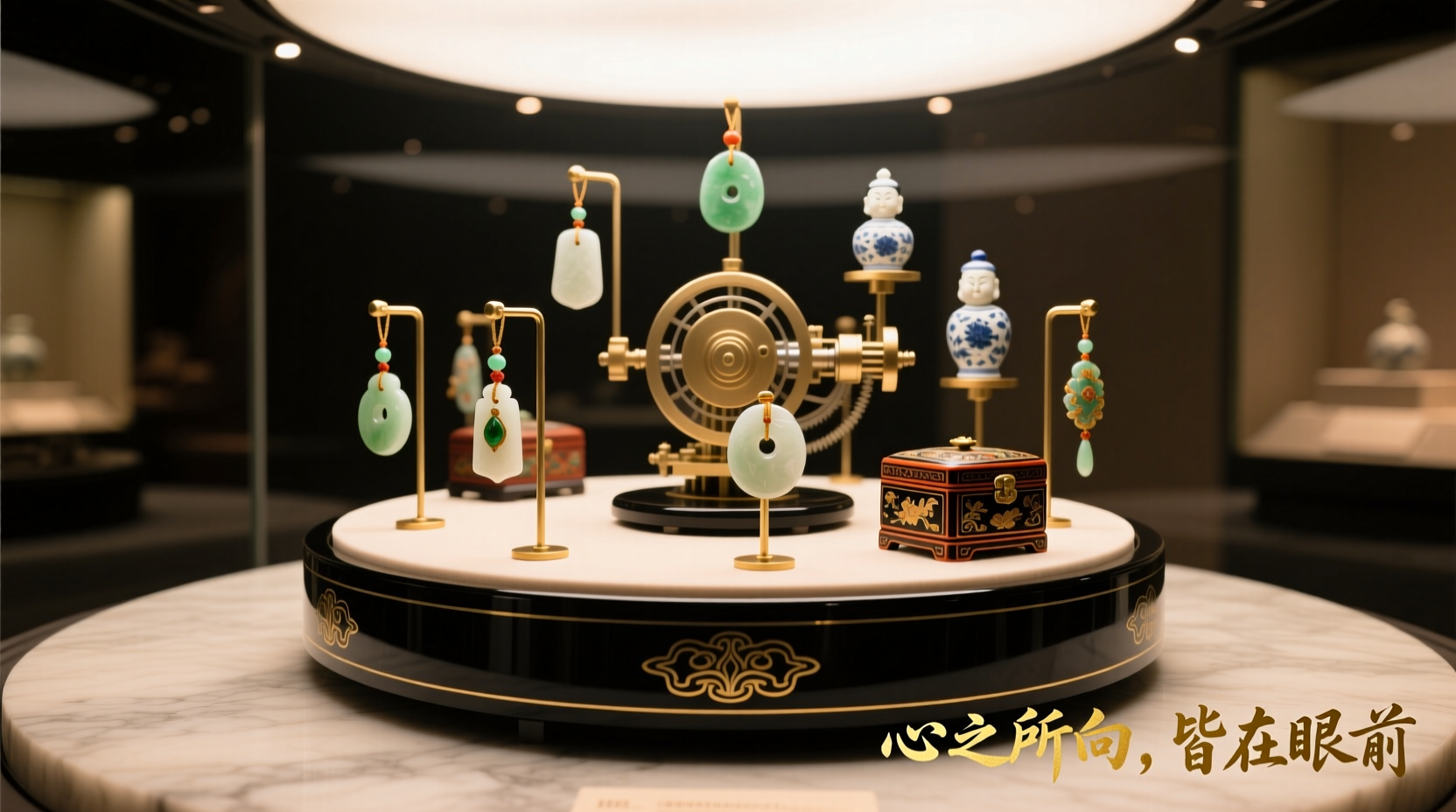
Human eyes are naturally drawn to certain areas of a display. Research in visual perception shows that attention is first captured by central zones, eye-level positions, and points of contrast—whether through color, size, or texture. When arranging ornaments, especially on trees or vertical displays, it’s easy to default to filling space without considering sightlines. But strategic ornament placement begins with understanding where viewers will look first.
The “golden triangle” rule applies here: imagine an invisible triangle formed from the top center of your display down to each lower corner. This central zone receives the most attention. Ornaments placed within this area—particularly at adult eye level (roughly 48 to 60 inches from the floor)—are most likely to be seen and appreciated. Peripheral or lower-hanging ornaments may add depth but often go unnoticed unless deliberately sought out.
This doesn’t mean other ornaments are less valuable—only that visibility should be rotated so every piece gets its moment in the spotlight. By mapping out high-visibility zones, you create a framework for intentional rotation rather than haphazard placement.
Create a Rotation Schedule Based on Themes and Seasons
A consistent rotation schedule prevents favorites from being overlooked year after year. Instead of leaving the same ornaments in the same spots indefinitely, treat your collection like a curated gallery—rotating pieces based on themes, holidays, or seasons.
Start by categorizing your ornaments. Group them into types such as:
- Family heirlooms
- Handmade or DIY pieces
- Travel souvenirs
- Seasonal motifs (snowflakes, reindeer, angels)
- Humorous or novelty ornaments
- Color-coordinated sets
Once categorized, assign each group a time slot during the holiday season or throughout the year if used in year-round decor. For example:
- Week 1–2 (Early December): Display travel-themed ornaments from past vacations.
- Week 3–4 (Holiday Week): Feature family heirlooms and sentimental pieces.
- New Year’s Display: Rotate in sparkling, reflective ornaments symbolizing fresh beginnings.
This approach not only ensures visibility but also adds narrative depth to your decor. Guests may notice subtle changes and feel invited to engage with the story behind each piece.
“Rotating ornaments transforms decoration into storytelling. Each change invites conversation and memory-sharing.” — Lila Thompson, Interior Stylist & Author of *Living With Meaningful Decor*
Structural Strategies for Balanced Visibility
Even with perfect timing, poor structure can bury standout ornaments. To keep favorites visible, consider the physical layout of your display surface. Trees, wreaths, and shelves all require different techniques to maintain balance and prominence.
For Christmas trees, use the “layered branch” method: begin by placing larger ornaments deeper within the branches, closer to the trunk. These act as background elements. Then, position medium-sized favorites on outer branch tips at eye level. Finally, add smaller accent ornaments toward the top and bottom to frame the display without competing for attention.
Use ornament stands or clear plastic hooks to elevate flat-backed or delicate ornaments to the front plane of the tree. These accessories pull items forward without damaging branches. For shelves or mantels, stagger depths using small risers or decorative boxes so that back-row ornaments aren’t completely obscured.
| Display Type | Best Placement for Favorites | Common Visibility Pitfalls |
|---|---|---|
| Christmas Tree | Middle third, outer branches, eye level | Buried by tinsel, lights, or oversized balls |
| Wreath | Slightly off-center focal point (3 or 9 o’clock) | Blocked by door hardware or lighting |
| Mantel Shelf | Center grouping or bookended pairs | Overshadowed by candles or framed photos |
| Window Display | Front layer with backlighting | Lost against busy outdoor views |
Additionally, avoid clustering too many large or brightly colored ornaments together. A single standout piece surrounded by neutral accents draws more attention than a crowded cluster where nothing stands out.
Step-by-Step Guide to Implementing an Ornament Rotation System
Creating a sustainable rotation plan takes preparation but pays off in long-term enjoyment. Follow this six-step process to ensure your favorite ornaments remain visible and celebrated.
- Inventorize Your Collection
Photograph and label each ornament. Note size, fragility, theme, and sentimental value. Store this list digitally or in a notebook for reference. - Identify Top-Tier Favorites
Select 5–7 ornaments that hold the most emotional significance. These will be prioritized in every rotation cycle. - Map High-Visibility Zones
Mark the prime viewing areas on your main display surfaces using removable tape or mental notes. Know exactly where to place key pieces. - Design Seasonal Themes
Create a calendar that assigns themes to different weeks or events. Include space for spontaneous additions, like a new ornament from a recent trip. - Pre-Stage Rotations
Before each transition, lay out the next set of ornaments on a table. Visualize the new arrangement and make adjustments before hanging anything. - Document and Reflect
Take photos after each setup. Over time, you’ll see patterns in what works and refine your approach.
Real Example: The Johnson Family’s Rotating Tree Tradition
The Johnsons of Minneapolis struggled for years with their Christmas tree. Despite owning over 80 ornaments, they felt their display lacked personality. Their daughter’s kindergarten handprint reindeer was always buried near the base, and their grandmother’s blown-glass angel rarely caught the light.
In 2022, they implemented a rotation system. They began by photographing and sorting all ornaments into categories. They identified five “legacy” pieces—including the angel and a wooden star from their first married Christmas—and committed to featuring these prominently during Christmas Eve through New Year’s Day.
They introduced themed weeks: “Nostalgia Week” highlighted childhood ornaments; “Globe Trotters” featured souvenirs from trips to Italy, Japan, and Costa Rica; and “Homegrown Joy” showcased handmade pieces from family craft nights.
Each Sunday, they gathered to swap out 6–8 ornaments, turning it into a ritual complete with hot cocoa and music. By rotating both themes and placements, every ornament received front-and-center exposure at least once during the season. Visitors commented on the evolving beauty of the tree, and the children grew excited to see their creations take center stage.
Two years later, the tradition continues—not just preserving memories, but actively celebrating them.
Checklist: Ensuring Your Favorites Stay Visible
Use this checklist each time you decorate to maintain optimal visibility:
- ✅ Identify at least three favorite ornaments to feature upfront
- ✅ Confirm they are placed within the golden triangle (center mass, eye level)
- ✅ Use clear hooks or stands to bring back-layer ornaments forward
- ✅ Balance color and size—don’t let one overpower the others
- ✅ Step back and view from multiple angles (doorway, seating area)
- ✅ Schedule a mid-season rotation to refresh the display
- ✅ Photograph the final arrangement for future reference
Frequently Asked Questions
How often should I rotate my ornaments?
For holiday displays, rotating every 1–2 weeks maintains freshness and ensures broader visibility across your collection. If using ornaments in year-round decor, consider quarterly rotations aligned with seasons or special occasions.
What if I have more favorites than prime spots?
That’s common. Instead of trying to display all favorites at once, rotate them on a schedule. One week features the heirloom pieces, the next highlights handmade ornaments. This gives each its deserved attention and prevents visual overload.
Can I rotate ornaments on artificial trees?
Absolutely. Artificial trees often offer more stability and consistent branch structure, making it easier to plan precise placements. Use the same principles of zoning and thematic rotation regardless of tree type.
Conclusion: Make Every Ornament Matter
Decorating shouldn’t be about filling space—it should be about honoring meaning. When ornaments are thoughtfully rotated, each one gets its moment to shine, connecting us to memories, people, and moments that shape our lives. Visibility isn’t just about placement; it’s about intention. By applying structured rotation, seasonal themes, and strategic positioning, you transform decoration from routine to ritual.
Your favorite ornaments deserve more than occasional glimpses. They deserve consistent recognition. Start today: pull out your collection, identify the pieces that matter most, and give them the prominent place they’ve earned. Let your decor tell a living story—one that changes, grows, and remains beautifully visible.




 浙公网安备
33010002000092号
浙公网安备
33010002000092号 浙B2-20120091-4
Comments
No comments yet. Why don't you start the discussion?