
Holiday decorations carry more than sparkle—they hold stories. A handmade clay reindeer from kindergarten, a delicate glass globe from a first Christmas together, or a quirky ornament picked up on a winter trip to Iceland—each one is a time capsule of joy, tradition, and connection. Yet, despite their emotional value, many ornaments spend years tucked away in boxes, unseen and unappreciated. Over time, favorites dominate the tree while others gather dust, slowly fading from memory.
The solution isn’t buying more storage bins or labeling boxes better—it’s creating a deliberate rotation system. By rotating your ornaments annually, you ensure every piece gets its moment in the spotlight, preserve the longevity of fragile items, and rediscover the delight of long-forgotten treasures. This approach transforms decoration from routine to ritual, where each season brings something new and nostalgic into view.
Why Ornament Rotation Matters
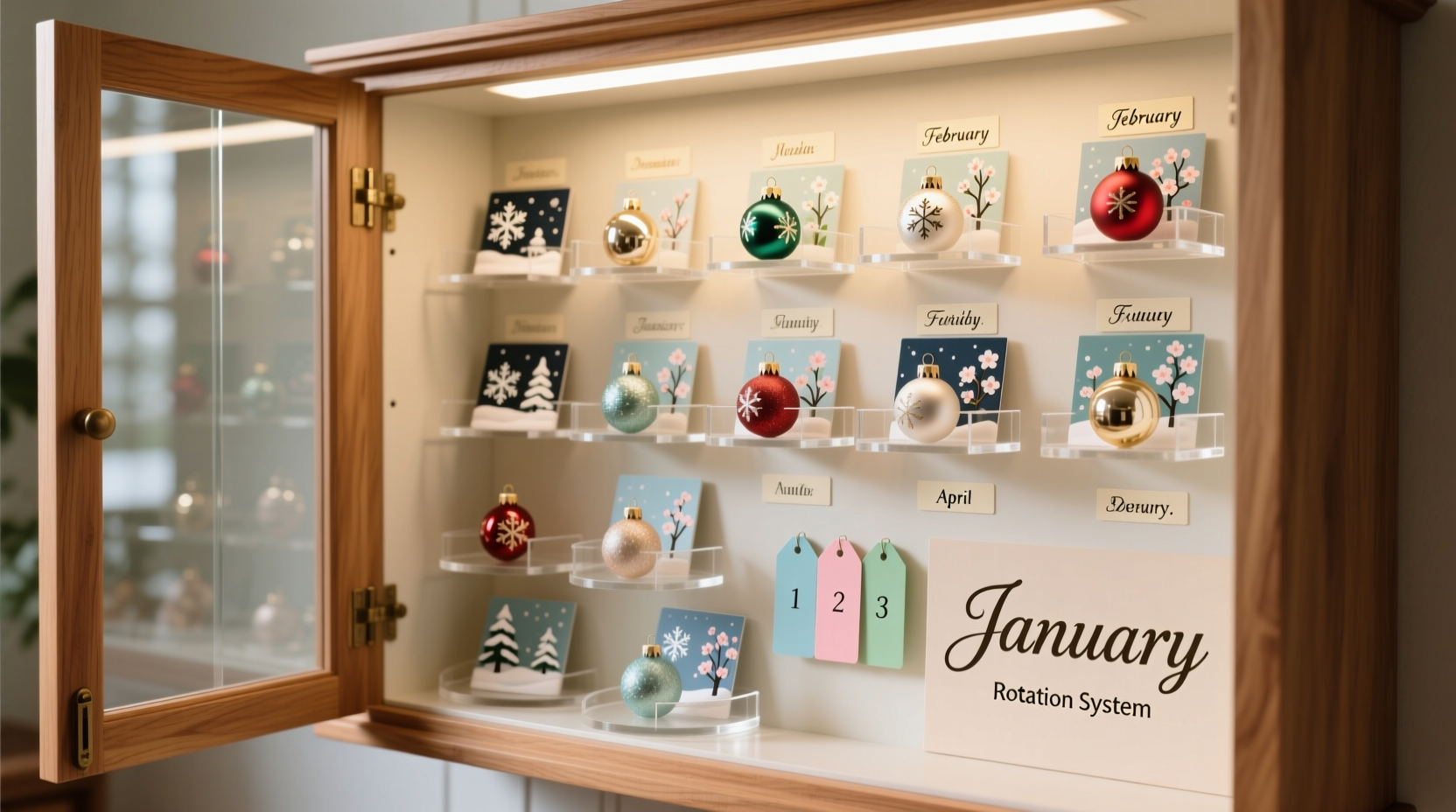
Most families don’t realize they’re repeating the same tree year after year. A few beloved pieces dominate the branches, while dozens of others remain packed away, sometimes for decades. Without rotation, ornaments can suffer from more than neglect—they risk physical deterioration due to prolonged exposure to temperature fluctuations, light, or pressure from stacked boxes.
Rotation isn’t just about fairness; it’s a preservation strategy. Light-sensitive materials like glitter, fabric, and certain paints degrade when exposed repeatedly to sunlight during display. Meanwhile, glass and ceramic ornaments benefit from rest between displays, reducing the chance of chipping or breakage. Giving ornaments “time off” extends their lifespan and keeps your decor feeling fresh.
Psychologically, variety enhances appreciation. When you see the same decorations every December, they lose their magic. But reintroducing an ornament after a few years sparks recognition and warmth—a “I forgot we had this!” moment that deepens seasonal joy.
“Ornament rotation isn’t just organizational—it’s emotional curation. It ensures every meaningful piece continues to be part of the story.” — Clara Bennett, Holiday Historian & Author of *Decorating Memory*
A Step-by-Step System for Annual Ornament Rotation
Creating a sustainable rotation system takes a few hours of planning but pays dividends for years. Follow this timeline to build a repeatable process:
- Inventory All Ornaments (January–February): After the holidays, unpack every box. Lay out all ornaments by category—family heirlooms, handmade, themed, vintage, etc. Take photos and make notes on condition.
- Categorize and Tag (March): Assign each ornament or group a number or code. Use small tags or a spreadsheet. Include origin, material, and sentimental value.
- Create Rotation Groups (April): Divide ornaments into 3–5 sets based on theme, color, size, or era. Aim for balanced visual impact across groups.
- Plan Display Years (May): Decide which group will be featured each year. For example: Year 1 – Family Heirlooms, Year 2 – Travel Memories, Year 3 – Kids’ Creations.
- Store Off-Display Groups Properly (June–November): Keep non-displaying ornaments in climate-controlled, padded containers. Label clearly with rotation schedule.
- Display, Enjoy, and Document (December): Hang only the designated group. Take photos of the tree and note standout pieces. Add reflections to your ornament log.
- Review and Adjust (January of Next Cycle): After disassembly, assess what worked. Swap one or two pieces between groups if needed to maintain balance.
This annual rhythm turns ornament care into a reflective practice rather than a chore. Over a five-year cycle, every major piece gets displayed at least once, with room for overlap of true favorites.
Organizing Ornaments into Meaningful Categories
Effective rotation depends on thoughtful categorization. Avoid sorting solely by size or fragility—those are storage concerns. Instead, group by narrative or aesthetic themes to create cohesive, memorable trees.
| Category Type | Examples | Best Paired With |
|---|---|---|
| Family Timeline | First Christmas together, baby's first ornament, wedding year | Neutral backdrop; ideal as centerpiece focus |
| Handmade & Kids' Art | Popsicle stick snowmen, painted pasta wreaths, school crafts | Bright lights; best in high-visibility zones |
| Vacation & Travel | Souvenirs from Paris, beach-themed shells, ski lodge tokens | Themed trees (e.g., “Winter Getaway”) |
| Vintage & Heirloom | 1950s glass balls, hand-blown figures, antique tinsel | Low-traffic areas; use protective sleeves |
| Pop Culture & Humor | Funny puns (“Santa Baby”), movie characters, pet portraits | Mixed sparingly with traditional pieces |
Some categories may span multiple years if they’re large or particularly cherished. The key is intentionality: decide not just what to hang, but why. A “Year of the Grandparents” theme might include all ornaments passed down from both sides, displayed with framed photos at the tree’s base.
Real Example: The Thompson Family’s Five-Year Plan
The Thompsons had over 200 ornaments stored in six mismatched boxes. Every year, they used roughly 60—the same ones. During a January declutter, they discovered a box labeled “Mom’s Childhood,” unopened for 12 years. Inside were tiny hand-stitched angels and a faded Santa with a yarn beard. That moment sparked change.
They created five themed groups:
- Group A: Heritage – Family heirlooms and vintage pieces
- Group B: Little Hands – All kids’ handmade ornaments
- Group C: Around the World – Travel souvenirs from 14 countries
- Group D: Modern Elegance – Matching silver and white contemporary designs
- Group E: Joy & Whimsy – Funny, colorful, and novelty items
They committed to a five-year cycle starting with Heritage. Each December, they photographed the tree and added a note in a shared family journal. By Year 3, their daughter said, “I love when we do the travel year—remember the little Swiss bell?” They now look forward to each rotation as a reunion with memories.
Essential Tips for Long-Term Success
A rotation system only works if it’s simple and sustainable. Avoid overcomplicating the process with rigid rules. Here are proven strategies to keep the system alive:
- Limits prevent overwhelm: Cap each rotation group at 50–70 ornaments. More than that dilutes impact and increases setup time.
- Include a “Greatest Hits” basket: Allow 5–10 favorite ornaments to appear every year, regardless of theme. This balances novelty with comfort.
- Use clear, stackable containers: See contents without opening boxes. Label with category, year(s) used, and last display date.
- Photograph each year’s tree: Build a digital archive. These images become future nostalgia and help evaluate visual balance.
- Involve the whole family: Let each member pick one “wildcard” ornament per year from storage. Encourages engagement and surprise.
Checklist: Launch Your Ornament Rotation System
Follow this checklist to implement your system within a single season:
- ☐ Unpack and sort all ornaments post-holidays
- ☐ Clean and repair damaged pieces
- ☐ Photograph each ornament or group
- ☐ Assign categories and create 3–5 rotation groups
- ☐ Designate display years for each group
- ☐ Label storage boxes with category, contents, and next use year
- ☐ Create a shared digital or printed rotation calendar
- ☐ Store off-season ornaments in padded, climate-safe containers
- ☐ Mark next rotation switch on family calendar
- ☐ Reflect and adjust after each display season
Common Mistakes to Avoid
Even well-intentioned systems fail when these pitfalls aren’t addressed:
- No flexibility: Sticking too rigidly to the plan can drain joy. If a child insists on hanging their kindergarten reindeer, let it happen. The system should serve the family, not the reverse.
- Poor documentation: Without a record, you’ll forget what’s in each group. Use a simple spreadsheet or notebook.
- Overlapping themes: If every group has red balls and snowmen, rotation feels meaningless. Ensure each set has a distinct identity.
- Ignoring storage conditions: Basements and attics expose ornaments to humidity and pests. Invest in acid-free tissue and plastic bins with seals.
- Forgetting the “why”: Rotation isn’t about efficiency—it’s about honoring memory. Reconnect with the emotional purpose each year.
FAQ
How often should I rotate my ornaments?
Aim for a full cycle every 3–5 years. This ensures no significant piece goes unseen for too long while keeping the tree feeling fresh. Fragile or historically valuable ornaments may rotate less frequently to reduce handling risks.
What if I have more ornaments than years in my rotation?
That’s common. Prioritize by sentiment and condition. Create sub-groups within categories—for example, split “Kids’ Ornaments” by age or school year. Rotate sub-groups within the larger theme to extend variety.
Can I mix rotation with free choice?
Absolutely. Reserve 10–15% of your tree for free-choice ornaments—favorites, new additions, or spontaneous picks. This blend of structure and freedom keeps the tradition joyful and personal.
Conclusion: Make Every Ornament Matter
Your ornaments are more than decorations—they’re heirlooms in motion. By rotating them deliberately, you honor the moments they represent and protect their physical form for future generations. You also reclaim the wonder of rediscovery, turning December into a journey through memory rather than a repetition of habit.
The goal isn’t a perfectly coordinated tree every year. It’s a living tradition—one where a lopsided popsicle-stick reindeer hangs beside a century-old glass bell, where laughter comes not just from gifts, but from seeing Grandma’s crocheted angel smile down again after years out of sight.




 浙公网安备
33010002000092号
浙公网安备
33010002000092号 浙B2-20120091-4
Comments
No comments yet. Why don't you start the discussion?