
Living with a small closet doesn’t mean sacrificing style or organization. In fact, limited space can be an opportunity to refine your wardrobe, streamline your choices, and create a system that keeps your clothing fresh, accessible, and seasonally appropriate. The key lies in a well-planned rotation strategy that balances practicality with aesthetics. Seasonal rotation isn’t just about storing away winter coats in summer—it’s about preserving garment quality, maximizing usable space, and making daily dressing effortless. With the right approach, even the tiniest closet can support a full, fashionable wardrobe year-round.
Assess and Edit Your Wardrobe Seasonally
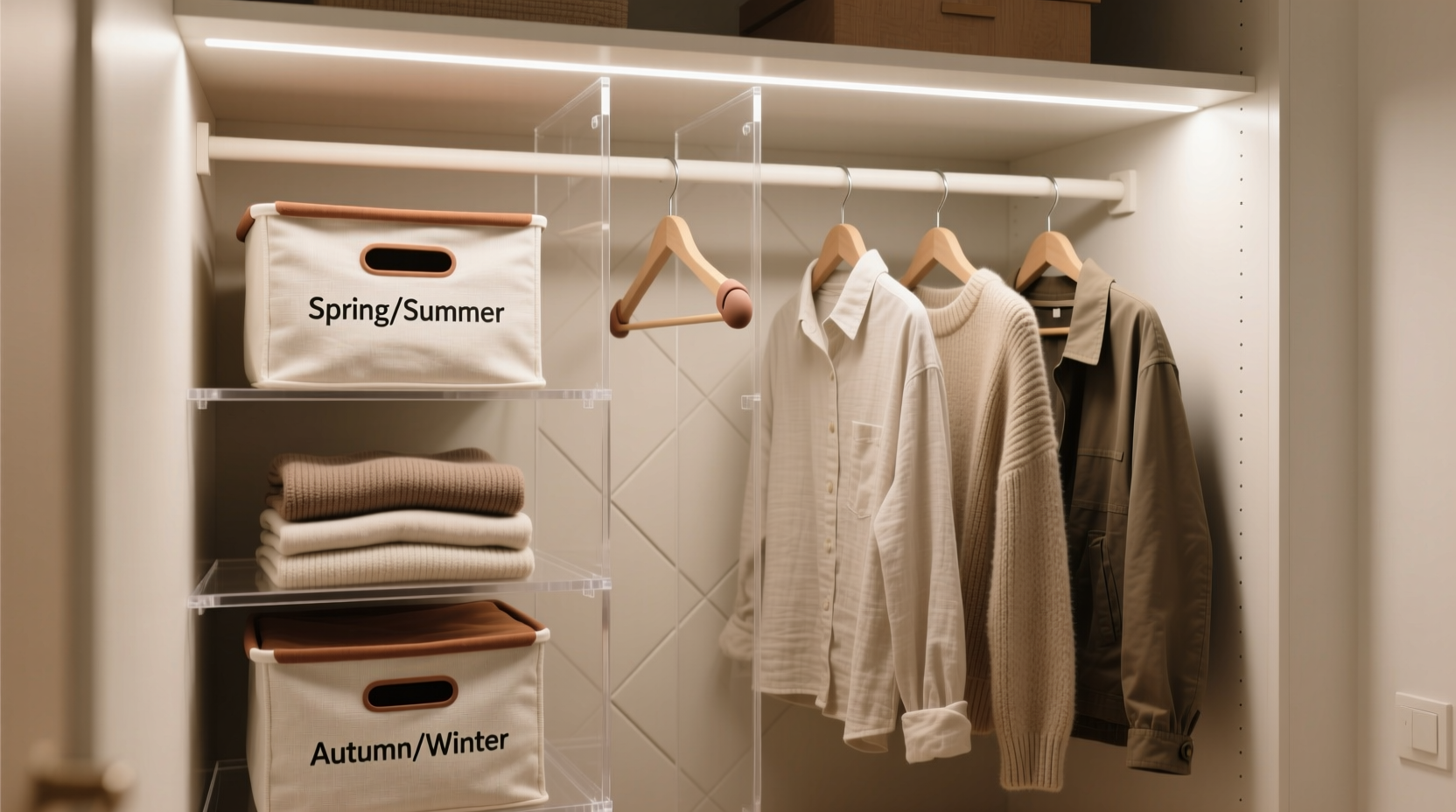
Before rotating anything, take stock of what you actually own. Many people overfill their closets because they keep items out of habit, not use. Begin each seasonal transition with a thorough review. Pull everything out—yes, everything—and sort it into four piles: keep, donate, repair, and store. Be ruthless. If you haven’t worn something in the past nine months, it’s likely not serving you. This process reduces clutter and ensures only functional, loved pieces move forward.
Consider fit, condition, and frequency of wear. A sweater with pilling or a shirt that no longer fits should either be repaired or let go. Holding onto unworn items wastes valuable real estate. As fashion curator Lena Torres explains:
“Closet efficiency starts with intentionality. Every hanger should hold something you love and wear.” — Lena Torres, Sustainable Style Consultant
Editing also gives you insight into gaps in your wardrobe. Maybe you realize you have three black sweaters but no lightweight cardigans for spring layering. Use this awareness when planning future purchases—buy less, choose well.
Create a Smart Rotation System
A successful rotation hinges on structure. Without a clear system, off-season clothes pile up in boxes under beds or get shoved into corners, leading to forgotten garments and disorganization. Instead, establish a predictable cycle tied to weather shifts—typically spring/summer and fall/winter transitions.
Start by dividing your wardrobe into two main categories: current season and off-season. The current-season clothes should be fully visible and easily accessible. Off-season items must be stored properly to prevent damage from moisture, pests, or creasing.
Step-by-Step Guide to Rotating Clothes Twice a Year
- Schedule rotation days: Mark your calendar twice a year—around March and September—for full closet swaps.
- Remove off-season items: Take out heavy coats, boots, knitwear (for spring), or tank tops, sandals, swimwear (for fall).
- Clean before storing: Wash or dry clean all garments to remove body oils, sweat, and stains that attract moths.
- Pack thoughtfully: Use breathable cotton storage bags or vacuum-sealed packs for bulky items like comforters or down jackets. Avoid plastic bins unless they’re ventilated.
- Label containers: Clearly mark boxes or bins with contents and season (e.g., “Winter Sweaters – 2024”)
- Store wisely: Place off-season bins under the bed, on high shelves, or in another room if space allows.
- Reorganize current wardrobe: Arrange remaining clothes by category (tops, bottoms, dresses) and color for visual harmony and ease of selection.
Maximize Small Closet Space with Tactical Storage
When square footage is limited, vertical space and multifunctional solutions become essential. Rethink every inch of your closet—not just hanging rods, but doors, walls, and floor.
| Solution | Best For | Tips |
|---|---|---|
| Double-hang rods | Shorter garments (shirts, blouses, skirts) | Install a second rod below the primary one for folded pants or shirts on hangers. |
| Over-the-door organizers | Shoes, scarves, belts | Use clear pockets to see contents at a glance; avoid overloading to prevent door strain. |
| Stackable bins | Sweaters, loungewear, accessories | Choose open-weave fabric bins for breathability; label each clearly. |
| Hanging shelf units | Folded jeans, tees, pajamas | Prevents drawer overcrowding and utilizes dead air space. |
| Adjustable shelving | Handbags, hats, shoe boxes | Customize heights based on item size; leave gaps for airflow. |
Another powerful technique is zoning. Assign areas of your closet to specific types of clothing. For example:
- Top zone: Shelves for bags and off-season accessory storage
- Middle zone: Hanging space for everyday wear
- Lower zone: Drawers or bins for underwear, socks, gym clothes
- Floor: Shoes on racks or in ventilated boxes
This creates visual order and makes retrieval intuitive. In small spaces, consistency beats complexity.
Preserve Garment Quality During Storage
Storing clothes improperly can lead to yellowing, mildew, stretched necklines, and moth damage. Protect your investment with these preservation techniques.
Natural fibers like wool, silk, and cotton are especially vulnerable. Always clean clothes before storing—residue attracts insects. Never pack damp garments; ensure they’re completely dry. For knitwear, fold instead of hang to prevent shoulder bumps and stretching.
In humid climates, include silica gel packets or cedar blocks in storage containers to absorb moisture and deter pests. Avoid mothballs if possible—they leave a strong odor and contain chemicals many find unpleasant. Cedar is a natural, aromatic alternative.
Vacuum storage bags work well for bulky items like duvets or winter coats but aren’t ideal for long-term clothing storage. Compression can damage fabric fibers and cause permanent creasing. Reserve them for truly infrequent-use items.
Do’s and Don’ts of Seasonal Clothing Storage
| Do | Don't |
|---|---|
| Wash or dry clean before storing | Store dirty or stained clothes |
| Use breathable cotton garment bags | Seal clothes in airtight plastic without ventilation |
| Fold knits and delicate fabrics | Hang sweaters long-term |
| Store in cool, dark, dry places | Keep clothes in attics or basements prone to temperature swings |
| Rotate stored items occasionally | Forget about them for years |
Real-Life Example: Maya’s Studio Apartment Closet Makeover
Maya lives in a 450-square-foot studio in Chicago, where winters are harsh and summers humid. Her reach-in closet measured just 36 inches wide. Before organizing, she stuffed everything in—winter coats hung over summer dresses, shoes spilled onto the floor, and off-season clothes piled in a bin by the door.
She implemented a seasonal swap system using under-bed storage cubes labeled by season. She invested in slim hangers and added an over-the-door shoe organizer. Heavy winter layers were cleaned, folded, and placed in breathable canvas bins with cedar blocks. Summer linens and swimwear went into a hanging organizer on the back wall.
Now, her closet holds only what she needs for the current season. Outfits come together faster, and she’s rediscovered pieces she’d forgotten. Most importantly, her clothes last longer because they’re stored correctly and handled mindfully.
Essential Checklist for Seasonal Rotation Success
- ✔ Audit your wardrobe every 6 months
- ✔ Clean all garments before storing
- ✔ Use consistent, labeled storage containers
- ✔ Invest in space-saving hangers and organizers
- ✔ Store off-season clothes in dry, cool, pest-free areas
- ✔ Fold knits and delicate items; avoid long-term hanging
- ✔ Reassess storage solutions annually for improvements
Frequently Asked Questions
How often should I rotate my seasonal clothes?
Twice a year is standard—once before spring (February–March) and once before fall (August–September). However, micro-climates or unpredictable weather may require adjustments. Some people in temperate zones opt for quarterly mini-swaps.
What’s the best way to store jeans during off-seasons?
Jeans should be folded and stored in drawers or bins, ideally rolled to save space. If hanging, use sturdy hangers to avoid stretching. Avoid plastic bags; cotton or canvas bins allow airflow and prevent stiffness.
Can I store clothes in vacuum bags long-term?
Not recommended for most clothing. While vacuum bags save space, prolonged compression can damage fabric structure, especially for wools and structured garments. They’re better suited for bulky bedding or emergency kits.
Style Meets Function: Designing an Aesthetic Closet
An efficient closet doesn’t have to look utilitarian. With thoughtful arrangement, even a compact space can feel curated and calming. Start by grouping clothes by color within categories—white tees together, then light blue, navy, etc. This creates a gradient effect that’s visually soothing and helps you spot coordinating pieces quickly.
Use matching hangers for uniformity. White or wood-toned hangers elevate the look instantly. Store folded items in decorative baskets or labeled fabric bins that complement your room’s decor. Add a small sachet of lavender for a subtle scent and natural moth repellent.
If your closet has a door, consider adding a mirror on the inside. It maximizes utility and creates the illusion of space. A single LED strip light can transform a dark closet into a boutique-like experience.
Conclusion: Transform Your Closet, Elevate Your Routine
Renting a small apartment or living in a compact home doesn’t mean compromising on style or organization. By rotating seasonal clothes with intention, you protect your wardrobe, simplify your mornings, and create a personal space that reflects care and clarity. Efficiency and elegance aren’t opposites—they’re partners in a well-curated life.




 浙公网安备
33010002000092号
浙公网安备
33010002000092号 浙B2-20120091-4
Comments
No comments yet. Why don't you start the discussion?