
Living in a compact apartment or managing a tiny closet doesn’t mean you have to sacrifice style or comfort across the seasons. Many urban dwellers face the same challenge: where do you put winter coats when spring arrives, or how do you keep summer dresses accessible without letting them take over your limited space? The key lies not in having more room, but in rotating your wardrobe intelligently. With thoughtful planning and efficient systems, you can seamlessly transition between seasons while keeping your home clutter-free and organized.
Why Seasonal Rotation Matters in Small Spaces
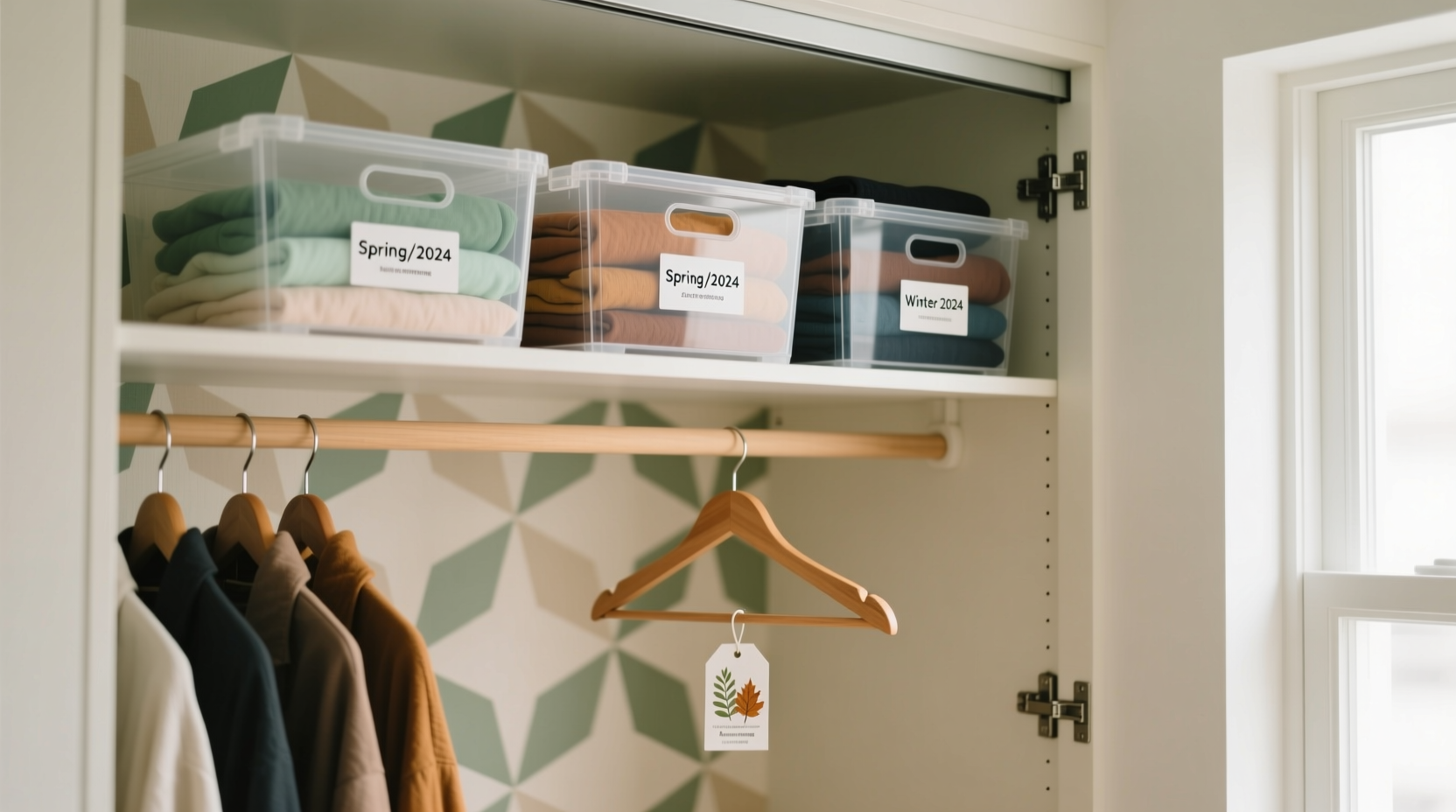
In confined living environments, every square foot counts. Storing off-season clothing within your daily reach leads to overcrowded drawers, bulging closets, and constant visual clutter. Seasonal rotation isn’t just about fashion—it’s a spatial necessity. By removing clothes you won’t wear for months, you free up valuable real estate for items you actually use. This reduces decision fatigue, improves airflow in storage areas, and protects delicate fabrics from dust, moisture, and accidental damage.
Moreover, proper rotation extends the life of your garments. Fabrics like wool, silk, and cotton benefit from rest periods away from light and friction. Storing them correctly during dormancy prevents pilling, fading, and stretching—common issues caused by overcrowding or improper conditions.
A Step-by-Step Guide to Rotating Your Wardrobe
Rotating your clothes effectively requires a clear process. Follow this timeline to ensure smooth transitions without last-minute chaos.
- Two Weeks Before Season Change: Begin assessing your current wardrobe. Pull out all items and sort them into “Keep,” “Donate/Sell,” and “Repair” piles. This pre-cull ensures only usable pieces are stored.
- One Week Before Transition: Clean all garments destined for storage. Never store dirty clothes—even invisible residues attract pests and cause yellowing over time.
- Season Switch Weekend: Remove off-season items from active storage. Pack them using breathable containers. Simultaneously, reintroduce next-season clothes into primary drawers and hanging areas.
- First Week of New Season: Audit your newly rotated wardrobe. Are there gaps? Do certain items no longer fit or suit your lifestyle? Make shopping decisions now, not mid-season when urgency drives poor choices.
- Ongoing Maintenance: Every two weeks, reassess what you're wearing. If something hasn’t been worn in 30 days, consider swapping it out—even within the same season.
Storage Methods That Maximize Space
The way you store off-season clothes determines how much space you reclaim—and how well garments survive until next year. Avoid common pitfalls like plastic bags that trap moisture or vacuum-sealed packs that crush delicate knits.
| Storage Method | Best For | Space Efficiency | Garment Safety |
|---|---|---|---|
| Vacuum Compression Bags | Bulky winter layers (coats, quilts) | ★★★★☆ | ★☆☆☆☆ (can damage fibers long-term) |
| Canvas Storage Boxes | Casual wear, jeans, t-shirts | ★★★☆☆ | ★★★★☆ (breathable, stackable) |
| Garment Bags with Vents | Dresses, suits, formalwear | ★★☆☆☆ | ★★★★★ (protects shape and fabric) |
| Under-Bed Roll Containers | Light sweaters, linens, accessories | ★★★★★ | ★★★★☆ (easy access, low profile) |
| Modular Plastic Bins | All-purpose; ideal under shelves | ★★★★☆ | ★★★☆☆ (ensure ventilation holes) |
Smart Space-Saving Strategies for Apartments and Tiny Homes
When floor space is at a premium, think vertically, functionally, and multi-dimensionally. Here are proven tactics used by minimalist designers and urban organizers:
- Use Over-the-Door Organizers: Ideal for scarves, belts, socks, or folded tees. These utilize dead space without requiring drilling or permanent fixtures.
- Install Ceiling-Mounted Racks: In studios or lofts, ceiling pulley systems lift bulky bins out of sight. They’re especially effective for storing holiday or ski-season gear.
- Double Up Hanging Rods: Install a second rod beneath the main one to hang shorter items like shirts or skirts. This doubles hanging capacity without expanding footprint.
- Rotate in Phases: Instead of switching everything at once, rotate in waves. For example, store heavy parkas first, then swap sweaters two weeks later as temperatures stabilize.
- Leverage Furniture with Hidden Storage: Ottomans, beds with hydraulic lifts, and benches with hinged lids offer discreet, accessible space for folded seasonal layers.
Consider repurposing seldom-used areas: the top shelf of a kitchen pantry (if dry and temperature-stable), unused bathroom cabinets, or even behind sliding mirror doors. Just ensure any alternative location remains dry, dark, and pest-free.
Real Example: Maria’s Studio Apartment Rotation System
Maria lives in a 400-square-foot studio in Portland, Oregon—a city known for unpredictable weather. Her solution blends practicality with aesthetics. She uses three canvas under-bed rollers labeled “Winter,” “Spring/Fall,” and “Summer.” Each contains neatly folded layers appropriate to the season.
Twice a year, she swaps the front-facing roller. During transition weeks, both adjacent rollers sit partially extended so she can layer appropriately. Her hanging space features a slim double rod: the upper tier holds blazers and dresses, the lower has shirts and lightweight cardigans. Off-season formalwear goes into a ventilated garment bag stored atop her bookshelf—out of the way but not forgotten.
By dedicating just 30 minutes per season to rotation, Maria maintains an uncluttered, functional space year-round. “It’s not about owning less,” she says. “It’s about making what I own work harder for me.”
Expert Insight: What Designers Recommend
Fashion and interior experts agree that discipline in rotation leads to better personal style outcomes and reduced consumption.
“Most people overestimate how much they wear. A focused seasonal edit reveals true favorites—and helps avoid redundant purchases.” — Lena Torres, Sustainable Style Consultant
“The biggest mistake? Leaving clothes crammed in closets all year. Rotation isn’t optional in small homes—it’s essential maintenance.” — Amir Chen, Urban Living Organizer
Experts emphasize that rotating isn’t merely storage logistics; it’s a mindfulness practice. When you handle each piece intentionally, you reconnect with your wardrobe, notice wear patterns, and honor the value of what you own.
Essential Checklist for Seasonal Rotation Success
Use this checklist each time you prepare to rotate your clothes:
- ☐ Sort through all clothing and remove damaged, ill-fitting, or unwanted items
- ☐ Wash or dry clean all garments before storing
- ☐ Choose breathable, labeled containers appropriate for fabric types
- ☐ Store containers in cool, dry, dark locations (avoid attics or basements if humid)
- ☐ Reintroduce next-season clothes into primary storage zones
- ☐ Update your capsule wardrobe list to reflect current needs
- ☐ Inspect stored items every 3 months for pests or moisture
Frequently Asked Questions
How often should I rotate my clothes?
Most people benefit from four main rotations per year—aligned with meteorological seasons (spring, summer, fall, winter). However, those in temperate climates may opt for three: warm, cool, and transitional. Monitor your actual usage: if you’re regularly layering or reaching for off-season items, adjust timing accordingly.
Can I store clothes in vacuum bags long-term?
While vacuum bags save space, they’re best reserved for short-to-medium term storage (under 6 months) and only for durable fabrics like denim or polyester. Natural fibers such as wool, cashmere, and cotton need to breathe. Long-term compression can weaken fibers and distort shapes. If you must use vacuum bags, release the seal every few months and air out the garments.
What if I don’t have any extra storage space?
Start small. Even one under-bed bin or a single overhead shelf can hold several months’ worth of off-season items. Prioritize rotating the bulkiest pieces first—coats, sweaters, boots—as these reclaim the most immediate space. You might also explore shared storage options, like a closet shelf swapped with a roommate seasonally, or renting a small locker at a nearby facility if absolutely necessary.
Conclusion: Make Rotation a Ritual, Not a Chore
Rotating seasonal clothes in a small space isn’t about perfection—it’s about progress. The goal isn’t to eliminate all storage challenges, but to create a system that works consistently with your lifestyle. When done mindfully, seasonal rotation transforms clutter into clarity, excess into intentionality.
Begin with one drawer. Clear it out, clean it, and fill it only with what you’ll wear in the coming weeks. Expand from there. Over time, you’ll find that less really is more—not because you own fewer things, but because everything you own has a purpose and a place.




 浙公网安备
33010002000092号
浙公网安备
33010002000092号 浙B2-20120091-4
Comments
No comments yet. Why don't you start the discussion?