
A mattress is one of the most important investments you make for your health and comfort. Yet, many people overlook a simple maintenance habit that can dramatically extend its life: rotation. Over time, body weight, sleeping positions, and gravity create uneven wear patterns—especially in foam and innerspring models. This leads to sagging, lumps, and discomfort. But by rotating your mattress regularly, you distribute wear more evenly, maintain support, and delay the need for replacement. This guide walks you through everything you need to know—from when and how to rotate, to which mattresses actually benefit from it.
Why Mattress Rotation Matters
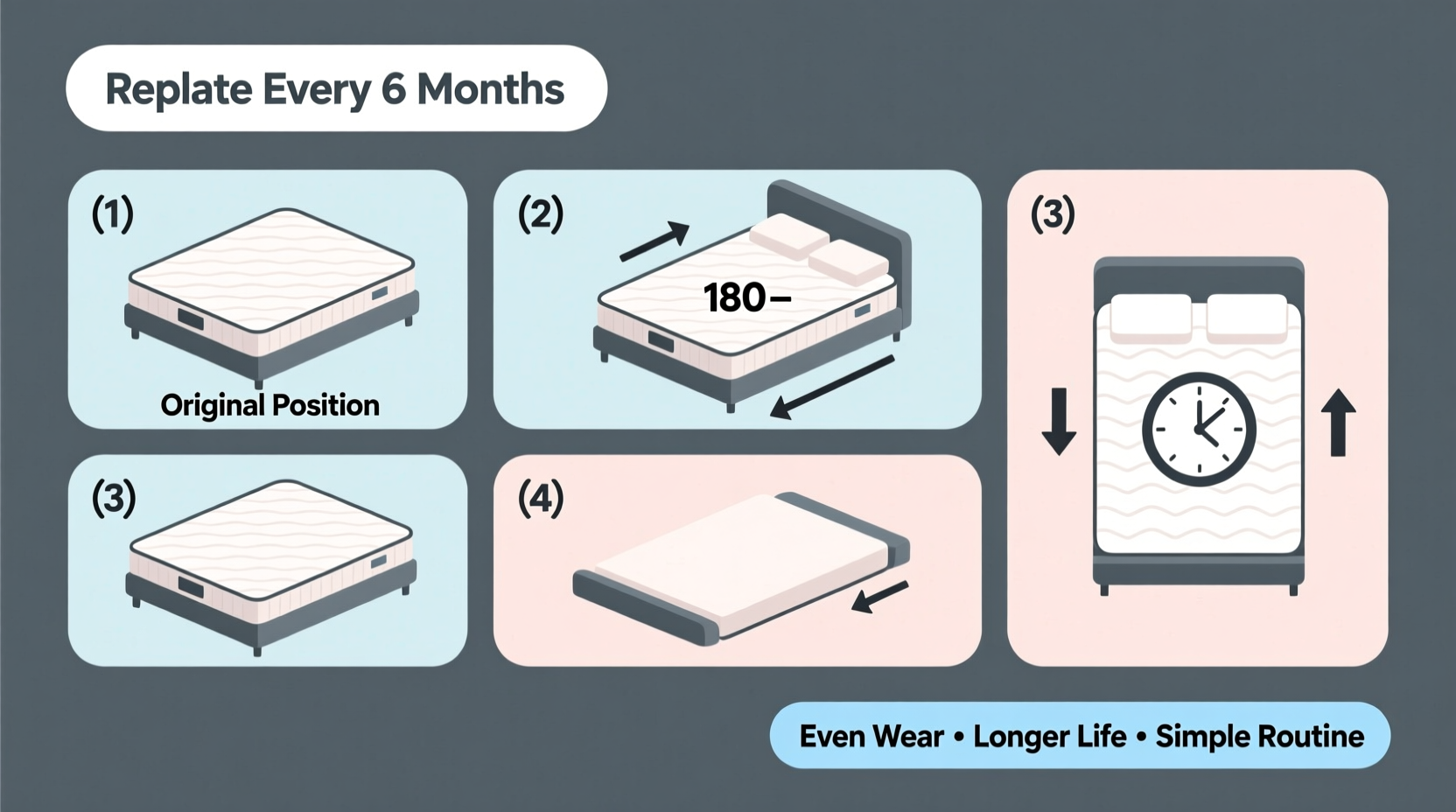
Mattresses are not designed to endure constant pressure on the same areas. Every night, your body compresses specific zones—typically under the hips and shoulders—causing materials like memory foam, polyfoam, and coil systems to break down faster in those spots. Without intervention, this results in permanent indentations and reduced spinal alignment support.
Rotation helps counteract this by shifting the high-pressure zones across different parts of the mattress. Think of it like rotating your car tires: regular redistribution prevents premature wear and ensures smoother performance over time.
While modern mattresses are built to last 7–10 years, improper care can shorten that lifespan by several years. According to the International Sleep Products Association (ISPA), consistent rotation can improve durability by up to 30%, especially in hybrid and innerspring models.
“Just like any mechanical or cushioned system under repeated stress, a mattress benefits from balanced load distribution. Rotation is the easiest way to achieve that.” — Dr. Lydia Chen, Sleep Ergonomics Researcher, University of Colorado
Which Mattresses Should Be Rotated?
Not all mattresses are created equal—and not all should be rotated. Some modern designs are built with a single-sided structure, meaning they’re optimized for use on one side only. Rotating or flipping these could damage their integrity.
The key is knowing your mattress type. Here’s a breakdown:
| Mattress Type | Can Be Rotated? | Can Be Flipped? | Notes |
|---|---|---|---|
| Innerspring | Yes | Yes (if double-sided) | Traditional models benefit greatly from both rotation and flipping. |
| Hybrid | Yes | No | Rotate 180°; do not flip due to foam layers on top. |
| Memory Foam | Yes | No | Rotate every 3–6 months; avoid flipping as base layer isn’t supportive. |
| Latex | Yes | Depends | Double-sided latex models can be flipped; rotate regardless. |
| Firmness-Zoned (e.g., head/feet firmness) | No | No | Designed asymmetrically—rotation disrupts intended support. |
| All-Foam (budget) | Limited | No | Low-density foam may not benefit significantly; check manufacturer guidelines. |
If you're unsure about your model, consult the care label or manufacturer’s website. Many brands now specify whether rotation is recommended and how often.
Step-by-Step Guide to Rotating Your Mattress
Rotating a mattress isn’t complicated, but doing it correctly ensures safety and effectiveness. Follow these steps to get it right:
- Prepare the area: Clear space around the bed. Remove all bedding, including fitted sheets, mattress protectors, and toppers. This gives you full access and prevents dragging fabric across the floor.
- Enlist help: Mattresses are heavy and awkward. Always have at least one other person assist. Attempting this alone increases risk of back strain or dropping the mattress.
- Check for labels: Look for tags indicating “Head” and “Foot” or rotation instructions. If marked, rotate so the head becomes the foot (180-degree turn).
- Lift and turn: Standing at the foot of the bed, one person lifts while the other guides. Rotate the mattress 180 degrees so the end that was near the headboard now faces the footboard. Do not twist or bend the mattress.
- Reposition on the foundation: Align the mattress precisely on the box spring or platform. Ensure no overhang and that corners fit snugly.
- Inspect and clean: While the mattress is exposed, check for stains, wear, or pests. Vacuum the surface with an upholstery attachment and spot-clean if needed using a mild detergent solution.
- Replace bedding: Remake the bed with fresh linens. Consider washing your sheets and protector during this maintenance window.
For heavier models (e.g., hybrids over 12 inches tall), consider using slide sheets or furniture sliders to reduce friction during movement. Never drag a mattress across the floor—this can damage both the material and your flooring.
Common Mistakes to Avoid
Even well-intentioned maintenance can go wrong. Here are frequent errors people make when rotating their mattress:
- Rotating too frequently: More isn’t always better. Excessive turning can destabilize internal components, especially in coil systems. Stick to every 3–6 months unless otherwise advised.
- Flipping a non-flippable mattress: Putting the base side up compromises support and voids warranties. Only flip if explicitly allowed by the manufacturer.
- Ignoring the foundation: A warped or broken box spring undermines mattress longevity. Inspect and replace the foundation if it shows signs of wear.
- Skipping cleaning: Rotation is the perfect opportunity to deep-clean. Skipping this step allows dust mites, dead skin, and allergens to accumulate.
- Rotating without checking for wear: Use the moment to assess for sagging deeper than 1.5 inches, which may indicate it’s time for replacement regardless of rotation.
Real-Life Example: The Johnson Family’s 8-Year Mattress
The Johnsons bought a queen-sized hybrid mattress in 2016. At the time, they were told it would last about seven years. Instead of replacing it in 2023, they’re still using it comfortably—thanks to consistent care.
They began rotating the mattress every six months, aligning it with seasonal changes. Each time, they vacuumed the surface and aired out the bedroom. They also used a breathable mattress protector to prevent sweat and spills from degrading the foam layers.
In 2022, they noticed slight softening in the center third. Rather than ignore it, they adjusted their rotation pattern slightly—alternating between full 180-degree turns and shifting position side-to-side (if space allowed)—to further diversify pressure points.
By 2024, the mattress showed minimal sagging and continued to provide adequate support. Their diligence saved them over $1,200 in premature replacement costs and reduced household waste.
“We didn’t think a five-minute task twice a year could make such a difference,” says Maria Johnson. “Now it’s just part of our home routine, like changing HVAC filters.”
Rotation vs. Flipping: Know the Difference
Many people confuse rotation with flipping, but they’re distinct actions:
- Rotation: Turning the mattress 180 degrees so the head end becomes the foot end. This is beneficial for nearly all two-sided and single-sided mattresses (except asymmetrical ones).
- Flipping: Turning the mattress over so the top becomes the bottom. Only suitable for double-sided models. Most modern mattresses are not designed for flipping.
For example, a memory foam mattress has a comfort layer on top and a dense base below. Flipping it would place the soft foam on the bottom, eliminating pressure relief and potentially causing back pain.
However, older innerspring or dual-firmness latex models were built to be flipped. These often feel firmer on one side and softer on the other, allowing users to adjust firmness preference over time.
When in doubt, stick to rotation only—and confirm compatibility through your product manual.
Additional Care Tips for Maximum Longevity
Rotation is powerful, but it works best as part of a broader mattress care strategy. Combine it with these practices:
- Use a proper foundation: Box springs, slatted bases, or platforms must provide even support. Gaps wider than 3 inches can cause sagging.
- Invest in a protector: Waterproof or hypoallergenic covers shield against spills, sweat, and dust mites without affecting breathability.
- Avoid sitting on the edges: Regular edge compression weakens perimeter coils or foam, leading to premature breakdown.
- Keep pets off the bed: Claws and concentrated weight accelerate surface wear.
- Ventilate the room: Moisture buildup fosters mold and degrades adhesives. Use a dehumidifier in damp climates.
“A mattress lasts longest when treated like a precision-support system, not just a piece of furniture.” — Neil Patel, Senior Product Engineer at Restwell Sleep Systems
FAQ: Common Questions About Mattress Rotation
How often should I rotate my mattress?
Every 3 to 6 months is ideal. For average use, twice a year (spring and fall) strikes the right balance between maintenance and practicality.
Can I rotate a memory foam mattress?
Yes—but only rotate, do not flip. Turn it 180 degrees every six months to redistribute wear across the foam layers.
What if my mattress is too heavy to move?
If physical limitations prevent safe rotation, consider a lighter-weight model next time. Alternatively, some manufacturers offer rotational assistance programs or recommend professional movers for high-end beds.
Does rotating really make a difference?
Yes. Independent tests show that regularly rotated mattresses retain 20–30% more thickness in high-pressure zones after five years compared to neglected ones.
Final Checklist: Your Mattress Maintenance Routine
Stay on track with this simple checklist:
- Every 3–6 months:
- ✅ Rotate mattress 180 degrees
- ✅ Vacuum surface and seams
- ✅ Inspect for sagging or stains
- ✅ Wash mattress protector and bedding
- Annually:
- ✅ Check foundation stability
- ✅ Evaluate overall comfort and support
- ✅ Review manufacturer care guidelines
- As needed:
- ✅ Spot-clean spills immediately
- ✅ Replace protector if damaged
- ✅ Address persistent odors with baking soda treatment
Conclusion: Small Effort, Lasting Results
Rotating your mattress is a small act with outsized benefits. It costs nothing, takes minutes, and can add years to your sleep surface. Beyond extending lifespan, it promotes consistent comfort, better spinal alignment, and improved sleep quality over time.
Like brushing your teeth or servicing your car, mattress rotation is preventive care. It protects your investment, supports your health, and reduces environmental impact by delaying disposal.




 浙公网安备
33010002000092号
浙公网安备
33010002000092号 浙B2-20120091-4
Comments
No comments yet. Why don't you start the discussion?