
A mattress is one of the most important investments you make for your health and well-being. Yet, unlike other household items, it often goes unnoticed—until discomfort sets in. Over time, consistent pressure from your body weight causes uneven wear, leading to soft spots, dips, and sagging. The solution? A simple, routine maintenance practice: rotating your mattress.
Rotating your mattress redistributes wear and helps maintain even support across its surface. When done correctly and consistently, this habit can significantly extend the lifespan of your bed, improve sleep quality, and delay the need for replacement. Despite its benefits, many people overlook or misunderstand the process. This guide breaks down everything you need to know about rotating your mattress—from timing and technique to exceptions and expert insights.
Why Mattress Rotation Matters
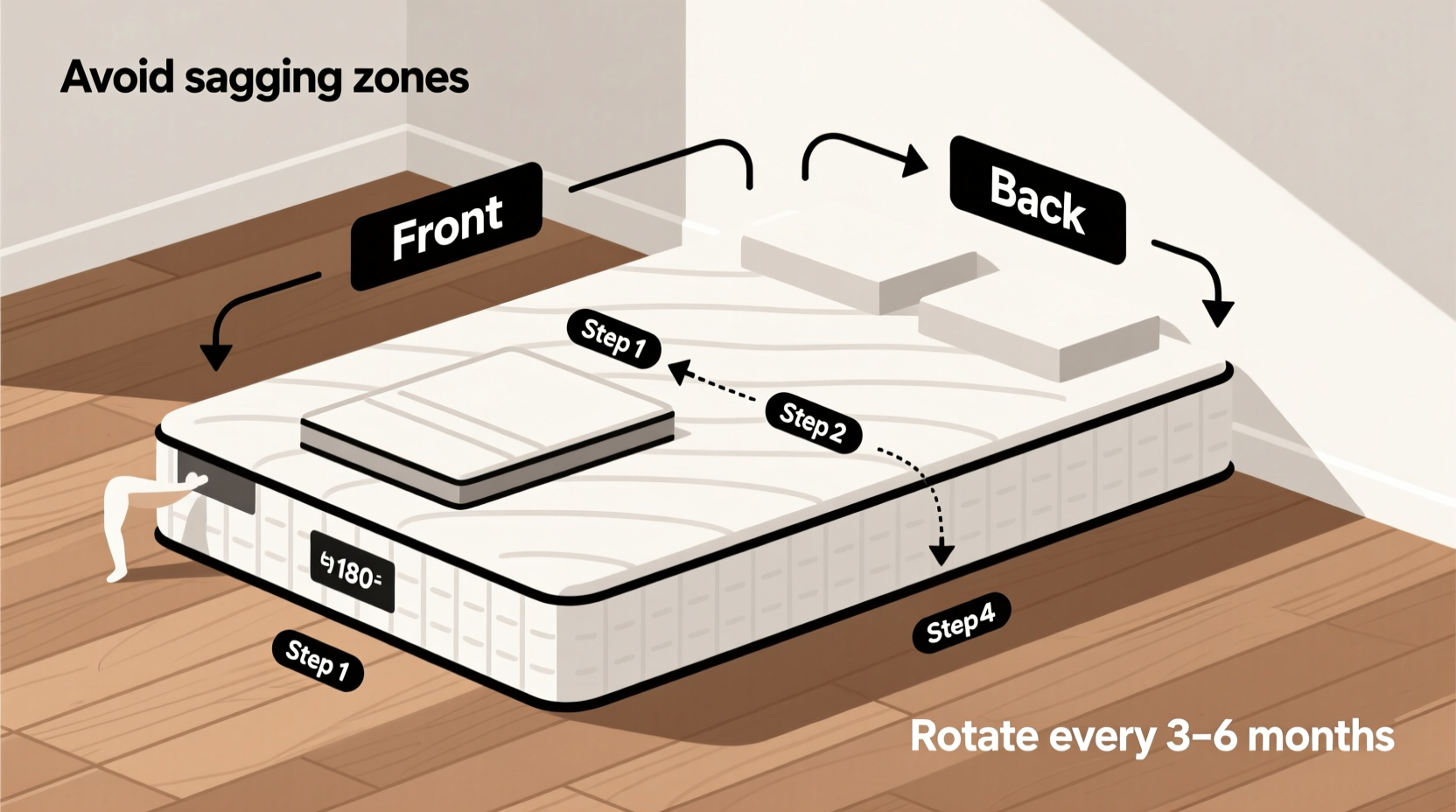
Mattresses are engineered to provide balanced support, but they aren’t immune to wear. Every night, your body applies concentrated pressure to specific zones—typically the midsection where hips and shoulders rest. Over months and years, this repeated stress compresses foam layers, weakens springs, and deforms padding, especially in innerspring and memory foam models.
Without rotation, these compression points become permanent. Sagging develops, alignment suffers, and what once felt supportive turns lumpy or unbalanced. Rotation mitigates this by shifting high-wear areas to less-used zones, allowing compressed materials time to recover and distributing load more evenly.
Think of it like rotating tires on a car. Just as uneven tire wear leads to poor handling and shorter tread life, an unrotated mattress leads to inconsistent support and premature breakdown. Regular rotation is not a luxury—it’s preventive maintenance.
How Often Should You Rotate Your Mattress?
The ideal rotation frequency depends on your mattress type, usage, and manufacturer recommendations. However, general guidelines exist based on material composition and structural design.
| Mattress Type | Rotation Frequency | Notes |
|---|---|---|
| Innerspring | Every 3–6 months | Prone to coil sag; regular rotation essential |
| Memory Foam | Every 6 months | Density slows wear, but pressure points still form |
| Hybrid (Foam + Springs) | Every 3–6 months | Combines vulnerabilities of both types |
| Latex | Every 6–12 months | Naturally resilient; slower to compress |
| Firm Foundation/Adjustable Base | Not applicable | These are bases, not sleeping surfaces |
For new mattresses, experts recommend rotating every three months during the first year. This establishes even settling and prevents early deformation. After the first year, you may reduce frequency to twice a year unless signs of uneven wear appear.
“Regular rotation can add two to three years to a mattress’s usable life. It’s one of the simplest yet most overlooked maintenance tasks.” — Dr. Rebecca Langford, Sleep Ergonomics Researcher, National Sleep Foundation
Step-by-Step Guide to Rotating Your Mattress
Rotating a mattress isn’t complicated, but doing it correctly ensures maximum benefit and safety. Follow this timeline-based method for best results:
- Choose the Right Time: Pick a day when you don’t need the bed immediately—like during laundry day or a weekend deep clean.
- Strip the Bed: Remove all sheets, protectors, and toppers. This gives you full access and lets you inspect the surface.
- Check for Labels: Look for manufacturer tags indicating “Do Not Flip” or “Rotate Only.” Most modern mattresses are single-sided.
- Clear the Area: Move nightstands or furniture blocking access to either end of the bed frame.
- Lift and Turn: With help (mattresses can weigh 50–150 lbs), lift one end and rotate it 180 degrees so the head becomes the foot.
- Reposition Carefully: Align the mattress back onto the foundation or box spring without dragging, which can damage fabric or seams.
- Vacuum and Inspect: Use a brush attachment to clean dust, dead skin, or debris. Check for stains, tears, or developing sags.
- Reset the Bed: Replace linens and note the date of rotation in a home maintenance log or calendar.
Repeat this process according to your mattress type. If you share the bed, coordinate with your partner to ensure consistency. Setting a recurring reminder on your phone every six months can help maintain the schedule.
Flip vs. Rotate: Understanding the Difference
A common point of confusion is whether to flip or rotate a mattress. The two are not interchangeable:
- Rotation (180° turn): Swaps the head and foot ends while keeping the same side up. This is standard for most modern mattresses.
- Flipping (180° turn + upside down): Inverts the mattress entirely, using both sides. Only possible with double-sided models.
Most contemporary mattresses—especially memory foam, pillow-top, and hybrid designs—are built with a single comfort layer on top and should never be flipped. Flipping them can compromise support, cause discomfort, and void warranties. Always consult your owner’s manual or manufacturer website before attempting to flip.
Some older innerspring models and certain European-style latex beds are double-sided and designed for flipping. These benefit from both rotation and flipping on alternating cycles—rotate every 3 months, flip every 6.
Signs Your Mattress Needs Attention
Even with proper rotation, wear eventually occurs. Watch for these red flags that indicate deeper issues:
- Visible sagging deeper than 1.5 inches in the center or shoulder zone
- Waking up with back or neck pain that wasn’t present before
- Feeling coils or internal components through the surface
- Noticeable body impressions lasting longer than 60 days after no use
- Excessive noise (creaking springs) when moving
If you notice any of these, rotation alone may not be enough. Consider adding a high-quality mattress topper for temporary relief or evaluating replacement options. Most mattresses last 7–10 years with proper care—but only if maintained.
Mini Case Study: Sarah’s Sagging Memory Foam Mattress
Sarah, a 38-year-old teacher from Portland, began experiencing lower back pain after five years of using her memory foam mattress. She assumed age was the culprit and considered buying a new bed. Before doing so, she consulted a sleep clinic technician who asked one simple question: “When did you last rotate your mattress?”
Sarah realized she had never rotated it. Following the technician’s advice, she rotated the mattress 180 degrees and added a firm latex topper. Within two weeks, her morning stiffness improved dramatically. Upon inspection, the original underside showed minimal compression compared to the worn top side. By switching positions and supporting the surface, she extended the mattress’s functional life by nearly two more years—saving over $800.
This case underscores a key truth: many perceived \"failures\" in mattress performance stem from lack of basic maintenance rather than inherent defects.
What Not to Do: Common Rotation Mistakes
While rotating seems straightforward, mistakes can reduce effectiveness or even cause damage. Avoid these pitfalls:
| Don’t | Why | Do This Instead |
|---|---|---|
| Drag the mattress across the floor | Can tear fabric, damage borders, or scratch flooring | Lift and carry with assistance |
| Rotate alone if it’s heavy | Risk of back strain or dropping the mattress | Get help or use lifting straps |
| Ignore manufacturer instructions | May void warranty or harm structure | Read care guide first |
| Only spin it occasionally | Inconsistent rotation leads to patchy wear | Stick to a fixed schedule |
| Forget to clean during rotation | Dust mites and allergens accumulate unseen | Vacuum and air out the surface |
Additional Maintenance Tips for Longevity
Rotation is just one part of a comprehensive mattress care strategy. Combine it with these practices for optimal results:
- Use a supportive foundation: Box springs, slatted frames, or platform beds must provide even support. Weak or broken slats accelerate sagging.
- Invest in a protector: A waterproof, breathable mattress protector shields against spills, sweat, and dust mites without trapping heat.
- Avoid jumping or sitting on edges: Excessive force strains seams and borders, particularly in softer models.
- Allow airflow: Don’t place mattresses directly on carpet or solid platforms without ventilation gaps. Moisture buildup promotes mold and degradation.
- Rotate alongside deep cleaning: Schedule rotation with seasonal linen changes or daylight saving time shifts for consistency.
FAQ: Common Questions About Mattress Rotation
Can rotating fix an already sagging mattress?
Rotation won’t reverse existing sagging, but it can slow further deterioration by reducing continued pressure on weakened areas. For noticeable dips, consider replacing the mattress or using a supportive topper as a short-term fix.
My mattress is too heavy to rotate. What should I do?
If lifting is physically challenging, enlist a partner or hire professional movers for biannual service. Alternatively, some manufacturers offer dual-sided models designed for easier maintenance or enhanced durability for heavier individuals.
Does mattress rotation affect my warranty?
Yes—many warranties require proof of regular maintenance, including rotation. Failure to rotate as recommended may void coverage. Keep a log or take dated photos after each rotation to document care.
Conclusion: Make Rotation a Habit, Not a Chore
Your mattress works silently every night to support your spine, cushion your joints, and promote restful sleep. In return, it deserves more than occasional attention. Rotating your mattress is a quick, cost-free action that pays long-term dividends in comfort and durability.
By integrating this simple habit into your home routine, you actively prevent sagging, prolong usability, and maintain consistent support. Whether you own an innerspring, hybrid, or memory foam model, proper rotation preserves integrity and maximizes value.




 浙公网安备
33010002000092号
浙公网安备
33010002000092号 浙B2-20120091-4
Comments
No comments yet. Why don't you start the discussion?