
Dogs, like humans, rely on a balanced gut microbiome to support digestion, immunity, and overall well-being. When that balance is disrupted—due to stress, dietary changes, antibiotics, or illness—digestive issues such as diarrhea, gas, or poor appetite can arise. One widely recommended supplement to restore gut health is Purina Pro Plan Veterinary Diets FortiFlora. Understanding how to use it safely and effectively ensures your dog receives maximum benefit without unnecessary risks.
Understanding FortiFlora: What It Is and How It Works
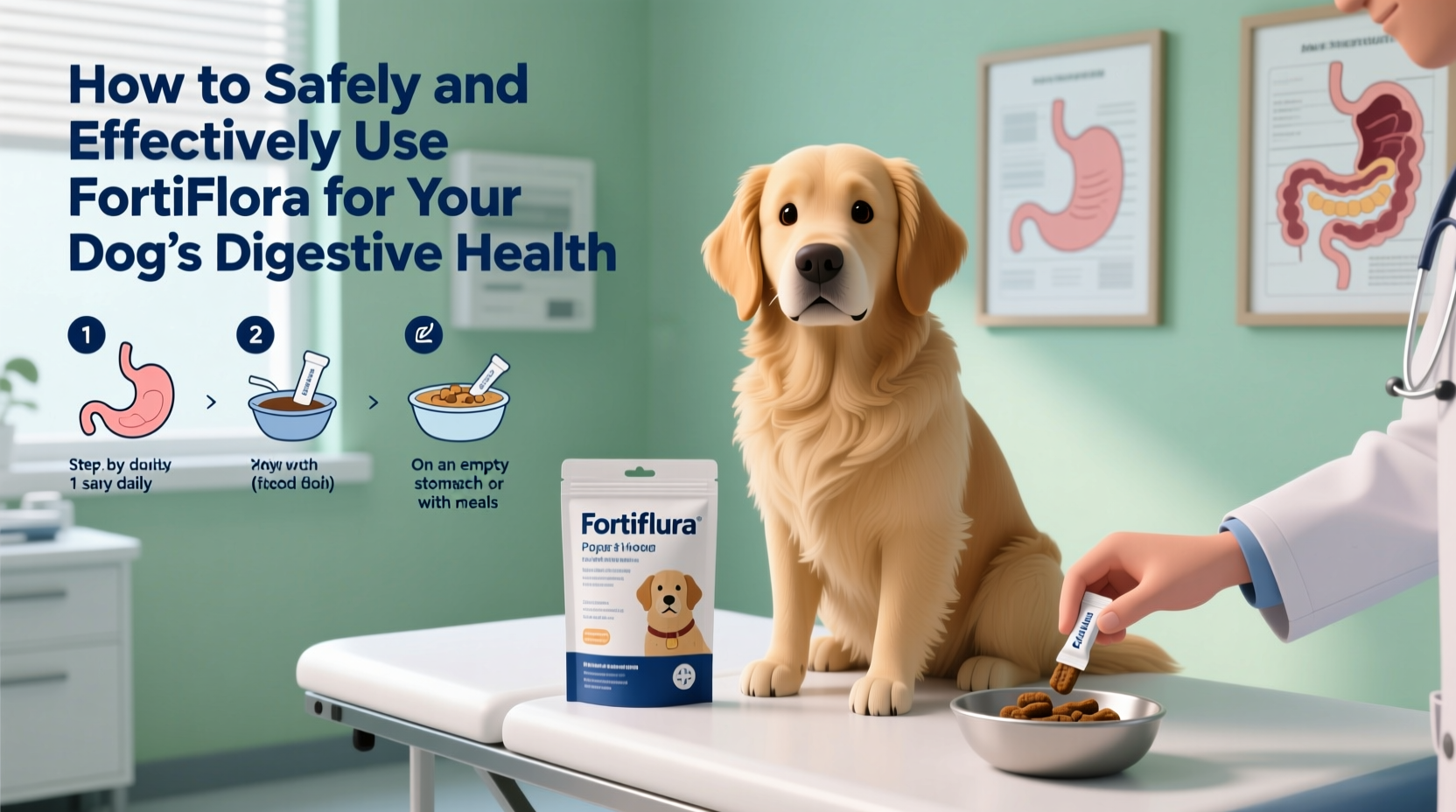
FortiFlora is a probiotic supplement specifically formulated for dogs. Each packet contains a proprietary strain of live microorganisms, primarily Enterococcus faecium, along with vitamins, antioxidants, and prebiotic fibers. Unlike generic probiotics, FortiFlora has been clinically tested and shown to help stabilize the intestinal environment, support immune function, and promote healthy stool quality.
The mechanism behind FortiFlora involves replenishing beneficial bacteria in the gut. When harmful bacteria outnumber good ones—often after antibiotic use or during periods of stress—the digestive tract becomes vulnerable. FortiFlora helps tip the balance back in favor of beneficial microbes, reducing inflammation and improving nutrient absorption.
“Probiotics like those in FortiFlora are not just for treating diarrhea—they play a preventive role in maintaining gut resilience.” — Dr. Laura Greenspan, DVM, Board-Certified Small Animal Internist
When to Use FortiFlora: Common Scenarios and Benefits
FortiFlora isn’t only for dogs already experiencing digestive upset. It’s also effective as a preventive measure in high-risk situations. Here are some key times when using FortiFlora makes sense:
- During and after antibiotic treatment: Antibiotics don’t distinguish between good and bad bacteria, often wiping out essential gut flora. Starting FortiFlora alongside antibiotics (with veterinary approval) can reduce the risk of secondary diarrhea.
- Travel or boarding: Changes in environment, routine, and diet can trigger gastrointestinal stress. Administering FortiFlora a few days before and during travel supports digestive adaptation.
- Diet transitions: Switching foods—even to a higher-quality brand—can cause temporary digestive imbalance. FortiFlora eases the transition by stabilizing the microbiome.
- Chronic soft stools or irregular bowel movements: For dogs with recurring mild digestive issues, daily FortiFlora may improve consistency and comfort over time.
- Puppies adjusting to new homes: The stress of relocation and weaning can lead to loose stools. FortiFlora supports immune and digestive development during this sensitive period.
Step-by-Step Guide to Using FortiFlora Safely
To get the most out of FortiFlora while minimizing any potential side effects, follow this evidence-based protocol:
- Consult your veterinarian: Before starting any supplement, confirm it’s appropriate for your dog’s age, weight, and medical history. This is especially important if your dog has a compromised immune system or chronic condition.
- Check expiration date and storage: Ensure packets are unopened and within the expiration window. Store in a cool, dry place—avoid humid areas like bathrooms.
- Administer correctly: Sprinkle one entire packet directly onto your dog’s food once daily. Mix thoroughly to ensure even distribution. Do not mix with hot food, as heat can kill live cultures.
- Maintain consistency: For best results, use FortiFlora daily for at least 3–4 weeks when addressing chronic issues. For acute diarrhea, improvement is often seen within a few days.
- Monitor response: Track stool quality, appetite, energy levels, and any adverse reactions. If symptoms persist beyond 7 days or worsen, contact your vet.
- Taper gradually if needed: After resolving an issue, some owners continue FortiFlora for maintenance. Others discontinue it. There’s no evidence of dependency, but long-term use should be discussed with your vet.
Common Mistakes and What to Avoid
Even safe supplements can be misused. These common errors reduce effectiveness or create confusion:
| Do’s | Don’ts |
|---|---|
| Use one packet per day per dog | Double the dose hoping for faster results |
| Store in a dry, room-temperature location | Leave packets in direct sunlight or near heat sources |
| Mix with a small portion of wet or moist food | Add to boiling water or steaming meals |
| Continue for at least 3–4 weeks for chronic issues | Stop after one day if no immediate change is seen |
| Use separate packets for multiple dogs | Share one packet between two dogs |
Real-World Example: Managing Travel-Induced Diarrhea
Sophie, a 3-year-old Border Collie, always developed loose stools when visiting her grandparents’ farm. Her owner, Mark, noticed the pattern after three trips. On the fourth occasion, he consulted his vet, who recommended starting FortiFlora two days before departure and continuing throughout the stay.
Mark began administering the supplement with Sophie’s morning meal. He packed the packets separately in a small container to avoid moisture exposure. During the trip, Sophie ate normally and remained active. Notably, she did not experience any digestive upset—unlike previous visits. Mark continued FortiFlora for five days post-travel as a precaution. Since then, he uses it routinely before any major change in routine, reporting consistent results.
Frequently Asked Questions
Can I give FortiFlora to puppies?
Yes. FortiFlora is safe and commonly used in puppies as young as weaning age (around 4–6 weeks). It supports developing immune systems and helps manage stress-related diarrhea during early life transitions.
Is there a difference between the canine and feline versions?
While both contain Enterococcus faecium, the formulations differ slightly in vitamin content and flavoring. Always use the species-specific version. Giving cat-formulated FortiFlora to dogs (or vice versa) is not harmful in a single dose but should not be routine.
Are there side effects?
Side effects are rare. A small number of dogs may experience temporary gas or bloating when first starting. These usually resolve within a couple of days. If vomiting, lethargy, or loss of appetite occurs, discontinue use and consult your vet.
Maximizing Results: Tips for Long-Term Gut Health
While FortiFlora is effective, it works best as part of a broader digestive wellness strategy. Consider these complementary practices:
- Feed a high-quality, easily digestible diet: Look for limited-ingredient or novel protein formulas if sensitivities are suspected.
- Avoid sudden food changes: Transition over 7–10 days by gradually increasing new food while decreasing the old.
- Minimize environmental stressors: Provide routines, safe spaces, and mental stimulation to reduce anxiety-related gut disturbances.
- Ensure fresh water access: Hydration supports mucosal lining health and normal motility.
- Consider periodic re-evaluation: Chronic digestive issues may require diagnostics like fecal testing or dietary trials—don’t rely solely on supplements.
Conclusion
FortiFlora offers a safe, scientifically supported way to support your dog’s digestive health during times of stress, illness, or transition. When used correctly—according to label instructions and under veterinary guidance—it can reduce discomfort, shorten episodes of diarrhea, and contribute to a stronger immune response. Success lies not just in the supplement itself, but in consistent administration, proper storage, and holistic care.




 浙公网安备
33010002000092号
浙公网安备
33010002000092号 浙B2-20120091-4
Comments
No comments yet. Why don't you start the discussion?