
Keychains are more than just functional accessories—they’re personal items that often carry sentimental value, serve as fashion statements, or represent loyalty to a brand or cause. Whether it’s a polished metal fob, a leather-wrapped ring, or a colorful enamel charm, repeated handling exposes your keychain to dirt, oils, and environmental wear. Over time, this can dull its finish, cause corrosion, or degrade materials. Proper care ensures longevity and preserves aesthetic appeal. The challenge lies in cleaning effectively without damaging delicate surfaces. With the right techniques, tools, and timing, you can restore and maintain your keychain’s luster safely and consistently.
Understanding Keychain Materials and Their Sensitivities
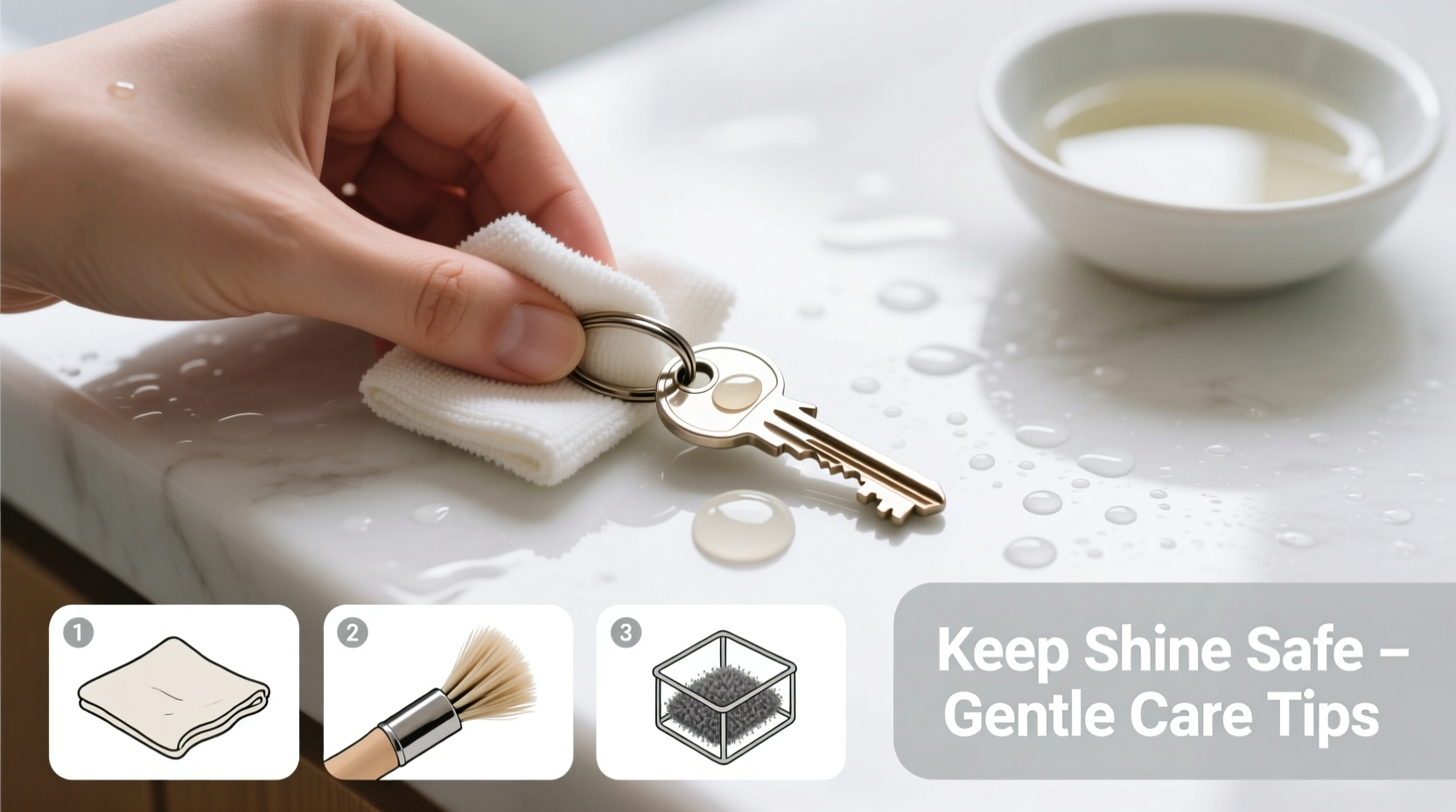
Not all keychains are created equal. The cleaning method depends heavily on the material composition. Common types include stainless steel, brass, aluminum, chrome-plated metals, leather, silicone, enamel, and plastic. Each reacts differently to moisture, abrasives, and chemicals.
For instance, untreated brass may develop a patina over time, which some find attractive, but others prefer to keep bright and reflective. Chrome plating can flake if exposed to acidic cleaners. Leather components absorb moisture and can warp or crack if not dried properly. Enamel is durable but prone to chipping under impact or harsh scrubbing.
Before any cleaning, identify the primary material. If unsure, assume sensitivity and start with the gentlest method. When in doubt, consult manufacturer guidelines—especially for branded or high-end keychains like those from luxury brands or custom artisans.
Step-by-Step Guide to Safe Cleaning by Material Type
Cleaning your keychain doesn’t require industrial products. Most effective routines use household items and take less than ten minutes. Follow these steps based on your keychain’s composition.
For Metal Keychains (Stainless Steel, Brass, Aluminum)
- Remove keys and detachable parts to avoid exposing locks or key teeth to moisture.
- Wash gently with lukewarm water and a few drops of mild dish soap using a soft-bristled toothbrush.
- Focus on crevices where grime accumulates, brushing in small circular motions.
- Rinse thoroughly under running water.
- Dry immediately with a lint-free microfiber cloth to prevent water spots or oxidation.
- For extra shine, buff lightly with a jewelry polishing cloth (not treated with chemicals).
For Chrome or Plated Finishes
Avoid vinegar, lemon juice, or abrasive pastes. These can strip the thin protective layer. Instead, dampen a cloth with soapy water, wipe gently, rinse quickly, and dry completely.
For Leather Accents
Never submerge leather in water. Dampen a corner of a soft cloth with distilled water, lightly wipe the surface, then dry with a second clean cloth. Once monthly, condition with a pea-sized amount of leather conditioner rubbed in with fingers, then buffed off after 10 minutes.
For Silicone or Rubber Keychains
These tolerate mild disinfectants. Soak in warm soapy water for 5–10 minutes, scrub with a soft brush, rinse, and air-dry flat away from direct heat.
“Over-cleaning can be as harmful as neglect. For everyday metal keychains, a thorough clean every 4–6 weeks is sufficient unless visibly dirty.” — Daniel Park, Jewelry Restoration Technician
Do’s and Don’ts: Best Practices for Long-Term Shine
| Do’s | Don’ts |
|---|---|
| Use non-abrasive cloths (microfiber or cotton) | Use steel wool, scouring pads, or stiff brushes |
| Dry immediately after washing | Leave wet or let air-dry in sunlight |
| Store in a fabric-lined box or pouch | Toss loosely into pockets or bags with coins |
| Condition leather components monthly | Apply excessive oil or liquid to leather |
| Inspect for loose parts weekly | Ignore cracks, chips, or discoloration |
Real-Life Example: Reviving a Tarnished Gift Keychain
Mark received a personalized brass keychain from his partner during their anniversary trip. After eight months of daily use, it had darkened significantly, especially around the engraved initials. He initially tried rubbing it with a paper towel and hand sanitizer, which only smeared oils without improving shine.
Following proper guidance, he soaked the keychain (without keys) in warm soapy water for two minutes, gently brushed the engraving with a soft toothbrush, rinsed, and dried it completely. He then used a dedicated brass polishing cloth—available at hardware stores—for 30 seconds of light buffing. The result was immediate: the metal regained its warm glow, and the engraving became clearly visible again. Mark now cleans it every five weeks and stores it in a small velvet pouch when traveling.
This case illustrates how improper cleaning attempts can delay restoration, while correct methods yield fast, safe results.
Essential Maintenance Checklist
- ✅ Identify the keychain’s main material before cleaning
- ✅ Remove keys and separate components if possible
- ✅ Use mild dish soap and lukewarm water for general cleaning
- ✅ Use soft-bristled brush for textured or engraved areas
- ✅ Dry immediately with a microfiber cloth
- ✅ Store in a dry, cool place away from humidity
- ✅ Condition leather elements monthly
- ✅ Inspect for wear, looseness, or corrosion weekly
- ✅ Avoid exposure to perfumes, lotions, and pool chlorine
- ✅ Limit deep cleaning to once every 4–6 weeks
Frequently Asked Questions
Can I use vinegar or baking soda to clean my metal keychain?
Vinegar is acidic and can corrode softer metals like brass or aluminum over time. Baking soda is mildly abrasive and may scratch polished surfaces. While occasional use on stainless steel might be acceptable, it's safer to stick with mild soap and water. For tarnish removal, use a dedicated polishing cloth instead.
How do I remove sticky residue from a keychain?
If your keychain has adhesive residue (from labels or tape), apply a tiny amount of rubbing alcohol (70% isopropyl) to a cotton swab and gently dab the area. Do not soak. Wipe immediately with a damp cloth, then dry. Avoid alcohol on painted, enameled, or leather surfaces.
Is it safe to clean a keychain with electronic components (like trackers)?
No. Devices like Apple AirTags or Tile trackers should never be submerged or cleaned with liquids. Instead, wipe the exterior gently with a slightly damp microfiber cloth, then dry immediately. Never use sprays, solvents, or steam near electronics.
Protect Your Keychain’s Value and Appearance
Maintaining a shiny, clean keychain isn’t just about aesthetics—it’s about preserving function and sentiment. Regular, gentle care prevents buildup that can lead to permanent staining or mechanical failure. A well-kept keychain reflects attention to detail and respect for personal belongings. Whether it’s a gift, a souvenir, or a practical tool, treating it with consistent care extends its life and keeps it looking intentional, not neglected.




 浙公网安备
33010002000092号
浙公网安备
33010002000092号 浙B2-20120091-4
Comments
No comments yet. Why don't you start the discussion?