
For many cat owners, grooming is more than just routine maintenance—it’s an act of care that strengthens the bond between pet and owner. But when mats form in a cat’s fur, what begins as simple upkeep can quickly become a stressful ordeal. Mats are not only unsightly; they pull on the skin, trap moisture and debris, and can lead to skin infections or even restrict movement if left untreated. Unlike dogs, cats often resist handling, making safe detangling a delicate process. This guide walks through proven techniques to address matted fur without causing discomfort, ensuring your cat stays healthy, calm, and well-groomed.
Understanding Cat Hair Matting: Causes and Risks
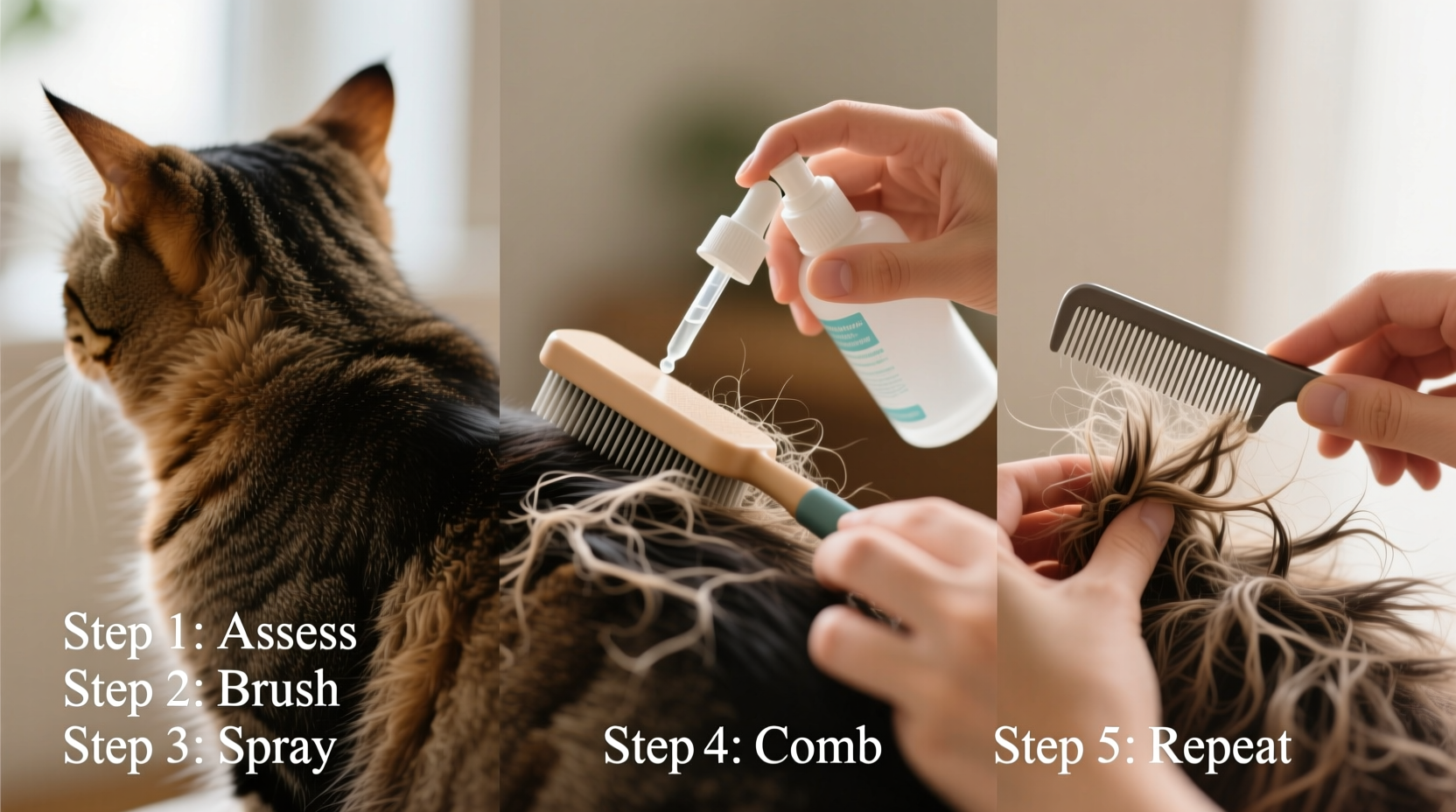
Mats occur when loose fur tangles with itself and binds tightly against the skin. Long-haired breeds like Persians, Maine Coons, and Ragdolls are especially prone, but even short-haired cats can develop localized mats behind the ears, under the legs, or along the back. Common causes include:
- Lack of regular brushing
- Obesity or limited mobility (older or arthritic cats)
- Poor health or dehydration leading to dull, brittle fur
- Excess oil production from stress or skin conditions
- Outdoor exposure to dirt, moisture, or plant matter
Left unattended, mats worsen over time. They press into the skin, creating pressure sores and providing a breeding ground for bacteria and parasites. Severe matting may require veterinary intervention, including sedation and full-body clipping. Early detection and gentle intervention are key to avoiding these outcomes.
“Mats aren’t just cosmetic issues—they’re welfare concerns. A heavily matted cat is often in discomfort, even if they don’t show obvious signs of pain.” — Dr. Lena Torres, Feline Veterinarian & Behavior Specialist
Step-by-Step Guide to Safely Detangle Matted Cat Hair
Attempting to rip out or aggressively brush mats can cause pain, panic, and long-term fear of grooming. The following method prioritizes safety, comfort, and effectiveness.
- Assess the Severity
Examine each mat gently with your fingers. If it’s small, surface-level, and doesn’t pull the skin, you may be able to work it out. If it’s large, close to the skin, or covers sensitive areas (armpits, belly), proceed with caution or consult a professional groomer. - Gather Your Tools
You’ll need a slicker brush, fine-tooth comb, blunt-tipped scissors, detangling spray (or water with a drop of conditioner), and treats for positive reinforcement. Never use human detanglers or oils—these can be toxic if ingested during self-grooming. - Calming Preparation
Choose a quiet time when your cat is relaxed. Speak softly and offer gentle strokes. Begin with areas free of mats to build trust. Work in short sessions—5 to 10 minutes max—to avoid overwhelming your cat. - Apply Detangling Spray
Lightly mist the edge of the mat. Avoid soaking the skin. Let it sit for 1–2 minutes to loosen compacted fibers. This reduces friction and makes combing safer. - Work From the Bottom Up
Start at the tip of the mat and use the comb to gently tease apart outer layers. Hold the base of the mat near the skin to prevent pulling. Move in small sections, never forcing the comb through resistance. - Cut Only When Necessary
If a mat won’t loosen after careful combing, use blunt-tipped scissors to slice it vertically—never horizontally—along the skin’s surface. Keep the blade flat and parallel to avoid nicks. For large mats, cut around the edges first, then remove the center. - Finish With a Full Brush
Once mats are removed, go over the entire coat with a slicker brush to smooth the fur and remove any remaining tangles.
Do’s and Don’ts of Mat Removal
| Do | Don’t |
|---|---|
| Use detangling sprays made specifically for cats | Use human conditioners or oils |
| Hold the base of the mat to protect the skin | Pull or yank on tangled fur |
| Cut mats vertically, parallel to the skin | Cut horizontally across the mat |
| Work in short, calm sessions | Force grooming if your cat resists |
| Seek help from a vet or groomer for severe cases | Attempt to remove large, tight mats alone |
A Real Example: Managing Matting in an Older Cat
Sophie, a 12-year-old domestic longhair, began developing mats along her lower back and tail base. Her owner, Maria, noticed she was grooming less and seemed stiff when moving. A vet visit ruled out arthritis but highlighted reduced flexibility. Maria started daily 5-minute grooming sessions using a fine comb and cat-safe detangler. She focused on one small area each day, rewarding Sophie with treats and affection. After two weeks, all mats were gone, and Maria now maintains a twice-weekly brushing routine. “She purrs during grooming now,” Maria said. “It’s become our bonding time instead of a battle.”
Prevention Checklist: Keeping Your Cat Tangle-Free
Regular maintenance is far easier than treating advanced matting. Use this checklist to stay ahead:
- ✅ Brush long-haired cats daily; short-haired cats 2–3 times per week
- ✅ Focus on high-friction zones: behind ears, underarms, belly, and tail base
- ✅ Use the right brush: slicker for top layer, undercoat rake for dense fur
- ✅ Bathe only when necessary—over-bathing strips natural oils and increases tangling
- ✅ Monitor weight and mobility—help overweight cats access grooming spots
- ✅ Schedule professional grooming every 3–4 months for high-risk breeds
Frequently Asked Questions
Can I shave my cat at home to remove mats?
Only if you have experience and proper clippers designed for pets. Household razors or electric trimmers can easily nick thin cat skin, especially in sensitive areas. For extensive matting, a professional groomer or veterinarian is safer. Shaving should be a last resort, not a routine solution.
My cat hates being brushed. What can I do?
Start slowly. Use a soft glove or finger brush for brief touches, pairing each stroke with a treat. Gradually increase duration as your cat becomes comfortable. Avoid forcing contact—this builds fear. If anxiety persists, consult a vet behaviorist for desensitization strategies.
Are mats painful for cats?
Yes. Even small mats pull on the skin with every movement. Larger mats can cut off circulation, cause sores, and harbor pests. Cats often hide discomfort, so behavioral changes—like reduced grooming, irritability, or reluctance to jump—are red flags.
Conclusion: Gentle Care for a Healthier, Happier Cat
Detangling matted cat hair isn’t just about appearance—it’s a vital part of feline wellness. By approaching the task with patience, the right tools, and a focus on comfort, you can turn a potentially traumatic experience into one of trust and care. Prevention through consistent grooming is the most effective strategy, reducing the risk of pain and costly vet visits down the line. Whether your cat is young or senior, long-haired or short, proactive attention to their coat pays dividends in health and happiness.




 浙公网安备
33010002000092号
浙公网安备
33010002000092号 浙B2-20120091-4
Comments
No comments yet. Why don't you start the discussion?