
Decorating a Christmas tree is one of the most cherished holiday traditions, but it comes with challenges—especially when working with a slim artificial tree. These tall, narrow trees offer an elegant silhouette and fit well in smaller spaces, but their delicate branches aren’t always built to support heavy ornaments. Without proper care, the limbs can bend, break, or droop under the weight, ruining both the look and structure of the tree.
The good news is that with the right strategies, you can enjoy a fully decorated, visually balanced tree—even if your ornaments are on the heavier side. From understanding tree construction to selecting the best hanging methods, this guide walks through every step to ensure your slim artificial tree stays pristine while showcasing your favorite decorations.
Understand Your Tree’s Structure and Limits
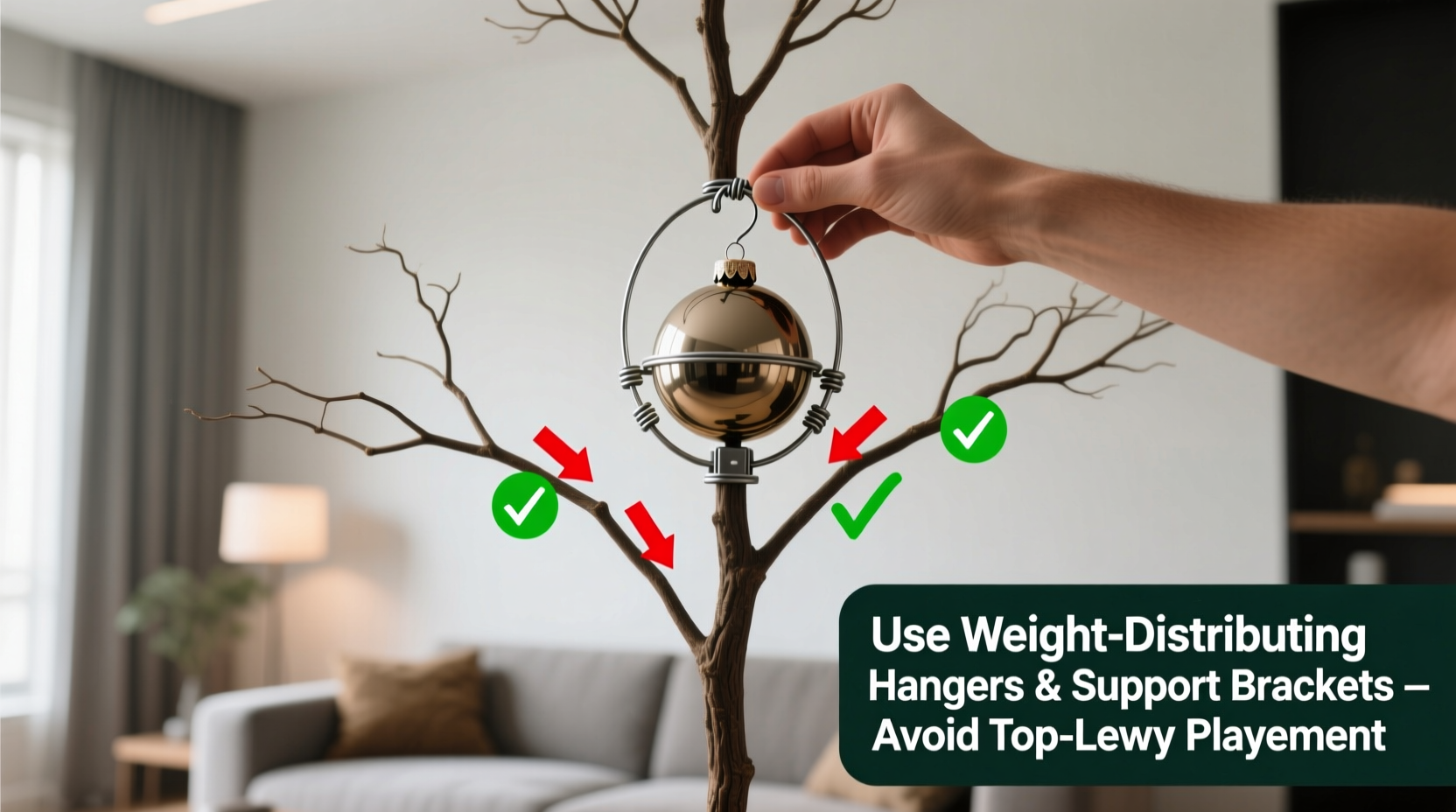
Slim artificial trees typically have fewer branches than full-profile models, which means each limb bears more responsibility in supporting ornaments. Most are made with metal or plastic frames covered in PVC or PE (polyethylene) foliage. The core trunk is usually steel or thick plastic, but the outer branches are often thin wire coated in plastic or fabric.
These materials are designed for light to moderate decoration loads. Overloading a single branch—or clustering too many heavy items on one side—can cause permanent warping. Before hanging anything, assess your tree’s build quality:
- Check branch flexibility: Gently press down on a few mid-level branches. If they spring back quickly, they’re likely strong enough for moderate weights. If they sag or don’t rebound, they’re more fragile.
- Review manufacturer guidelines: Many tree manuals specify weight limits per branch or section. Look for these details online if the printed guide is lost.
- Inspect the frame: A sturdy central pole and reinforced branch connectors indicate better weight distribution.
“Slim trees are architectural showpieces, but they weren’t made for museum-worthy glass heirlooms. Distribute weight like you're balancing a mobile.” — Daniel Reyes, Holiday Display Designer & Former Theme Park Decorator
Choose the Right Ornaments and Distribute Weight Strategically
Not all ornaments are created equal. While vintage glass balls or hand-blown figurines add charm, they can weigh several ounces each—more than some branches can handle over time. The key isn’t to eliminate heavy pieces, but to use them wisely.
Begin by sorting your ornaments into three categories:
| Weight Class | Average Weight | Recommended Placement |
|---|---|---|
| Light | Under 1 oz (28g) | Outer tips, flexible limbs |
| Medium | 1–3 oz (28–85g) | Middle branches, near trunk |
| Heavy | Over 3 oz (85g) | Inner core, strongest supports only |
Once categorized, plan your layout. Avoid placing multiple heavy ornaments on adjacent branches, especially at eye level where visual balance matters most. Instead, stagger them vertically and rotate around the tree to maintain even weight distribution.
For particularly valuable or dense ornaments, consider using replicas or downsized versions on the tree itself, reserving the originals for display elsewhere—like a mantel or shadow box.
Use Reinforced Hanging Techniques
The method you use to hang an ornament can make a bigger difference than its actual weight. Standard ribbon hooks or flimsy plastic hangers increase leverage and stress on weak points. Upgrade to techniques that reduce strain and anchor securely.
1. Metal Ornament Hooks with Wide Bends
Opt for sturdy bent-wire hooks (often labeled “heavy-duty”) that wrap around the branch rather than just hooking over the tip. The wider curve spreads pressure across more surface area, reducing the chance of snapping or creasing.
2. Twist-Tie Support System
For extra-heavy ornaments, use insulated copper or floral wire (22–24 gauge). Wrap it tightly around the branch, then twist the ends upward to form a secure loop. Hang the ornament from this loop instead of the branch directly.
“We used this method at Rockefeller Center for special display pieces. It’s invisible from below and prevents limb fatigue.” — Daniel Reyes
3. Internal Branch Bracing
If your tree has hollow metal branches, insert a short piece of wooden dowel or stiff plastic rod inside the limb before hanging weight. This adds internal support and prevents bending at stress points.
4. Suspend from Above with Fishing Line
For dramatic centerpieces—like large stars, snowflakes, or lanterns—attach clear fishing line (10–15 lb test) to the ceiling hook or top of the tree frame. Let the ornament hang freely without touching any branches. This removes load entirely while creating a floating effect.
Step-by-Step: Safe Heavy Ornament Installation Process
Follow this sequence to decorate your slim tree with confidence and precision:
- Assemble and shape the tree completely. Fluff all branches evenly and ensure the stand is stable on a level surface.
- Sort ornaments by weight and size. Use small containers or trays to keep categories separate.
- Start with lights and garlands. Distribute evenly to add minimal weight and establish visual flow.
- Place lightweight ornaments first. Focus on outer limbs and fill in gaps toward the center.
- Identify strong anchor zones. These are inner branches connected directly to the central pole or thicker support arms.
- Prepare heavy ornaments with appropriate hangers. Use metal hooks or wire loops as needed.
- Hang heaviest items last, rotating placement. Place one heavy ornament, step back, then choose the next spot on the opposite side and higher or lower level.
- Test stability daily for the first week. Gently nudge branches to check for movement or sagging. Adjust as needed.
This methodical approach prevents overloading and ensures symmetry. It also allows you to catch structural issues early, before damage occurs.
Real Example: Decorating a 7.5-Foot Slim Tree with Heirloom Ornaments
Sarah M., a homeowner in Portland, inherited a collection of European glass ornaments from her grandmother. Weighing between 3.5 and 5 ounces each, they were too heavy for her new 7.5-foot slim tree’s outer branches. After two seasons of drooping limbs and broken baubles, she consulted a local holiday decorator.
The solution? She began using 24-gauge green floral wire to create custom loops on the sturdiest inner branches. She reserved only three of the heaviest pieces for the tree—placing them at different heights and opposite sides—and displayed the rest in a nearby glass cabinet. She also switched to thinner, flexible ornament hooks and added a top-suspension line for a 12-inch crystal star.
Result: A stunning, balanced tree with no bent limbs after six weeks of display. “I finally feel safe leaving it up through January,” she said.
Common Mistakes That Damage Slim Trees
Avoid these frequent errors that compromise tree integrity:
- Hanging too many ornaments on one branch – Even light ones add up. Limit to 2–3 per outer limb.
- Using wide-loop ribbon hangers – These act as levers, increasing downward force on weak tips.
- Placing heavy items at the end of long, thin branches – Maximum leverage = maximum risk of breakage.
- Ignoring temperature and humidity – Heat from lights or vents can soften plastic coatings, making branches more pliable and prone to sagging.
- Skipping pre-lighting setup – Adding heavy ornaments over tangled wires increases handling stress and misplacement.
Essential Checklist for Safe Heavy Ornament Use
Before you begin decorating, run through this checklist to protect your tree:
- ✅ Inspect all branches for prior damage or weakness
- Look for kinks, cracks, or loose connections.
- ✅ Sort ornaments by weight
- Label or group them to streamline placement.
- ✅ Stock up on heavy-duty hanging supplies
- Include metal hooks, floral wire, fishing line, and scissors.
- ✅ Identify primary support branches
- Mark them mentally or with removable tape.
- ✅ Test hanging method on one branch first
- Observe for 24 hours before proceeding.
- ✅ Rotate heavy ornament positions annually
- Prevent repetitive stress on the same limbs.
Frequently Asked Questions
Can I use Command hooks on my artificial tree?
No. Adhesive hooks are not suitable for artificial trees. They won’t adhere properly to plastic or fabric-coated branches and may leave residue or pull off material when removed. Stick to mechanical hangers like wire or metal hooks.
What’s the maximum safe weight per branch?
Most slim tree branches can safely hold 3–4 ounces total, including lights and multiple ornaments. However, this depends on branch thickness and angle. When in doubt, stay under 2 ounces per outer limb and reserve heavier loads for inner supports.
My tree limbs are already bent. Can I fix them?
Minor bends in wire-frame branches can sometimes be reshaped by gently twisting them back into position. For severe kinks, use low heat (like a hair dryer on low) to soften the plastic coating, then slowly reposition. Allow to cool in place. Prevention is far more effective than repair.
Final Tips for Long-Term Tree Health
Treating your slim artificial tree with care extends its life for years. After the holidays, remove ornaments carefully, starting from the outside in. Store the tree in sections, using branch compression straps to prevent crushing. Keep it in a breathable storage bag in a climate-controlled space.
Consider labeling heavy ornaments with small tags indicating their weight class. This makes future decorating faster and safer. You might also photograph your ideal setup each year as a reference for balanced placement.
Conclusion
Hanging heavy ornaments on a slim artificial tree doesn’t have to mean sacrificing beauty for safety. By understanding your tree’s limits, choosing smart hanging methods, and distributing weight with intention, you can create a festive, durable display that holds up throughout the season—and for many holidays to come.




 浙公网安备
33010002000092号
浙公网安备
33010002000092号 浙B2-20120091-4
Comments
No comments yet. Why don't you start the discussion?