
Apple enthusiasts and tech-savvy users often look forward to testing new features before they're officially released. The iOS 18 beta offers a first look at upcoming innovations, from redesigned AI-powered tools to enhanced privacy settings. However, installing beta software comes with risks—instability, bugs, and potential data loss. Doing it right means balancing curiosity with caution. This guide walks through a secure, methodical approach to installing the iOS 18 beta on your iPhone, ensuring you get early access without compromising your daily use or personal information.
Why Install the iOS 18 Beta?
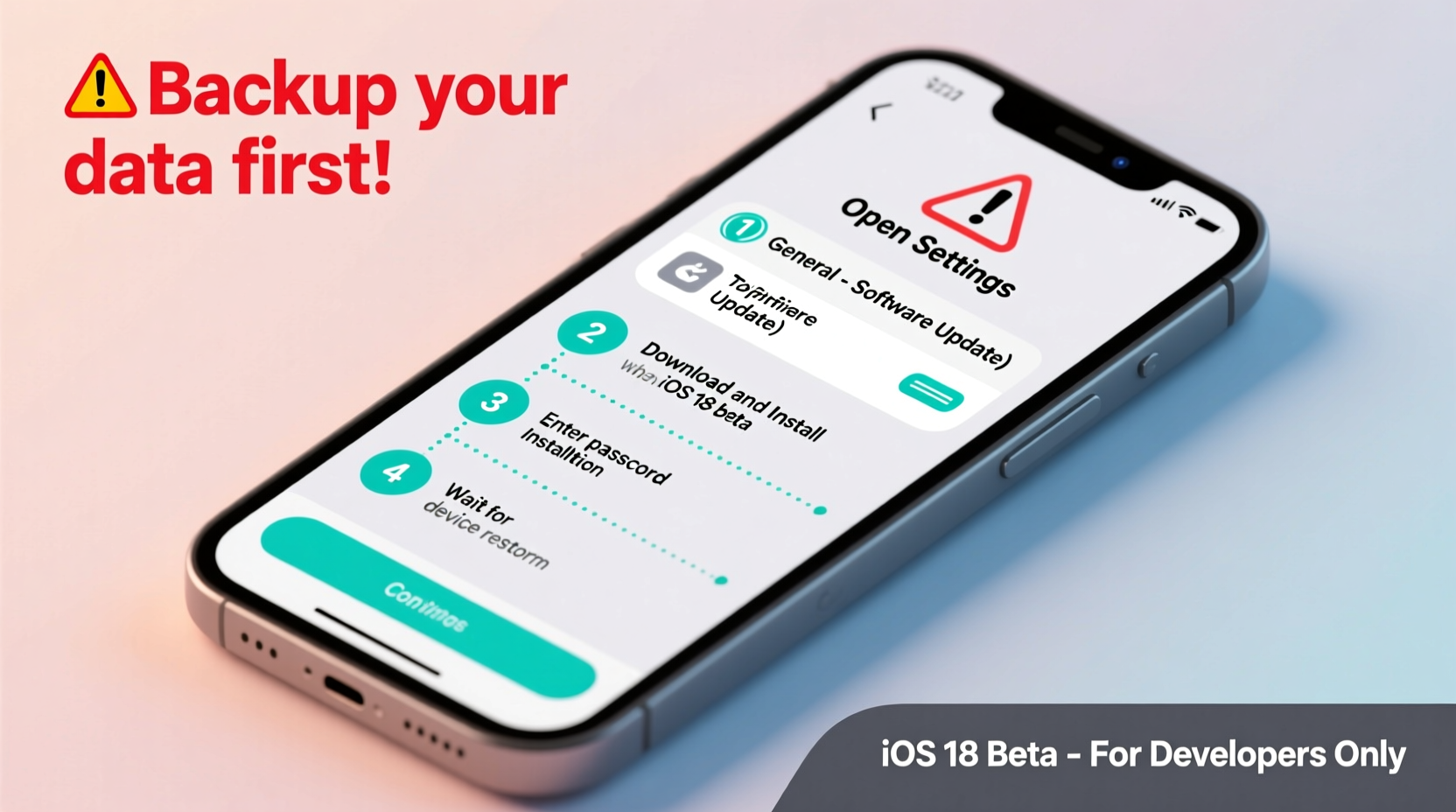
Beta versions provide a preview of Apple's latest software improvements, including performance upgrades, new interface elements, and experimental features like deeper Siri integration and generative AI in Messages. For developers, testers, and early adopters, it’s an opportunity to explore what’s coming and provide feedback to Apple. However, these builds are not fully optimized and may contain glitches that affect battery life, app compatibility, or even basic functions like messaging or calling.
The key is to treat the beta as a test environment—not your primary operating system. Installing it should be done deliberately, with safeguards in place to protect your data and maintain usability.
“Beta software is essential for refining user experience, but it should never replace stable systems for everyday users.” — Lisa Tran, Senior iOS Developer at AppFlow Labs
Step-by-Step: How to Safely Install iOS 18 Beta
Follow this sequence carefully. Skipping steps increases the risk of data loss or bricking your device. This process applies to compatible iPhones running iOS 16 or later, including iPhone 11 and newer models (some features may vary by hardware).
- Back up your device – Use iCloud or Finder (on Mac) / iTunes (on Windows) to create a full backup. This ensures you can restore your phone if something goes wrong during installation.
- Ensure sufficient battery and storage – Your iPhone should have at least 50% battery and 4–6 GB of free space. The update file is large, and interruptions due to low power can corrupt the system.
- Enroll in the Apple Beta Software Program – Visit beta.apple.com using Safari on your iPhone. Sign in with your Apple ID and enroll your device under the iOS section.
- Download the beta profile – Tap “Enroll” and then “Download Profile” under the iOS section. Follow the prompts to install the configuration profile.
- Install the beta update – Go to Settings > General > Software Update. The iOS 18 beta should now appear as available. Tap “Download and Install,” agree to the terms, and wait for the process to complete.
- Restart and verify – After installation, your iPhone will reboot. Check the version under Settings > General > About to confirm it shows iOS 18 beta (e.g., iOS 18.0 Beta 1).
Essential Precautions Before You Begin
Installing beta software isn’t just about following steps—it’s about mindset. You’re opting into an unfinished product. Consider these precautions to minimize disruption:
- Use a non-primary device: If you own an older iPhone, use it for testing instead of your daily driver.
- Disable critical services temporarily: Features like Wallet, FaceTime, or iMessage might behave unpredictably. Turn off two-factor authentication via the beta device to avoid lockout issues.
- Avoid sensitive accounts: Don’t log into banking apps or password managers until stability is confirmed.
- Monitor battery and heat: Betas often cause excessive background activity. If your phone gets hot or drains quickly, consider reverting.
Do’s and Don’ts When Installing iOS 18 Beta
| Do’s | Don’ts |
|---|---|
| ✅ Back up before installing | ❌ Install on your only iPhone |
| ✅ Enroll via official Apple Beta site | ❌ Download profiles from third-party websites |
| ✅ Keep notes on bugs for feedback | ❌ Expect flawless performance |
| ✅ Report issues via Feedback Assistant | ❌ Ignore software update warnings |
Real Example: A Developer’s Experience with Early Beta Testing
Mark Rivera, an independent app developer based in Austin, installed the first iOS 18 beta on his spare iPhone 14. He wanted to test how his productivity app would perform with the new lock screen widgets. Within hours, he noticed that background refresh was draining the battery unusually fast. One morning, the phone failed to wake from sleep. He restored it using his iCloud backup without losing any data.
“I lost half a day of usage, but because I used a secondary device and had a recent backup, there was no real damage,” Mark said. “The insight I gained helped me optimize my app ahead of the public release.”
This scenario underscores the importance of preparation. Even experienced users encounter problems—but planning turns setbacks into manageable hiccups.
How to Leave the Beta and Return to Stable iOS
If you decide the beta isn’t for you—or if a future update causes major issues—you can revert to the official iOS release. However, **you cannot downgrade directly** once a beta is installed. To return to a stable version:
- Wait for Apple to release a public iOS version newer than your current beta build.
- Remove the beta profile: Go to Settings > General > VPN & Device Management, tap the “iOS Beta Software Profile,” and select “Remove Profile.”
- Back up your device again.
- Connect to a computer and use Finder (Mac) or iTunes (Windows) to restore the latest signed firmware.
Note: Apple typically stops signing older versions within days of a new release. Delaying removal could trap you on the beta track longer than intended.
Frequently Asked Questions
Can installing the iOS 18 beta void my warranty?
No, installing beta software does not void your iPhone’s warranty. Apple supports devices running beta OS versions through normal service channels. However, hardware damage caused by software-related overheating or crashes may not be covered.
Will all my apps work on iOS 18 beta?
Most apps will function, but some may crash or display layout issues due to incomplete API support. Developers often release beta-compatible updates weeks after the initial OS release. Banking, healthcare, and enterprise apps are especially prone to instability.
Is the iOS 18 beta free to install?
Yes, enrollment in the Apple Beta Software Program is completely free. There are no fees or subscriptions required. Be cautious of scams claiming otherwise.
Final Checklist Before Installing iOS 18 Beta
- Backup your data
- Complete an iCloud or computer-based backup.
- Verify device compatibility
- iOS 18 supports iPhone XS and later; check Apple’s official list.
- Free up storage
- Delete unused apps, photos, or videos to ensure 6+ GB free.
- Charge your phone
- Plug in or charge to at least 50% before starting.
- Enroll at beta.apple.com
- Only download profiles from Apple’s official site.
- Install over Wi-Fi
- Use a strong, stable connection to prevent download failures.
Conclusion: Explore Responsibly
Gaining early access to iOS 18 is exciting, but it demands responsibility. With the right preparation—backup, secondary device, and awareness of risks—you can explore new features while keeping your digital life intact. Remember, beta software is a privilege, not a necessity. It exists to improve the final product, and your careful testing contributes to a better experience for millions when the official release arrives.




 浙公网安备
33010002000092号
浙公网安备
33010002000092号 浙B2-20120091-4
Comments
No comments yet. Why don't you start the discussion?