
Bringing a new kitten into a home with an older cat can be exciting—but it also carries emotional and behavioral risks if not handled carefully. Cats are territorial by nature, and sudden introductions can lead to fear, aggression, or long-term animosity between pets. A successful integration requires patience, planning, and a structured approach that respects both animals’ instincts and comfort levels. This guide provides a comprehensive, humane method to help your older cat accept the newcomer while minimizing stress for everyone involved.
Understanding Feline Behavior During Introductions
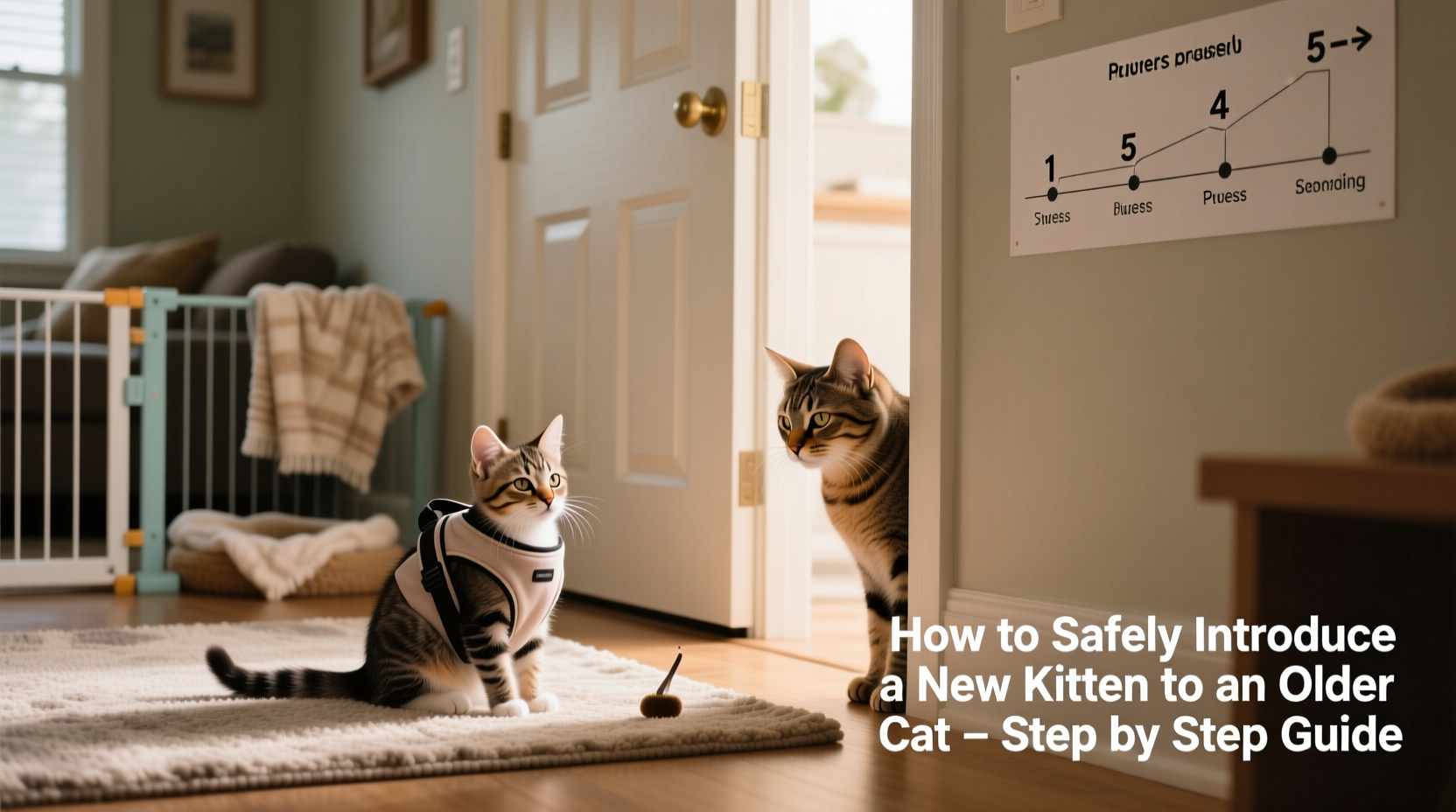
Cats rely heavily on scent, space, and routine. An older cat may perceive a kitten as an intruder disrupting their established territory. Even playful behavior from the kitten—such as pouncing or chasing—can be interpreted as threatening by a senior cat who values peace and predictability. Stress in cats can manifest through hiding, excessive grooming, loss of appetite, or even urinary marking.
The goal is not immediate friendship but gradual acclimation. Most experts agree that forcing interaction too soon increases the likelihood of conflict. Instead, a slow, scent-based introduction allows both cats to become familiar with each other’s presence without direct confrontation.
“Cats don’t naturally form colonies like dogs. When introducing cats, we’re asking them to override instinct. That takes time, structure, and respect for their boundaries.” — Dr. Sarah Thompson, DVM, Feline Behavior Specialist
Step-by-Step Introduction Timeline
A well-paced timeline prevents overwhelm and gives both cats control over their exposure. The full process can take anywhere from 7 days to several weeks, depending on temperament.
- Preparation (Day 1): Set up a separate room for the kitten with food, water, litter box, toys, and bedding. This becomes their safe zone.
- Scent Swapping (Days 2–4): Use separate cloths to wipe each cat’s cheeks (where scent glands are located), then place the cloth in the other cat’s area. Repeat daily.
- Feeding Near the Door (Days 5–7): Feed both cats on opposite sides of the closed door to the kitten’s room. This creates positive associations with proximity.
- Controlled Visual Contact (Days 8–10): Use a baby gate or cracked door so they can see but not touch each other. Monitor body language closely.
- Supervised Interactions (Days 11+): Allow short, leashed or confined meetings in a neutral space. End sessions before tension arises.
- Gradual Freedom (Weeks 3–4+): If interactions remain calm, allow increasing unsupervised time together.
Progress should never be rushed. If either cat shows signs of distress—flattened ears, hissing, tail flicking, or hiding—revert to the previous stage and extend the timeline.
Essential Supplies Checklist
Before beginning the introduction, ensure you have everything needed to support both cats physically and emotionally.
- Dedicated room for the kitten (e.g., spare bedroom or bathroom)
- Second litter box (placed away from food and sleeping areas)
- Separate food and water bowls for each cat
- Feliway diffusers or calming sprays (contain synthetic feline facial pheromones)
- Two sets of toys (to avoid resource guarding)
- Scratching posts and elevated spaces (perches or shelves)
- Soft bedding for each cat in their own zones
- Camera or monitor (optional, to observe behavior when not present)
Do’s and Don’ts During the Introduction Process
| Do’s | Don’ts |
|---|---|
| Maintain separate resources (litter, food, beds) even after integration | Force physical contact or “playdates” too early |
| Use positive reinforcement (treats, praise) during calm interactions | Punish hissing or swatting—it’s natural communication |
| Monitor body language closely during meetings | Leave them unattended until fully bonded |
| Keep routines consistent for the older cat | Neglect the older cat’s attention needs |
| Use distraction techniques (toys, treats) to redirect tension | Allow the kitten unrestricted access too soon |
Real-Life Example: Introducing Luna to Oliver
Oliver, a 10-year-old domestic shorthair, had lived alone for eight years when his owner adopted Luna, a lively 12-week-old tabby. Excited, she brought Luna straight into the living room. Oliver immediately hid under the bed and refused to eat for two days.
After consulting a vet behaviorist, the owner restarted the process correctly. She set up the guest bathroom for Luna and began scent-swapping with towels. Over the next week, she fed both cats near the closed door. By day 10, she used a baby gate for visual contact. Initially, Oliver stared silently while Luna pawed at the gate. But within three weeks of short, positive sessions, Oliver began grooming himself nearby—and eventually sniffed Luna’s paws through the bars.
Full integration took five weeks. Today, they nap within a few feet of each other and occasionally play chase. The key was respecting Oliver’s pace and not rushing the process despite Luna’s eagerness.
“Patience isn’t optional in cat introductions—it’s the foundation of success.” — Dr. Lena Ruiz, Certified Feline Consultant
Managing Common Challenges
Even with careful planning, setbacks occur. Recognizing and responding appropriately to common issues improves long-term outcomes.
Hissing and Growling: These are normal warning signals. As long as no physical attack occurs, allow the cats to express themselves. Interrupt only if escalation is imminent, using a loud clap or spray bottle (not directed at the cat).
Kitten Harassment: Young kittens often lack social boundaries. If the kitten chases or pounces excessively, intervene calmly. Redirect with toys or temporarily separate.
Litter Box Avoidance: Stress can cause either cat to eliminate outside the box. Ensure multiple litter boxes are available (one per cat plus one extra) and placed in quiet, accessible locations.
Resource Guarding: Older cats may guard food, beds, or favorite spots. Prevent this by providing duplicate resources in different areas and feeding at the same time to reduce competition.
Frequently Asked Questions
How long does it take for an older cat to accept a kitten?
There is no fixed timeline. Some cats begin tolerating each other in 2 weeks; others take 2–3 months. Factors include age, personality, past socialization, and how slowly the introduction is managed. Calm, consistent progress is more important than speed.
Should I adopt a kitten if my older cat is shy or aggressive?
Proceed with caution. Shy or highly territorial cats may struggle with any change. Consider adopting a second adult cat with a similar temperament instead. If introducing a kitten, choose one with a calm demeanor rather than an overly playful one.
Can I ever leave them alone together?
Yes—but only after weeks of consistently peaceful, supervised interactions. Start with short absences (e.g., 30 minutes) and gradually increase. Always ensure escape routes and safe spaces exist in case tension arises in your absence.
Final Tips for Long-Term Harmony
Successful introduction is just the beginning. Ongoing management ensures lasting peace.
- Continue individual attention: Spend quality one-on-one time with each cat daily, especially the older one, to prevent jealousy.
- Maintain environmental enrichment: Provide climbing structures, puzzle feeders, and window perches to satisfy natural behaviors.
- Monitor health changes: Stress can suppress immunity. Watch for changes in appetite, grooming, or litter habits in either cat.
- Re-evaluate if needed: In rare cases, cats may never fully bond. Peaceful coexistence—without fighting—is a valid and acceptable outcome.
If significant aggression persists beyond six weeks despite proper protocol, consult a certified veterinary behaviorist. They can assess underlying medical or psychological factors and recommend targeted interventions, including medication if necessary.
Conclusion: Building a Peaceful Multi-Cat Home
Introducing a new kitten to an older cat is less about forcing friendship and more about fostering tolerance and safety. With thoughtful preparation, structured steps, and deep respect for feline psychology, most cats can learn to coexist peacefully—even forming bonds over time. The effort invested in a slow, scent-led, and stress-free transition pays dividends in household harmony for years to come.




 浙公网安备
33010002000092号
浙公网安备
33010002000092号 浙B2-20120091-4
Comments
No comments yet. Why don't you start the discussion?