
Dogs are often loyal companions and beloved members of families, but even the most well-trained animal can react unpredictably under stress, fear, or territorial instinct. Whether you're jogging past a fenced yard, walking through a neighborhood with loose dogs, or unexpectedly confronted by an aggressive animal, knowing how to respond can mean the difference between a close call and serious injury. This guide outlines actionable, expert-backed strategies to help you stay safe in any dog encounter—without escalating tension or putting yourself at greater risk.
Understanding Canine Body Language
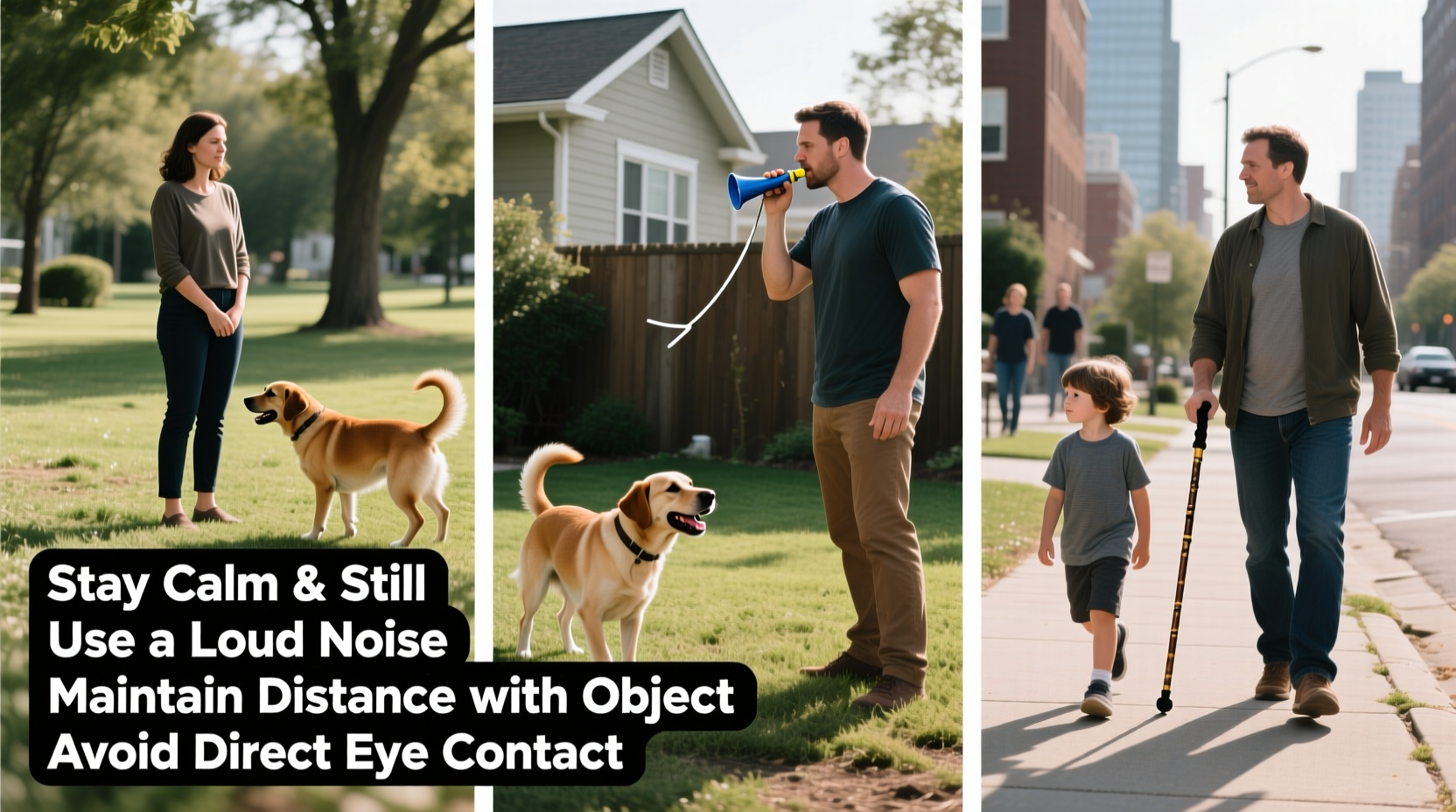
Most dog aggression is preceded by clear signals—if you know how to read them. Recognizing early signs of discomfort or threat allows you to adjust your behavior before a situation escalates. Dogs communicate primarily through posture, facial expressions, and movement.
- Stiff body posture: A rigid stance, especially with weight shifted forward, indicates alertness or readiness to act.
- Ears pinned back or forward: Forward ears may signal curiosity; flattened ears often mean fear or aggression.
- Direct eye contact: In the canine world, staring is a challenge. Avoid locking eyes with an unfamiliar dog.
- Lip curling or growling: These are unambiguous warnings. The dog feels threatened and may bite if provoked further.
- Tail position: A high, stiff tail signals dominance or arousal; a tucked tail indicates fear—but both can precede a defensive bite.
Step-by-Step Guide: What to Do During a Dog Approach
When a dog begins moving toward you, especially off-leash or in an uncontrolled environment, follow this sequence to minimize risk:
- Stop moving. Sudden motion can trigger a chase response. Stand still like a tree—hands at your sides, feet together.
- Avoid eye contact. Look slightly downward or to the side. This shows non-threatening intent.
- Stay quiet. Do not shout, scream, or make sudden noises that could startle the dog.
- Let the dog sniff you. If it approaches closely, remain calm. Most dogs will lose interest once they determine you’re not a threat.
- Back away slowly only after the dog disengages. Do not turn your back until it has moved away.
This method, endorsed by animal behaviorists, leverages a dog’s natural investigative instincts and reduces perceived threats.
Do’s and Don’ts When Facing an Aggressive Dog
| Do’s | Don’ts |
|---|---|
| Stand still and avoid sudden movements | Run or turn your back |
| Use a firm, calm voice if speaking | Scream or make high-pitched sounds |
| Place an object (bag, bike) between you and the dog | Wave arms or kick aggressively unless bitten |
| Back away slowly when the dog disengages | Try to dominate or punish the dog |
| Report repeated aggressiveness to local authorities | Assume all small dogs are harmless |
Real Example: Surviving a Pack Encounter
In rural Colorado, hiker Maria R. encountered three loose dogs on a trail. They began barking and circling her. Remembering advice from a wilderness safety course, she froze, dropped her backpack in front of her as a barrier, and looked down. One dog approached and sniffed the pack. After 30 seconds, it lost interest and walked away. The others followed. Maria waited several minutes before slowly backing up and leaving the area.
\"I was terrified,\" she later said, \"but moving would have triggered a chase. Staying still saved me.\"
“Most dog bites occur because humans misread signals or react in ways that escalate fear. Calmness is your best defense.” — Dr. Karen Bennett, Veterinary Ethologist, UC Davis
Protective Tools and Preparedness Strategies
While avoidance and de-escalation are primary, carrying certain tools can provide added security in high-risk areas:
- Umbrella or walking stick: Useful for creating distance. Open an umbrella suddenly to deter an approaching dog.
- Dog deterrent spray: EPA-approved sprays containing citronella or capsaicin can interrupt an attack without lasting harm to the animal.
- Personal alarm: A loud noise can scare off a dog or attract human help.
- Leash awareness: When walking your own dog, carry a spare leash to create a barrier if another dog charges.
Special Situations and Vulnerable Groups
Certain individuals face higher risks and should take extra precautions:
- Children: Teach kids never to approach unknown dogs, even if they appear friendly. Role-play “be a tree” drills at home.
- Cyclists and runners: Your speed may trigger prey drive. Dismount and walk your bike through dog-prone areas.
- Mail carriers and delivery workers: Use scheduled drop-offs when possible. Carry treats only if company policy allows—and never feed aggressive dogs.
- Homeowners: Secure fences, use motion lights, and discourage stray feeding to reduce roaming dogs nearby.
What to Do If You’re Bitten
If prevention fails, immediate action reduces health risks:
- Move to safety. Get behind a door, vehicle, or wall.
- Wash the wound thoroughly with soap and water for at least five minutes.
- Apply pressure to control bleeding and cover with a clean bandage.
- Seek medical attention immediately, even for minor bites. Rabies and bacterial infections like *Capnocytophaga* can be life-threatening.
- Report the incident to animal control with a description of the dog and location.
“Never delay treatment for a dog bite. Infections can progress within hours, and rabies exposure requires urgent prophylaxis.” — Dr. Alan Torres, Emergency Medicine Specialist
Frequently Asked Questions
Can I use my jacket or bag to fend off a dog?
Yes. Throwing your jacket or holding your bag in front of you can distract or block a dog. It gives the animal something to bite instead of your body—a tactic known as “redirecting the target.”
Are certain breeds more dangerous?
Any dog can bite, regardless of breed. However, larger breeds with strong jaws (like pit bulls, Rottweilers, or mastiffs) tend to cause more severe injuries. Focus on behavior, not breed labels—individual temperament varies widely.
Should I carry pepper spray for dogs?
Only use products specifically designed for dogs. Human pepper spray may be too strong and is illegal in some areas. Dog deterrent sprays are formulated for shorter range and less irritation, making them safer and more effective.
Checklist: Daily Habits for Safer Dog Encounters
- ✅ Learn basic dog body language cues
- ✅ Avoid running through neighborhoods with known loose dogs
- ✅ Carry a personal alarm or deterrent spray if hiking alone
- ✅ Teach children how to react around unfamiliar dogs
- ✅ Report aggressive or stray dogs to local animal services
- ✅ Stay aware—don’t wear headphones in high-risk areas
- ✅ Practice “be a tree” stance during mock drills
Conclusion
Respecting dogs’ instincts and understanding their communication doesn’t just prevent bites—it fosters safer communities for people and animals alike. By applying these strategies consistently, you gain confidence in everyday situations, from suburban sidewalks to remote trails. Safety isn’t about fear; it’s about preparation, awareness, and calm response. Start today by reviewing your routines, sharing these tips with family, and advocating for responsible pet ownership in your neighborhood.




 浙公网安备
33010002000092号
浙公网安备
33010002000092号 浙B2-20120091-4
Comments
No comments yet. Why don't you start the discussion?