
Chewing gum stuck on fabric is a surprisingly common mishap—whether it's on a child’s favorite shirt, a couch cushion, or a pair of jeans. The instinct might be to grab scissors or throw the item in the freezer, but what if you don’t have those tools available? Fortunately, there are safe, effective ways to remove gum from fabric without cutting or freezing. These methods rely on common household items and gentle techniques that preserve the integrity of the material while eliminating the sticky residue.
The key to success lies in understanding how gum behaves under different conditions and choosing the right solvent or softening agent for your specific fabric type. Whether dealing with cotton, polyester, denim, or upholstery, the right approach can make all the difference between a clean finish and permanent damage.
Understanding Gum and Fabric Interaction
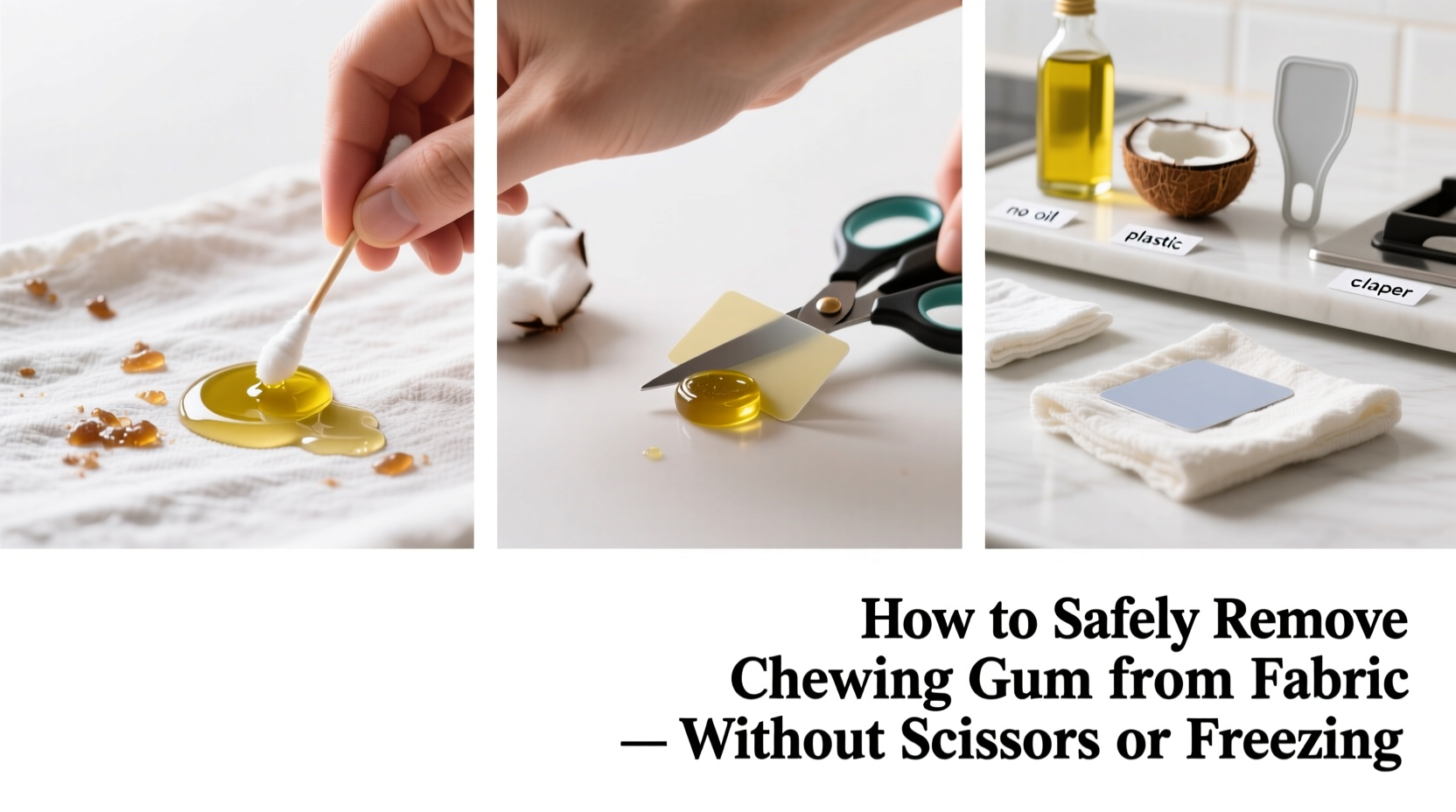
Chewing gum is made from a synthetic rubber base designed to resist breaking down in saliva, which also makes it stubborn when adhered to textiles. When gum sticks to fabric, it bonds with fibers through both mechanical entanglement and adhesive stickiness. Heat, oils, and certain solvents can weaken this bond, allowing removal without physical cutting or extreme cold.
Fabrics vary widely in sensitivity. Natural fibers like cotton and wool react differently to chemicals than synthetics such as nylon or polyester. Delicate materials like silk or lace require extra caution. Always test any cleaning method on an inconspicuous area first—such as an inside seam—to avoid discoloration or fiber degradation.
Step-by-Step Guide: Removing Gum with Household Items
Below is a detailed, no-scissors, no-freezing process using everyday products found in most homes. This method prioritizes safety, effectiveness, and minimal risk to the fabric.
- Blot Excess Debris: Use a spoon or dull knife (not sharp) to gently scrape off any large chunks of gum. Work from the outer edge toward the center to avoid pushing it further into the fibers.
- Apply Peanut Butter (or Mayonnaise): Yes, peanut butter. Its natural oils help dissolve gum’s adhesive properties. Spread a small amount directly onto the gum using a cotton swab or clean cloth. Let sit for 5–10 minutes.
- Work the Oil In: Using a soft toothbrush or fingertip, gently massage the oil around the gum’s edges. Avoid aggressive scrubbing, which can damage fibers.
- Lift the Gum: After softening, use a plastic card (like an old gift card) to slowly peel the gum away from the fabric. It should come off in sections.
- Treat Residue: Any remaining stickiness can be addressed with a drop of dish soap mixed with warm water. Dab the area lightly with a microfiber cloth.
- Wash Normally: Launder the garment according to its care label. For non-washable items, spot-clean with appropriate solutions.
This method works particularly well on cotton, denim, and durable synthetics. For delicate fabrics, proceed more cautiously and reduce application time.
Alternative Solvents and Their Effectiveness
If peanut butter isn't available—or you're dealing with a nut allergy—several other household substances can break down gum adhesion. Each has pros and cons depending on fabric type and stain severity.
| Solvent | How to Use | Best For | Cautions |
|---|---|---|---|
| Peanut Butter | Apply, wait 10 mins, wipe off | Cotton, denim, upholstery | Nut allergies; may stain light fabrics |
| Mayonnaise | Same as peanut butter | Synthetics, blends | Greasy residue; requires thorough washing |
| Vegetable Oil | Soak gum spot, wait 15 mins | Most washable fabrics | Can leave oil stains if not washed properly |
| Hairspray (alcohol-based) | Spray, wait 2–3 mins, wipe | Non-porous surfaces near fabric | Risky on delicate fabrics; may cause fading |
| Dish Soap + Warm Water | For final cleaning after gum removal | All washable fabrics | Not sufficient alone for initial removal |
Choose your solvent based on availability and fabric compatibility. Oils work by penetrating the gum matrix and reducing surface tension, making it easier to lift. Alcohol-based sprays can harden some gums slightly, aiding removal—but they carry higher risks for colorfastness.
Real Example: Removing Gum from a Child’s School Uniform
Sarah noticed her son’s cotton-blend school shirt had a wad of gum stuck near the collar after recess. With no freezer access and fearing damage from scissors, she turned to her kitchen pantry. She applied a teaspoon of creamy peanut butter to the spot, covered it with a paper towel to prevent transfer, and waited 8 minutes. Using an old credit card, she gently lifted the softened gum in one piece. A quick soak in soapy water removed the oily residue, and after machine washing, the shirt looked untouched. No damage, no stress.
This real-world case shows how accessible ingredients and patience yield excellent results—even under time pressure before school the next day.
Expert Insight on Fabric Care and Stain Removal
“Many people reach for harsh chemicals when simple oils do the job safer and more effectively. The goal isn’t just to remove the gum—it’s to preserve the fabric’s lifespan.” — Dr. Linda Reeves, Textile Scientist at the Institute for Home Fabric Innovation
Dr. Reeves emphasizes that modern detergents and mild solvents are often overlooked in favor of aggressive treatments. “The structure of textile fibers matters more than we think,” she adds. “Abrasive scraping or strong solvents like acetone can degrade cotton over time, leading to thinning and holes. Gentle oil-based softeners respect the fiber while dissolving the gum.”
Checklist: Safe Gum Removal Without Scissors or Freezing
- ☐ Identify the fabric type and check care labels
- ☐ Remove excess gum with a blunt tool (spoon, card)
- ☐ Select a safe solvent (peanut butter, oil, mayo)
- ☐ Test on a hidden area first
- ☐ Apply solvent and wait 5–15 minutes
- ☐ Gently lift gum with a plastic edge
- ☐ Treat residual stickiness with dish soap
- ☐ Wash or clean according to fabric instructions
- ☐ Inspect result and repeat if necessary
Following this checklist ensures a systematic, low-risk approach. Skipping steps—especially the patch test—can lead to unintended stains or texture changes.
Common Mistakes to Avoid
Even with the right tools, mistakes happen. Here are frequent errors that compromise fabric or worsen the situation:
- Rubbing instead of lifting: Spreads gum and embeds it deeper.
- Using hot water too soon: Heat activates gum’s stickiness, making it harder to remove.
- Skipping the patch test: Can result in discoloration, especially on dyed fabrics.
- Applying too much solvent: Increases risk of secondary stains from oil or chemicals.
- Using acetone or nail polish remover: Too harsh for most fabrics; causes fiber breakdown.
Patience is essential. Rushing the process often leads to repeated attempts and greater damage.
FAQ
Can I use olive oil to remove gum from fabric?
Yes, olive oil works similarly to vegetable oil. Apply a few drops, let it sit for 10–15 minutes, then wipe away the softened gum. Be sure to launder afterward to remove the oil residue, as it can attract dirt over time.
Will peanut butter stain my clothes?
Peanut butter can leave a greasy mark, especially on light-colored fabrics. However, this is typically removable with normal washing. To minimize risk, use unsalted, smooth peanut butter and avoid flavored varieties with added sugars or dyes.
What if the fabric can’t be washed?
For dry-clean-only or delicate items, consult a professional cleaner. If attempting home treatment, use minimal oil and blot with a dry cloth. Do not saturate the fabric. Consider using a commercial gum remover tested for sensitive textiles.
Conclusion
Removing chewing gum from fabric doesn’t require extreme temperatures or sharp tools. With the right knowledge and common household items, you can eliminate gum safely and effectively. The methods outlined here prioritize fabric preservation, practicality, and accessibility. Whether it’s a child’s jacket, a sofa cushion, or a favorite pair of pants, these techniques restore cleanliness without compromising quality.




 浙公网安备
33010002000092号
浙公网安备
33010002000092号 浙B2-20120091-4
Comments
No comments yet. Why don't you start the discussion?