
Ink stains on light-colored clothing can be one of the most distressing laundry mishaps. Whether it's a leaky pen in your pocket, a child’s art project gone awry, or an accidental brush against a freshly written note, ink spreads quickly and bonds tightly with fabric fibers. The instinct might be to scrub vigorously or douse the garment in bleach—but these reactions often make the problem worse. The good news is that with prompt action and the right techniques, even stubborn ink stains can be removed safely, preserving both the color and integrity of delicate fabrics.
The key lies not just in what you use, but in how you apply it. Different types of ink—ballpoint, gel, fountain, or permanent marker—respond differently to cleaning agents. Similarly, fabric composition matters: cotton, polyester, silk, and blends each require tailored approaches. This guide walks through science-backed, practical steps to lift ink from light fabrics without causing damage, fading, or spreading.
Understanding Ink and Fabric Interaction
Ink is designed to adhere permanently to surfaces, which makes it particularly challenging to remove from textiles. Ballpoint pen ink, for example, is oil-based and contains dyes suspended in a solvent that evaporates quickly once exposed to air. As the solvent disappears, the dye binds to fabric fibers. Gel inks are water-based but contain polymers that create a thicker, more adhesive consistency. Permanent markers use alcohol-based solvents, which penetrate deeply into fibers and can bleed across fabric if not treated carefully.
Light-colored clothes are especially vulnerable because any discoloration or residue becomes immediately visible. Moreover, aggressive treatments like chlorine bleach can yellow white fabrics over time or cause synthetic fibers to degrade. That’s why gentle, targeted methods using household ingredients or specialized stain removers are preferred.
“Time is your biggest ally when dealing with ink stains. The sooner you act, the better your chances of complete removal.” — Dr. Lena Peterson, Textile Chemist at the American Cleaning Institute
Step-by-Step Guide to Removing Ink Stains Safely
Immediate intervention dramatically increases the likelihood of successful stain removal. Follow this systematic approach to treat ink spills effectively while minimizing fabric stress.
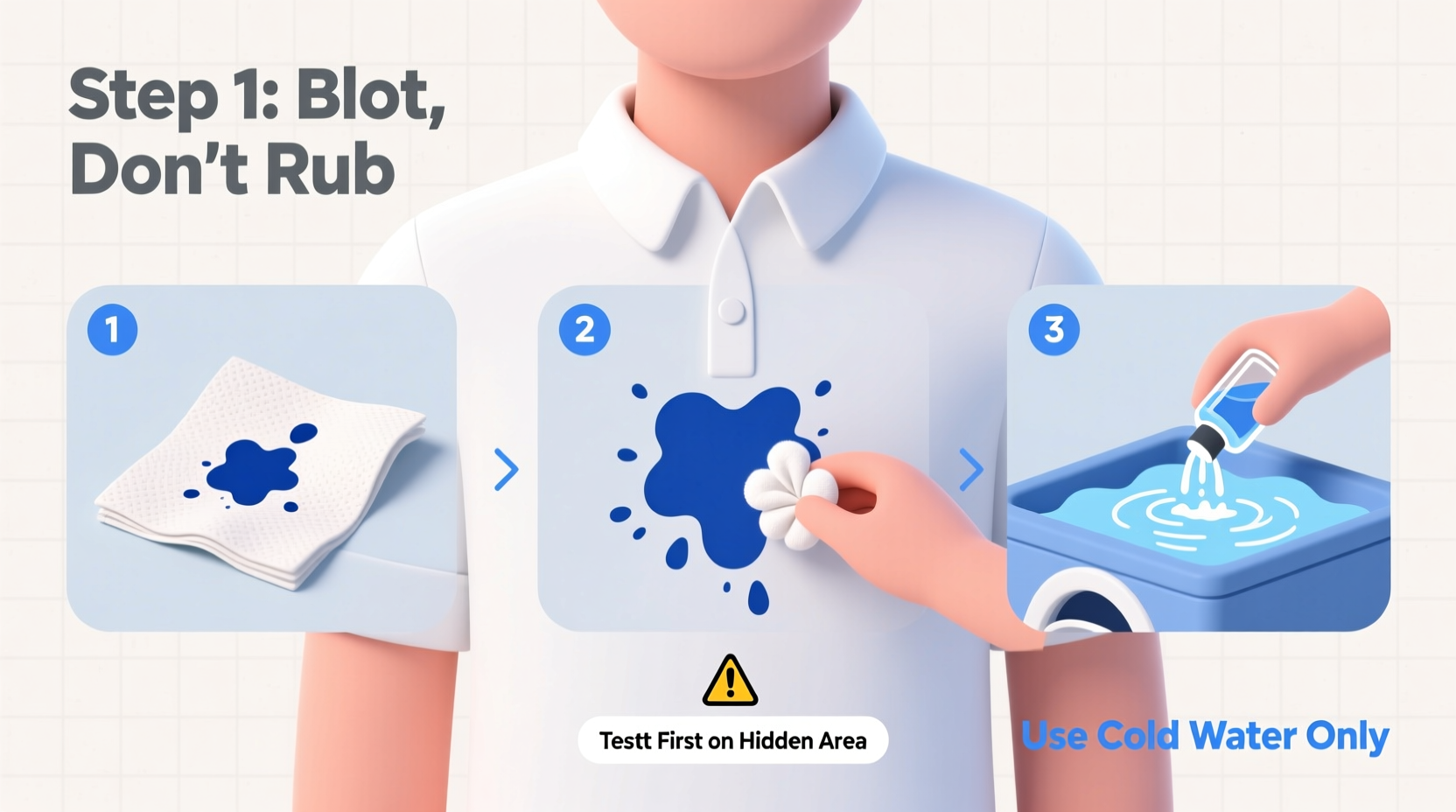
- Blot, Don’t Rub
As soon as you notice the stain, gently blot the area with a clean, dry paper towel. Rubbing pushes ink deeper into the fibers and spreads it outward. Place a few layers of paper towel under the stained area to absorb excess ink from the back. - Test for Colorfastness
Before applying any liquid treatment, test it on an inconspicuous part of the garment—such as an inside seam or hem. Apply a small amount of the cleaning solution, wait 5 minutes, then blot with a white cloth. If color transfers, avoid using that product on the visible area. - Choose the Right Solvent Based on Ink Type
Different inks respond to different solvents:- Ballpoint ink: Use rubbing alcohol (isopropyl alcohol, 70% or higher).
- Gel ink: Try hand sanitizer (which contains alcohol and thickening agents) or diluted dish soap.
- Permanent marker: Use rubbing alcohol or acetone-free nail polish remover.
- Apply the Solvent Carefully
Place the garment flat on a clean surface with the stain facing up. Put a towel or cardboard underneath to prevent bleeding onto other layers. Using a cotton ball or clean white cloth, dab the stain lightly with the chosen solvent. Work from the outside toward the center to prevent spreading. Reapply solvent as needed, allowing it to sit for 3–5 minutes between applications. - Rinse and Repeat
After the ink begins to lift, rinse the area under cold running water. Check progress. If the stain persists, repeat the process up to three times. Avoid hot water, as heat can set protein-based and synthetic stains permanently. - Wash Normally
Once the stain is no longer visible, launder the garment according to its care label. Use the recommended detergent and add a cap of oxygen-based booster (like OxiClean) if safe for the fabric. Do not place the item in the dryer until the stain is completely gone—heat sets residual stains. - Air-Dry and Inspect
Hang or lay the garment flat to dry. After drying, inspect the area in natural light. If traces remain, repeat the treatment before considering alternative methods.
Do’s and Don’ts When Treating Ink Stains
| Do’s | Don’ts |
|---|---|
| Act quickly—treat stains within minutes if possible | Delay treatment; waiting allows ink to bond permanently |
| Blot gently instead of rubbing | Rub aggressively, which spreads the stain |
| Test cleaning agents on hidden areas first | Assume all fabrics react the same way to solvents |
| Use cold water for rinsing | Use hot water, which can set the stain |
| Check the care label before washing | Put treated garments in the dryer before confirming stain removal |
| Use rubbing alcohol on cotton, linen, or polyester | Use acetone on delicate fabrics like silk or spandex—it can dissolve fibers |
Alternative Remedies and Their Effectiveness
While commercial stain removers are effective, many households rely on common products for emergency treatment. Here’s how some popular home remedies perform:
- Hairspray: Older formulations contained high levels of alcohol and were useful for breaking down ink. However, modern aerosol sprays are often water-based and less effective. If using hairspray, ensure it lists alcohol as one of the first ingredients.
- Milk Soak: Submerging the stained area in milk for several hours may help lift certain dyes due to its fat content, but results are inconsistent and slow. Not recommended for quick fixes.
- Lemon Juice + Sunlight: While lemon juice acts as a mild bleaching agent, combining it with direct sunlight risks fading or weakening fabric. Unsafe for colored trims or elastic components.
- Non-Gel Toothpaste: Some claim white toothpaste works due to mild abrasives and surfactants, but it can leave residue and isn’t proven effective on ink.
The most reliable method remains isopropyl alcohol applied correctly. It dissolves the ink binder, allowing the dye to be lifted without damaging most washable fabrics.
Real-Life Example: Saving a Child’s School Shirt
Sarah noticed her 8-year-old had returned from school with a large blue ink stain across the front of his white cotton button-down shirt. He had sat on a leaking pen during class. By the time she saw it, the stain had dried and spread slightly.
Instead of tossing it, Sarah followed the step-by-step method: she tested rubbing alcohol on the cuff, then applied it with a cotton pad, blotting every few minutes. After 15 minutes, the stain had visibly faded. She rinsed it under cold water, applied a bit of liquid laundry detergent directly to the spot, and washed it in cold water with an oxygen booster.
She air-dried the shirt and found only a faint shadow remained. A second round of alcohol treatment erased it completely. The shirt looked nearly new. “I was ready to give up on it,” she said later, “but taking it slow made all the difference.”
Checklist: Quick Action Plan for Ink Stain Removal
- ✅ Blot excess ink with a clean, dry paper towel
- ✅ Place absorbent material (paper towel or cardboard) beneath the stain
- ✅ Identify the fabric type and check the care label
- ✅ Test cleaning solution on an inconspicuous area
- ✅ Apply rubbing alcohol or appropriate solvent with a cotton ball (dab, don’t rub)
- ✅ Rinse thoroughly with cold water
- ✅ Pre-treat with laundry detergent if needed
- ✅ Wash in cold water using regular cycle
- ✅ Air-dry and inspect before rewashing or storing
Frequently Asked Questions
Can I use hand sanitizer to remove ink stains?
Yes, hand sanitizer is often effective because it contains alcohol (typically 60–70%) and gel thickeners that help it cling to vertical surfaces. Apply a small amount directly to the stain, let it sit for 5–10 minutes, then blot and rinse with cold water. Best for cotton, polyester, and blends. Avoid on delicate fabrics like silk or rayon.
What should I do if the ink stain doesn’t come out after the first wash?
Do not dry the garment. Reapply the alcohol treatment and consider soaking the fabric in a mixture of cool water and oxygen-based cleaner (like OxiClean) for 30 minutes to several hours. Repeat the blot-and-rinse process, then wash again. For persistent stains, professional dry cleaning may be necessary—inform them about the ink type and prior treatments.
Is it safe to use rubbing alcohol on white silk or wool?
No. Rubbing alcohol can damage protein-based fibers like silk and wool, causing brittleness or discoloration. For delicate fabrics, take the garment to a professional cleaner immediately. If immediate treatment is required, try a tiny drop of milk or diluted enzyme-based cleaner, but proceed with extreme caution.
Expert Insight: What Professionals Recommend
Dry cleaners and textile experts emphasize prevention and early response. According to Mark Tran, a senior stain specialist at EcoClean Laundry Services:
“The number one mistake people make is assuming all stains behave the same. Ink is volatile—some solvents break it down fast, others do nothing. We always ask clients what they’ve already used so we don’t compound the issue. And never underestimate air-drying: putting a half-cleaned shirt in the dryer is the fastest way to make a stain permanent.” — Mark Tran, Stain Removal Specialist
Final Tips for Long-Term Fabric Care
Preventing future ink disasters starts with simple habits. Keep pens capped and stored upright. Use fabric-friendly pockets or protective liners in jackets and uniforms. Teach children to store writing tools in sealed cases. For work environments where ink exposure is frequent, consider wearing an apron or changing into designated clothing.
Additionally, maintain a small stain-response kit: include rubbing alcohol, cotton balls, paper towels, a soft-bristled brush, and a stain-removal pen. Store it in your laundry room or near your workspace for emergencies.
Conclusion: Take Control Before the Stain Sets In
Ink doesn’t have to mean the end of your favorite light-colored garment. With careful handling, the right materials, and patience, most ink stains can be reversed—even after they’ve dried. The process requires attention to detail, respect for fabric limitations, and a willingness to repeat steps if needed. Remember: speed, precision, and cold water are your best allies.
Don’t let a single accident dictate the lifespan of your clothes. Equip yourself with knowledge, keep essential supplies on hand, and act decisively the next time ink strikes. Your wardrobe will thank you.




 浙公网安备
33010002000092号
浙公网安备
33010002000092号 浙B2-20120091-4
Comments
No comments yet. Why don't you start the discussion?