
Superglue accidents happen more often than people admit. Whether you're crafting, repairing household items, or helping a child with a school project, a momentary slip can leave cyanoacrylate adhesive stubbornly bonded to your fingers or hands. While acetone is commonly recommended for dissolving superglue, it comes with risks—especially for sensitive or broken skin. It can cause dryness, redness, cracking, and even chemical burns with prolonged exposure. For those seeking gentler alternatives, there are several safe, effective, and accessible methods to remove superglue without relying on harsh solvents.
This guide explores proven techniques that prioritize skin health while delivering results. From mechanical softening to natural oils and warm water soaks, these strategies are suitable for children, individuals with dermatological sensitivities, and anyone who prefers to avoid strong chemicals in everyday care.
Understanding Superglue and Skin Safety
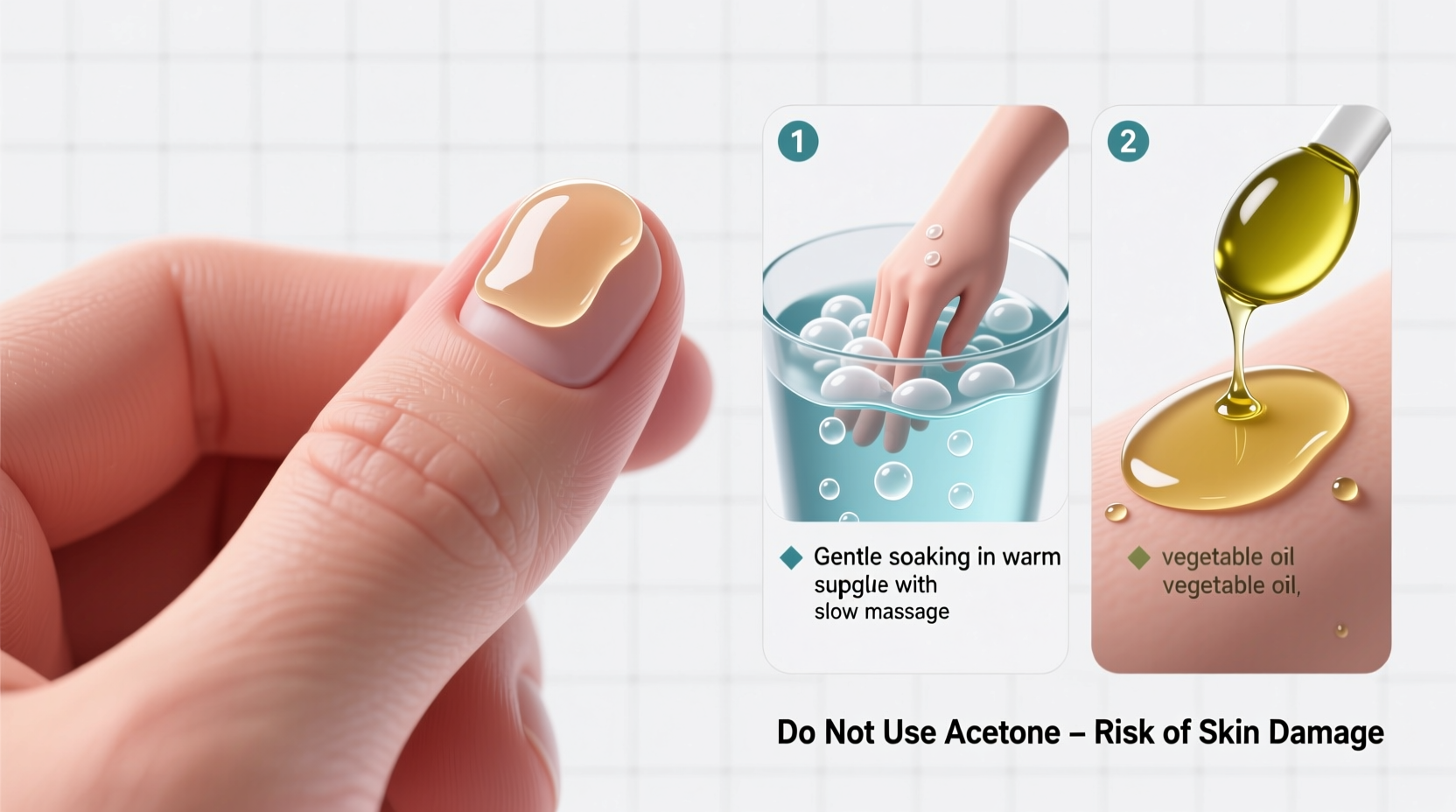
Cyanoacrylate-based adhesives bond rapidly upon contact with moisture, which is naturally present on the surface of human skin. This creates an instant polymerization reaction, forming a hard, plastic-like layer that adheres tightly. While the glue itself is generally non-toxic once cured, the challenge lies in removing it without damaging the delicate outer layers of the epidermis.
Acetone, found in many nail polish removers, breaks down the molecular structure of cured superglue. However, it’s also a powerful degreaser that strips away natural oils from the skin. Dermatologists caution against its use on large areas, irritated skin, or near mucous membranes. Frequent or improper use can compromise the skin barrier, leading to increased sensitivity, inflammation, and delayed healing.
“While acetone is effective at breaking down superglue, it should not be considered the default solution—especially for children or those with pre-existing skin conditions like eczema.” — Dr. Lena Patel, Board-Certified Dermatologist
The goal isn’t just removal; it’s doing so in a way that preserves skin integrity. The following methods focus on gradual loosening, hydration, and gentle exfoliation—offering a safer path to clean, unharmed skin.
Step-by-Step: Gentle Removal Without Acetone
Removing superglue from skin without acetone requires patience and consistent effort, but the process is straightforward when approached correctly. Follow this timeline-based method for optimal results:
- Assess the area: Determine how much skin is affected and whether the glue has entered cuts, under nails, or around sensitive zones like eyes or lips. If near eyes or ingested, seek medical help immediately.
- Wash gently with soap and warm water: Use mild hand soap and lukewarm water to clean around the glued area. Avoid scrubbing. This removes surface residue and prepares the skin for treatment.
- Soak in warm, soapy water: Fill a bowl with warm (not hot) water and add a few drops of liquid soap or baby shampoo. Soak the affected area for 10–15 minutes. Repeat 2–3 times daily. This softens both the glue and surrounding dead skin cells.
- Use natural oils: After soaking, apply a small amount of olive oil, coconut oil, or almond oil directly onto the glue. Massage gently for 2–3 minutes. These oils penetrate beneath the adhesive layer, weakening its hold over time.
- Peel or roll gently: Once softened, try lifting the edge of the glue with a soft cloth or fingernail. Never force it. If it resists, re-soak and reapply oil.
- Exfoliate lightly: After partial removal, use a soft washcloth or pumice stone (lightly) to buff away remaining fragments during regular washing.
- Maintain moisture: Apply fragrance-free moisturizer after each session to prevent dryness and support skin recovery.
Most minor cases resolve within 24 to 72 hours using this routine. Larger patches may take up to five days, depending on thickness and location.
Effective Alternatives to Acetone
Several household items can assist in breaking down or loosening superglue bonds without the irritation associated with acetone. Below is a comparison of common alternatives based on safety, availability, and effectiveness.
| Method | How It Works | Safety Level | Time Required |
|---|---|---|---|
| Warm Soapy Water | Hydrates skin and softens glue edges | Very High – Safe for all ages | 1–3 days |
| Coconut Oil | Penetrates adhesive layer, weakens bond | High – Hypoallergenic for most | 2–4 days |
| Lemon Juice | Mild acidity helps degrade glue over time | Moderate – May irritate sensitive skin | 3–5 days |
| Baking Soda Paste | Acts as a mild abrasive combined with oil | Moderate – Risk of micro-tears if over-scrubbed | 2–3 days |
| Petroleum Jelly | Seals in moisture, gradually lifts glue | Very High – Non-irritating | 3–6 days |
For best outcomes, combine methods. For example, soak first, then apply oil, and finish with light exfoliation. Avoid using vinegar or undiluted citrus juices on open areas, as their acidity can cause stinging and delay healing.
Real-Life Example: A Parent’s Solution During Craft Time
Sarah, a homeschooling mother of two, was helping her 8-year-old daughter assemble a diorama when the child accidentally squeezed superglue onto her thumb and index finger, bonding them together. Panicked but calm, Sarah remembered reading about non-acetone options. She avoided pulling the fingers apart, knowing that could tear skin.
Instead, she ran warm soapy water in a basin and had her daughter soak her hand for 12 minutes. After drying, she massaged coconut oil between the fingers and wrapped the hand in a soft cloth for 30 minutes. When they returned, the bond had visibly weakened. With gentle wiggling, the fingers separated fully by the second day, leaving only slight redness that resolved with moisturizer.
“I was terrified I’d need to go to urgent care,” Sarah later shared, “but taking it slow and using things I already had made all the difference.”
Checklist: What to Do (and Not Do)
When faced with superglue on skin, follow this actionable checklist to ensure safe and effective removal:
- Stay calm and assess the extent of adhesion
- Wash the area gently with soap and warm water
- Soak frequently in warm, soapy solutions
- Apply natural oils like coconut, olive, or almond oil
- Allow time for the glue to lift naturally
- Moisturize after each treatment
- Seek medical help if glue is near eyes, mouth, or genitals
- Pull, peel, or rip the glue off forcefully
- Use acetone on broken, cracked, or sensitive skin
- Scrub aggressively with rough brushes or steel wool
- Apply undiluted lemon juice or vinegar to raw areas
- Ignore signs of irritation or infection
- Leave children unsupervised with adhesives
Frequently Asked Questions
Can superglue cause permanent skin damage?
No, superglue does not typically cause permanent damage when handled properly. It bonds to the outermost layer of dead skin cells, which naturally shed every few days. As long as you avoid aggressive removal and protect against infection, the skin will return to normal. However, forcing separation can lead to cuts, scarring, or secondary infections.
Is it safe to leave superglue on skin and wait for it to fall off?
Yes, in most cases, it is perfectly safe to let superglue wear off naturally. The body sheds approximately 30,000 to 40,000 skin cells per minute, and the glue will detach along with them within 3 to 5 days. Keeping the area clean and moisturized speeds up comfort and appearance, but no active intervention is strictly necessary unless the glue interferes with movement or hygiene.
What should I do if superglue gets under my fingernail?
If glue penetrates under the nail, avoid digging or prying. Instead, soak the fingertip in warm, soapy water twice daily and apply oil to the cuticle area. The glue will eventually grow out with the nail, which takes about 4 to 6 months for a full replacement. If pain, swelling, or discharge occurs, consult a healthcare provider to rule out infection.
Conclusion: Prioritize Skin Health Over Speed
Removing superglue from skin doesn’t require harsh chemicals or risky maneuvers. By understanding how cyanoacrylate bonds form and leveraging simple, science-backed techniques, you can dissolve the problem safely and effectively—without compromising your skin’s health. Patience, hydration, and gentle care are far more powerful than force or solvents.
Keep natural oils and mild soaps on hand, especially in homes with children or frequent DIY activity. Educate family members on proper handling and emergency steps. Most importantly, remember that skin heals best when respected—not rushed.




 浙公网安备
33010002000092号
浙公网安备
33010002000092号 浙B2-20120091-4
Comments
No comments yet. Why don't you start the discussion?