
The Biologically Appropriate Raw Food (BARF) diet has gained widespread attention among pet owners seeking a more natural, species-appropriate way to feed their dogs. Advocates praise improvements in coat quality, energy levels, dental health, and digestion. However, transitioning to raw food without proper planning can lead to nutritional imbalances, digestive upset, or even bacterial exposure. A successful shift requires understanding canine physiology, nutrient ratios, sourcing safety, and gradual adaptation. This guide outlines the science-backed steps to implement a balanced BARF diet while prioritizing your dog’s long-term well-being.
Understanding the BARF Diet: Beyond Just Raw Meat
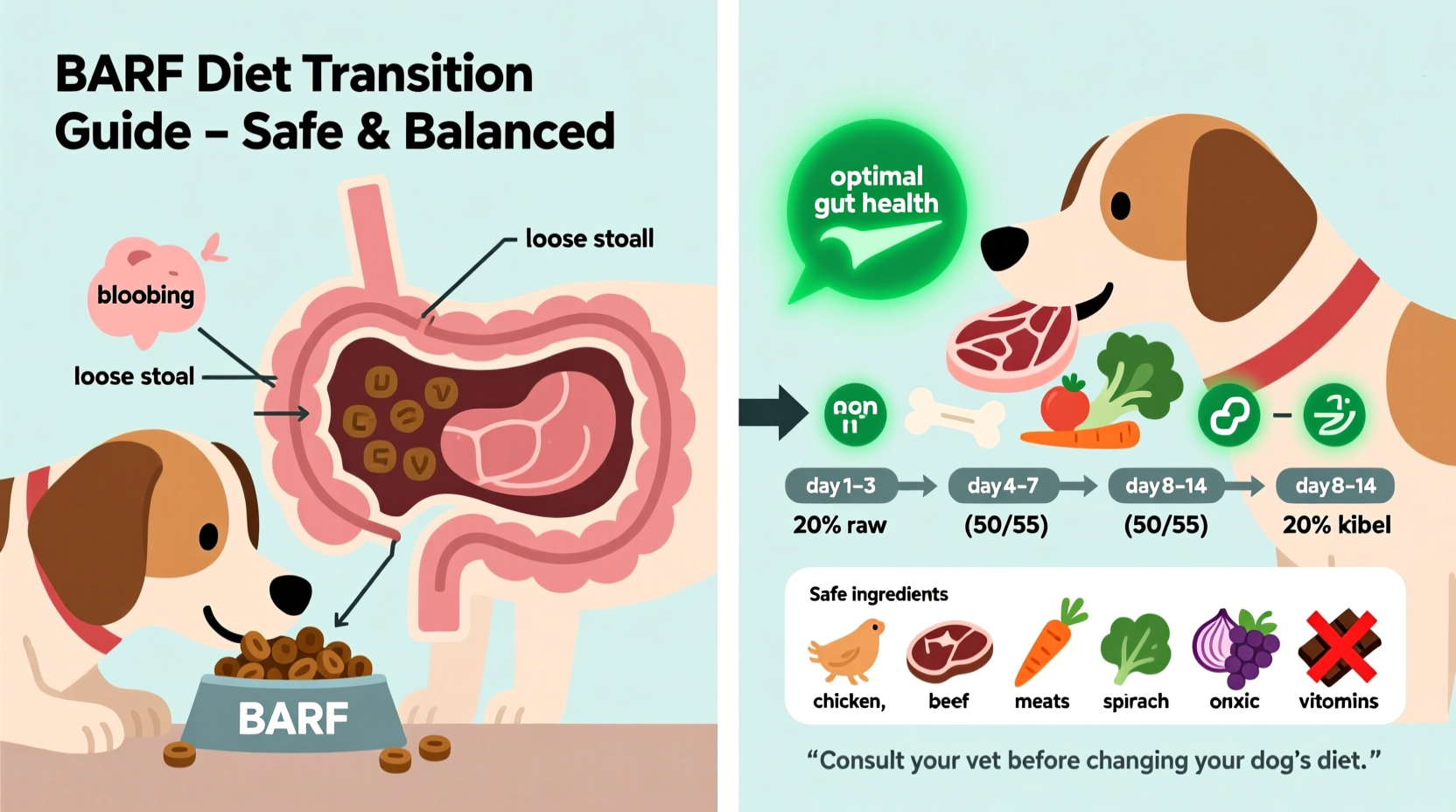
The BARF model, originally developed by Dr. Ian Billinghurst, mimics what dogs might consume in the wild—muscle meat, bones, organs, raw vegetables, and some dairy. It is not simply feeding raw steak; it’s a structured approach to replicate a biologically appropriate intake. A properly balanced BARF diet typically includes:
- Muscle meat (50–60%): Such as chicken, beef, turkey, or lamb.
- Bones (10–15%): Edible, raw bones like chicken necks or wings that provide calcium and aid dental health.
- Organ meats (10%): Liver (5–6%) and other secreting organs like kidney or spleen (4–5%) for essential vitamins.
- Fruits and vegetables (10–15%): Grated or puréed for digestibility—carrots, spinach, apples, and broccoli are common choices.
- Supplements (optional): Omega-3s from fish oil, probiotics, or additional vitamins if needed based on sourcing.
“Dogs are facultative carnivores—they thrive best when fed a diet rich in animal protein and fat, with minimal processed carbohydrates.” — Dr. Karen Becker, Integrative Veterinarian
Step-by-Step Guide to Transitioning Safely
Rushing into a raw diet can cause diarrhea, vomiting, or refusal. The digestive system needs time to adjust enzyme production and gut microbiota. Follow this 7-phase timeline for a smooth shift:
- Week 1: Research & Planning – Confirm your vet supports the change. Source high-quality, human-grade meats. Calculate your dog’s daily caloric needs (typically 2–3% of body weight).
- Week 2: Introduce One Protein – Start with a single novel protein (e.g., turkey). Feed 25% raw alongside 75% current diet.
- Week 3: Increase to 50% – Gradually raise raw content while monitoring stool quality and energy.
- Week 4: 75% Raw – Add bone content (e.g., ground chicken necks) and small amounts of organ meat.
- Week 5: Full Raw Transition – Complete switch. Begin incorporating vegetables and varied proteins.
- Week 6: Monitor & Adjust – Track weight, coat condition, breath odor, and bowel movements. Adjust fat-to-protein ratio if needed.
- Week 7+: Rotate & Balance – Introduce new proteins weekly (beef, lamb, rabbit) to prevent sensitivities and ensure diverse nutrients.
Nutritional Balance: Avoiding Common Pitfalls
One of the biggest risks of DIY raw feeding is nutrient deficiency or excess. Calcium-to-phosphorus imbalance is particularly dangerous—too little calcium leads to skeletal issues, especially in growing puppies. Too much can cause urinary stones.
| Nutrient | Target Ratio | Common Deficiencies | Solutions |
|---|---|---|---|
| Calcium:Phosphorus | 1.2:1 to 1.4:1 | Low calcium in meat-only diets | Add raw edible bones or calcium carbonate supplement |
| Vitamin A | Adequate liver (5–6% of diet) | Deficiency causes poor vision, skin issues | Include liver weekly; avoid overdosing |
| Omega-3 Fatty Acids | EPA/DHA from marine sources | Inflammation, dull coat | Add sardines, salmon oil, or flaxseed (limited conversion) |
| Taurine (for certain breeds) | Sufficient in heart meat | Dilated cardiomyopathy risk in Dobermans, Cocker Spaniels | Include beef or lamb heart regularly |
Real-World Example: Max, the 3-Year-Old Labrador
Max had chronic ear infections, low energy, and soft stools on a commercial kibble diet. His owner, Sarah, consulted her holistic vet before transitioning him to BARF. She began with turkey mince and ground bone (ratio 70/10), slowly increasing raw content over four weeks. By week six, Max was fully on raw—rotating chicken, beef, and lamb, with liver once a week and blended greens. Within two months, his coat became glossy, his energy improved, and his vet noted better dental plaque control. Stool volume decreased significantly, indicating higher digestibility. Blood work at three months showed optimal nutrient levels, confirming the diet was balanced.
Critical Safety Practices When Handling Raw Food
Raw meat carries pathogens like Salmonella and Listeria, which can affect both pets and humans. Safe handling is non-negotiable.
- Thaw food in the refrigerator, never at room temperature.
- Use dedicated bowls and utensils, cleaned with hot, soapy water after each use.
- Wash hands thoroughly after handling raw food.
- Store BARF meals in sealed containers for no more than 3 days in the fridge or up to 3 months frozen.
- Do not feed raw diets to puppies under 8 weeks, immunocompromised dogs, or households with infants or elderly individuals unless approved by a vet.
Essential BARF Diet Checklist
Before starting or evaluating your raw feeding plan, review this checklist:
- ✅ Consulted with a veterinarian knowledgeable in raw nutrition
- ✅ Calculated daily food amount (2–3% of ideal body weight)
- ✅ Sourced high-quality, fresh, preferably organic or pasture-raised proteins
- ✅ Included 10% organs (5–6% liver, 4–5% other)
- ✅ Incorporated raw edible bones for calcium
- ✅ Added variety: at least 3 different proteins monthly
- ✅ Introduced vegetables in grated or puréed form
- ✅ Monitored stool, weight, energy, and coat condition weekly
- ✅ Practiced strict hygiene during prep and feeding
- ✅ Scheduled follow-up bloodwork every 6 months
Frequently Asked Questions
Can I mix kibble and raw food?
Yes, but not in the same meal. Dogs digest raw and cooked foods at different rates, which may cause fermentation and gas. If mixing, feed kibble and raw at separate meals—at least 12 hours apart.
How do I know if my dog is getting enough calcium?
Signs of deficiency include weak teeth, joint pain, or brittle bones in puppies. The safest method is adhering to the 10–15% raw bone rule or supplementing with a vet-approved calcium source if feeding boneless meals.
Is the BARF diet suitable for all dogs?
Most healthy adult dogs adapt well, but those with pancreatitis, kidney disease, or immune disorders may require modified diets. Always consult your vet before switching dogs with medical conditions.
Final Thoughts: Commitment to Canine Wellness
Transitioning to a BARF diet is not a shortcut—it’s a commitment to thoughtful, informed feeding. When done correctly, it aligns closely with a dog’s evolutionary biology, often resulting in visible vitality and improved longevity. But success hinges on balance, safety, and consistency. There is no one-size-fits-all formula; each dog may respond differently based on breed, age, activity level, and metabolism. Regular veterinary oversight, careful sourcing, and attentive observation are key.




 浙公网安备
33010002000092号
浙公网安备
33010002000092号 浙B2-20120091-4
Comments
No comments yet. Why don't you start the discussion?