
The ketogenic diet, long studied in human medicine for managing epilepsy, metabolic disorders, and even certain cancers, is gaining attention in veterinary circles as a potential therapeutic tool for dogs. Unlike standard canine diets that rely heavily on carbohydrates for energy, a ketogenic diet shifts metabolism toward fat utilization by drastically reducing carbs and increasing healthy fats. While promising, this dietary shift must be approached with care, precision, and veterinary oversight. This guide outlines the science, benefits, risks, and a step-by-step method to safely transition your dog to a ketogenic diet.
Understanding the Canine Ketogenic Diet
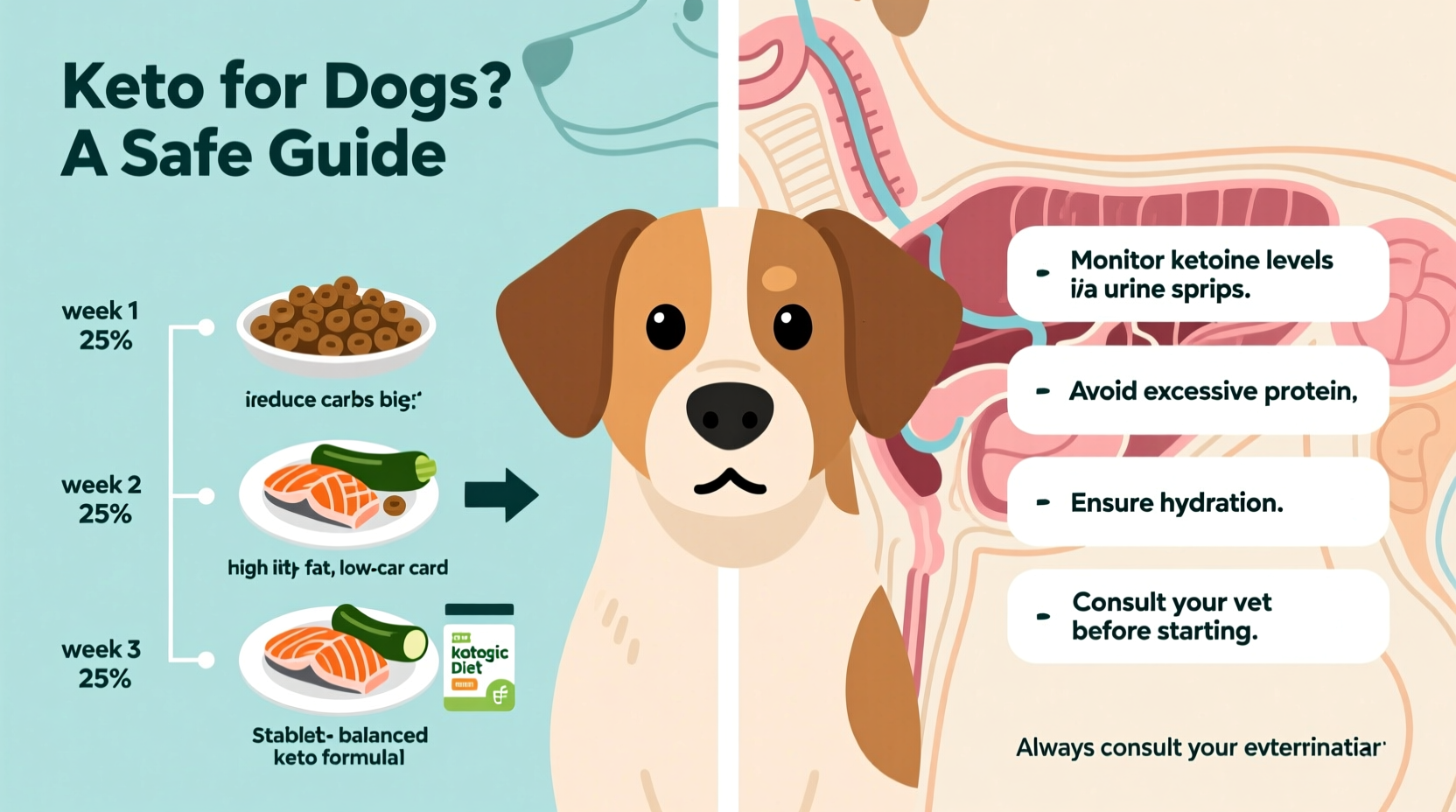
Dogs are naturally more carnivorous than omnivorous, equipped with digestive systems optimized for animal-based proteins and fats. However, most commercial dog foods contain 30–70% carbohydrates—far beyond what ancestral canines consumed. A ketogenic diet typically consists of:
- High fat: 70–80% of total calories
- Moderate protein: 15–25%
- Very low carbohydrate: 5–10%, ideally under 5 grams per meal for small dogs
In this state, the liver converts fats into ketones, which serve as an alternative fuel source for the brain and muscles. This metabolic switch can offer benefits for dogs with specific health conditions, particularly neurological or metabolic issues.
“Ketosis in dogs isn’t about weight loss—it’s a metabolic therapy. We’re reprogramming energy utilization at the cellular level.” — Dr. Karen Becker, Integrative Veterinarian
When Might a Ketogenic Diet Be Beneficial?
While not appropriate for every dog, emerging research suggests therapeutic applications in specific cases:
- Epilepsy and seizure disorders: Ketones have neuroprotective effects and may reduce seizure frequency.
- Canine cognitive dysfunction (CCD): Similar to Alzheimer’s in humans, ketones provide efficient fuel for aging brains.
- Certain cancers: Some tumors thrive on glucose; limiting carbs may slow their growth.
- Obesity and insulin resistance: Ketosis improves insulin sensitivity and promotes fat burning.
However, it is critical to emphasize: this is not a casual lifestyle diet. It should only be initiated under veterinary supervision, especially for dogs with preexisting conditions such as pancreatitis, liver disease, or diabetes.
Step-by-Step Transition Plan
Abrupt dietary changes can cause gastrointestinal distress or metabolic shock. The transition should occur gradually over 7–14 days, allowing the gut microbiome and liver enzymes time to adapt.
- Week 1: Eliminate high-carb foods
Remove kibble, grains, starchy vegetables (like potatoes), and treats containing sugar or fillers. Replace with fresh meats and low-carb vegetables such as broccoli, spinach, or zucchini. - Days 8–10: Introduce healthy fats
Add MCT oil (starting at 1/4 tsp per 10 lbs body weight), coconut oil, or salmon oil. Monitor stool consistency and energy levels. - Days 11–14: Achieve macronutrient balance
Adjust ratios so that 75% of calories come from fat, 20% from protein, and less than 5% from carbs. Use a pet nutrition calculator to verify. - Ongoing: Monitor and adjust
Weigh your dog weekly, check hydration, and watch for lethargy, vomiting, or diarrhea. Urine ketone strips can help confirm ketosis (target: 0.5–3.0 mmol/L).
What to Feed: A Practical Ketogenic Meal Framework
Homemade diets require careful balancing. Below is a sample daily meal plan for a 30 lb (14 kg) dog:
| Component | Food Example | Portion | Carbs (g) |
|---|---|---|---|
| Protein | Ground turkey or chicken | 1 cup (cooked) | 0 |
| Fat | MCT oil + salmon oil | 1 tbsp MCT, 1 tsp salmon oil | 0 |
| Vegetables | Chopped spinach & steamed broccoli | 1/4 cup total | 3 |
| Supplement | Calcium (if bones not included) | 500 mg | 0 |
| Total | ~3 g carbs |
Note: Always supplement with essential nutrients like calcium, omega-3s, and vitamins if not using a complete commercial ketogenic product. Avoid organ meats in excess due to vitamin A toxicity risk.
Common Pitfalls and What to Avoid
Even well-intentioned pet owners can make mistakes when implementing a ketogenic diet. Here's a checklist of key do’s and don’ts:
| Do’s | Don’ts |
|---|---|
| Work with a vet or veterinary nutritionist | Switch diets cold turkey |
| Use urine ketone strips to monitor progress | Feed processed treats with hidden sugars |
| Introduce fats slowly to avoid diarrhea | Overfeed protein (can inhibit ketosis) |
| Track weight, energy, and behavior weekly | Assume all “grain-free” foods are keto-friendly |
Real-World Example: Max, a 9-Year-Old Border Collie with Seizures
Max began experiencing cluster seizures at age 8. Despite being on phenobarbital, his episodes remained frequent and debilitating. His owner, Sarah, consulted a board-certified veterinary neurologist who recommended a trial of a ketogenic diet alongside continued medication.
Over two weeks, Max was transitioned off kibble and onto a homemade diet rich in chicken, eggs, MCT oil, and leafy greens. By week three, urine tests confirmed mild ketosis. Within six weeks, seizure frequency dropped from 1–2 per week to one every six weeks. His energy improved, and his coat became noticeably shinier.
Sarah kept a daily log of food, water intake, and behavior, which proved invaluable during follow-up appointments. While not a cure, the diet became a cornerstone of Max’s management plan—demonstrating how targeted nutrition can complement medical treatment.
Frequently Asked Questions
Can I use commercial dog food for a ketogenic diet?
Very few commercial diets meet true ketogenic criteria. Most “low-carb” brands still contain 15–25% carbohydrates. Look for veterinary-formulated options like Hill’s Prescription Diet r/d or specialized raw/frozen brands that list fat as the primary ingredient and carbs under 5%. Always verify with a nutrient analysis.
How do I know if my dog is in ketosis?
Urine ketone test strips (available over-the-counter) can detect acetoacetate, a ketone body excreted in urine. Test first thing in the morning. Consistent readings between 0.5 and 3.0 mmol/L indicate nutritional ketosis. Blood testing is more accurate but costly.
Are there long-term risks to a ketogenic diet for dogs?
Potential concerns include nutrient deficiencies, elevated cholesterol, or pancreatic stress from high fat intake. Regular blood work—especially liver enzymes, lipase, and lipid panels—is essential every 3–6 months. Dogs with breed predispositions to pancreatitis (e.g., Miniature Schnauzers) should proceed with extreme caution.
Final Thoughts and Next Steps
Transitioning your dog to a ketogenic diet is not a decision to take lightly. It demands commitment, precision, and collaboration with a qualified veterinarian. When used appropriately, it can be a powerful adjunct in managing complex health conditions—offering hope where conventional treatments fall short.
If you're considering this path, start by scheduling a consultation with a vet who understands metabolic nutrition. Request baseline bloodwork, discuss goals, and develop a tailored plan. Keep detailed records, stay patient during the adjustment phase, and remain open to modifying the approach based on your dog’s response.




 浙公网安备
33010002000092号
浙公网安备
33010002000092号 浙B2-20120091-4
Comments
No comments yet. Why don't you start the discussion?