
More pet owners are exploring raw feeding as a way to support their dog’s long-term health, energy levels, and coat condition. While commercial kibble remains dominant, the raw food movement has gained momentum due to its focus on whole, unprocessed ingredients. However, switching to a raw diet isn’t as simple as swapping bowls—it requires careful planning, nutritional balance, and a gradual approach to avoid digestive upset. Done correctly, a raw diet can offer significant benefits. Done incorrectly, it may lead to nutrient deficiencies or gastrointestinal distress.
This guide provides a comprehensive, science-informed roadmap for transitioning your dog to a raw food diet. From understanding essential nutrients to implementing a step-by-step plan, you’ll gain the knowledge needed to make informed decisions for your pet’s well-being.
Understanding the Raw Food Diet: What It Is and Why It Matters
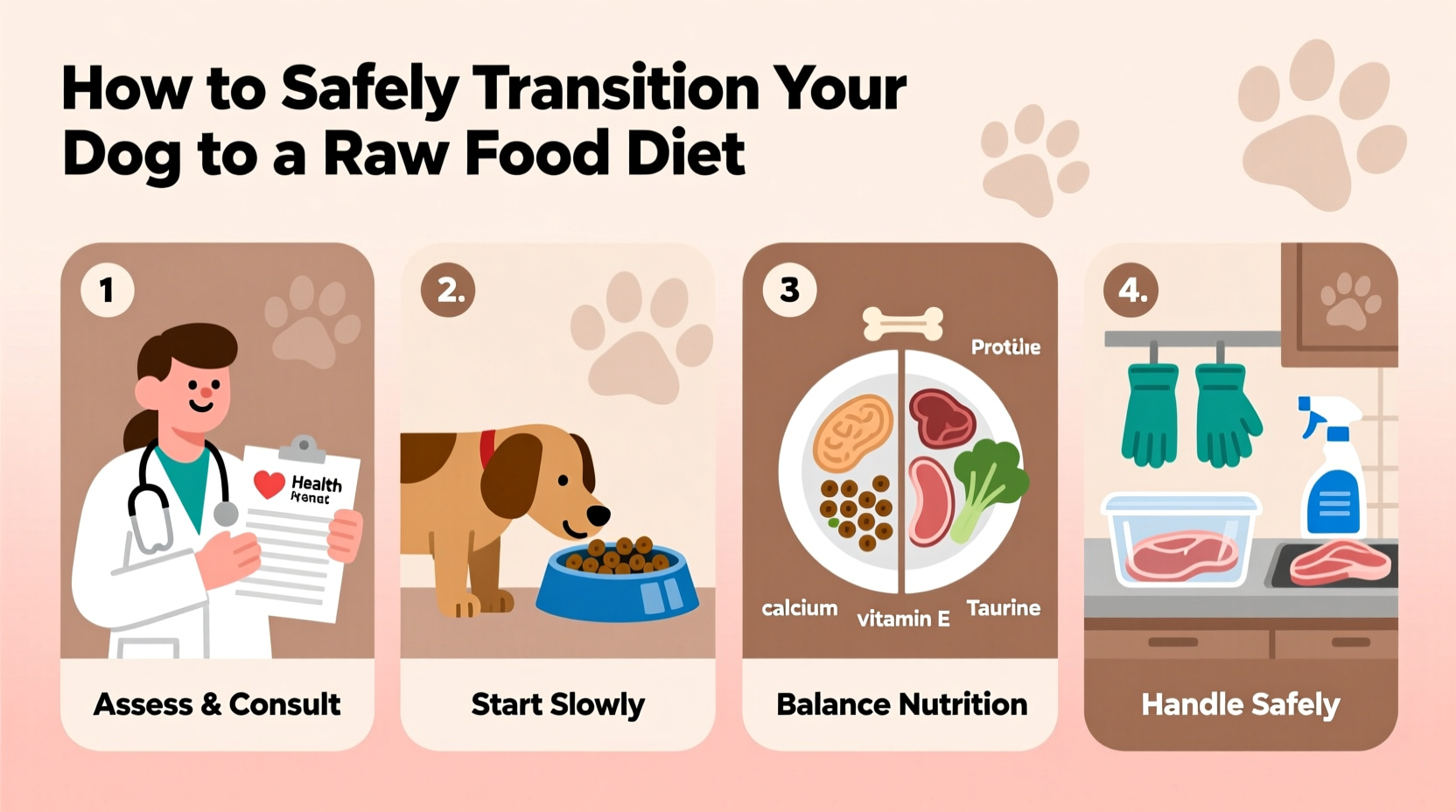
A raw food diet for dogs typically includes raw muscle meat, bones (edible, not weight-bearing), organ meats, eggs, and sometimes vegetables, fruits, and supplements. The philosophy behind raw feeding is rooted in the idea that dogs thrive on a diet closer to what their ancestors consumed in the wild—whole prey animals with minimal processing.
Proponents of raw diets report improvements in coat shine, dental health, energy levels, and reduced stool volume. However, veterinary opinions remain divided. Some experts caution about risks such as bacterial contamination, nutritional imbalances, and potential choking hazards from bones.
“Dogs are biologically equipped to digest raw meat, but that doesn’t mean any raw meal is automatically healthy. Balance and safety are non-negotiable.” — Dr. Laura Greensmith, DVM, Canine Nutrition Specialist
Essential Nutritional Components of a Balanced Raw Diet
Unlike kibble, which is formulated to meet AAFCO standards, homemade raw diets require deliberate attention to nutrient ratios. A balanced raw diet should include:
- Muscle meat (50–60%): Chicken, beef, turkey, lamb, or rabbit.
- Bones (10–15%): Edible bones like chicken necks or wings provide calcium and help clean teeth.
- Organ meats (10–15%): Liver (5–10%), kidneys, spleen—rich in vitamins A, B, D, and iron.
- Other components (10–20%): Eggs, dairy (in moderation), fish, leafy greens, and supplements if needed.
Nutrient Balance Checklist
| Nutrient | Primary Sources | Common Deficiency Risks |
|---|---|---|
| Calcium | Edible bones, eggshell powder, bone meal | Skeletal issues, especially in growing puppies |
| Phosphorus | Meat, organs, bones | Imbalance with calcium affects bone health |
| Vitamin D | Fatty fish, egg yolks, sunlight exposure | Poor calcium absorption |
| Taurine | Heart meat, seafood, dark poultry meat | Cardiac concerns in certain breeds |
| Omega-3 Fatty Acids | Fish oil, flaxseed, sardines | Dry skin, dull coat, inflammation |
Step-by-Step Guide to Transitioning Your Dog Safely
Switching abruptly to a raw diet can cause vomiting, diarrhea, or refusal to eat. A structured transition respects your dog’s digestive system and allows time for gut microbiome adaptation.
- Week 1: Introduce raw treats only – Offer small pieces of raw meat (e.g., chicken chunks) as snacks. Monitor for allergies or digestive reactions.
- Week 2: Replace 25% of one meal with raw food – Mix raw ground meat with regular kibble. Choose easily digestible proteins like turkey or lamb.
- Week 3: Increase to 50% raw – Feed half raw, half kibble in two separate meals if possible, since digestion speeds differ.
- Week 4: Go 75% raw – One full raw meal per day, plus one mixed or kibble meal.
- Week 5: Full transition – Serve 100% raw meals. Begin incorporating bones and organs gradually.
Real Example: Max, the 3-Year-Old Labrador
Max had chronic ear infections and low energy despite eating premium grain-free kibble. His owner, Sarah, consulted a veterinary nutritionist before starting a raw diet. She began with raw chicken and beef blends, slowly introducing green tripe and chicken hearts. By week six, Max was fully on raw. Within two months, his coat became noticeably shinier, his breath improved, and his vet noted healthier gums during his check-up. Blood work showed improved liver enzymes and stable nutrient levels.
Sarah credits success to professional guidance and patience. “I didn’t rush,” she said. “And I made sure every meal hit the right calcium-to-phosphorus ratio.”
Critical Safety Practices When Feeding Raw
Raw diets carry inherent risks, primarily from bacterial contamination like Salmonella and Listeria. These pathogens can affect both pets and humans, especially children, elderly individuals, or immunocompromised family members.
- Always handle raw meat with gloves and sanitize surfaces after preparation.
- Freeze meat for at least 72 hours before use to reduce parasite risk.
- Thaw food in the refrigerator—not on the counter.
- Discard uneaten raw food after 30 minutes to prevent bacterial growth.
- Never feed cooked bones—they can splinter and cause internal injury.
“Raw feeding isn’t inherently dangerous, but complacency is. Treat raw pet food with the same hygiene standards as raw human food.” — Dr. Marcus Bell, Veterinary Public Health Officer
FAQ: Common Questions About Raw Feeding
Can puppies eat a raw diet?
Yes, but extra care is required. Puppies need higher calcium and calorie intake for growth. Use pre-formulated raw puppy blends or consult a veterinary nutritionist to ensure proper bone-to-meat ratios and avoid developmental issues.
Do I need to supplement a raw diet?
It depends. If your raw meals lack variety or don’t include sufficient organs and bones, supplementation may be necessary. Common supplements include omega-3 oils, vitamin E, and iodine (especially if using non-fish seafood). A complete mineral blend may be recommended by a vet.
Is a raw diet suitable for dogs with health conditions?
Dogs with pancreatitis, kidney disease, or compromised immune systems may not tolerate raw diets well. Always consult your veterinarian before making dietary changes for medically sensitive pets.
Conclusion: Making an Informed Choice for Your Dog’s Health
Transitioning your dog to a raw food diet can be a rewarding journey toward better vitality and wellness—but only when approached with knowledge, care, and consistency. Success lies not just in serving raw meat, but in delivering balanced, safe, and species-appropriate nutrition over the long term.
Start slow, monitor your dog’s response closely, and don’t hesitate to seek professional advice. Whether you choose a fully homemade raw plan or opt for commercially prepared raw options, your commitment to quality nutrition sets the foundation for a longer, healthier life together.




 浙公网安备
33010002000092号
浙公网安备
33010002000092号 浙B2-20120091-4
Comments
No comments yet. Why don't you start the discussion?