
The Nintendo Switch HATS Pack—short for Headset Audio Transmission System—is a critical component for users who rely on high-quality audio during gameplay, voice chat, or streaming. Whether you're using wired headsets, wireless adapters, or third-party audio accessories, keeping the HATS firmware up to date ensures seamless connectivity, reduced latency, and improved sound fidelity. However, improper updates can lead to audio glitches, connection drops, or even temporary hardware disablement. This guide walks through the correct, safe process of updating the HATS Pack, offering practical steps, real-world insights, and expert-backed recommendations.
Understanding the HATS Pack and Its Role
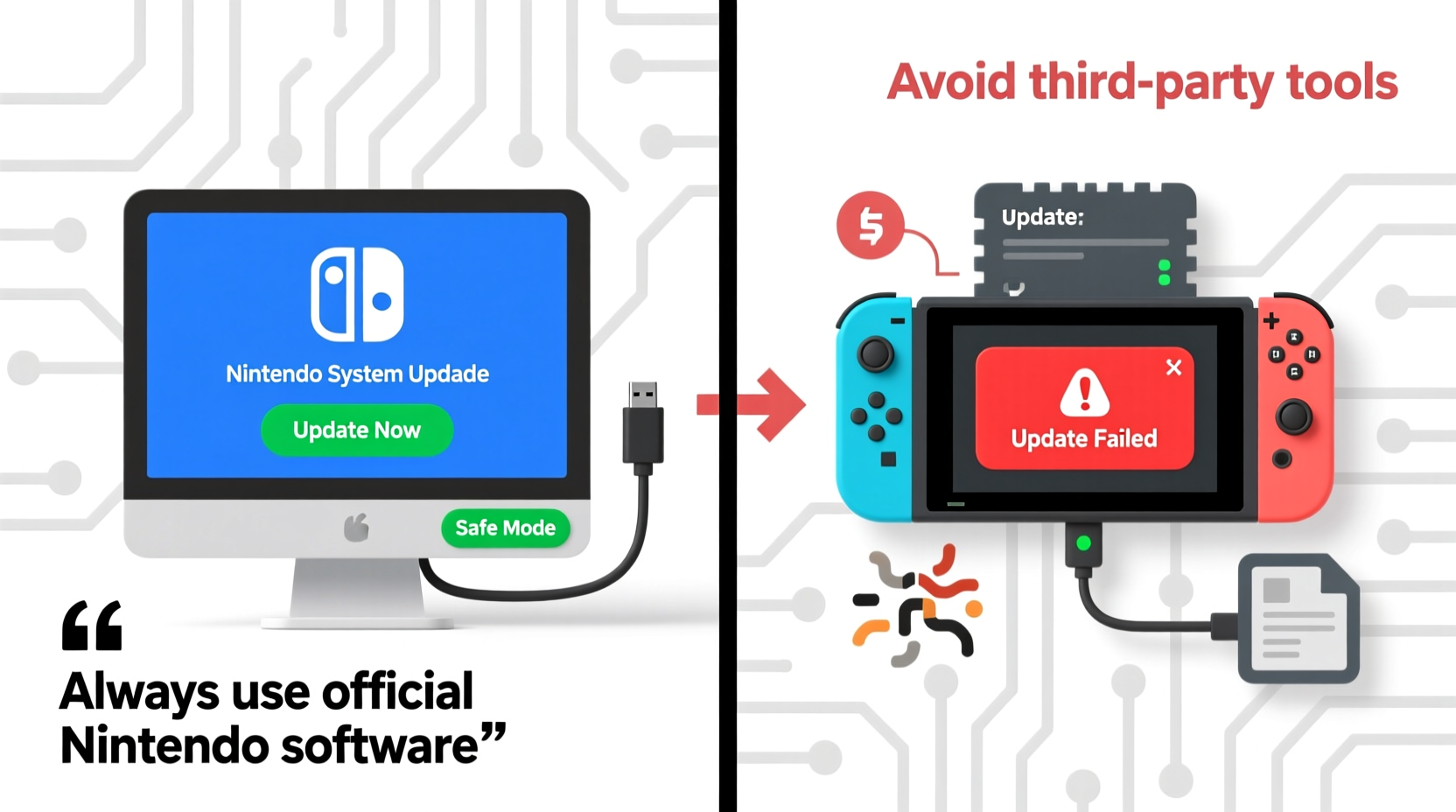
The HATS Pack is not a standalone game or app—it's firmware embedded in the Nintendo Switch system that manages audio signal routing between the console and connected audio devices. It governs everything from microphone input levels to headset battery reporting (in compatible models). Over time, Nintendo releases firmware patches to fix bugs, improve compatibility with new accessories, and enhance overall audio stability.
Outdated firmware may result in:
- Intermittent audio cutouts during multiplayer sessions
- Poor microphone clarity in voice chat
- Incompatibility with newer licensed headsets
- Increased power consumption from audio peripherals
Updating this firmware isn’t optional if you want consistent, high-performance audio. But because it interacts directly with system-level processes, caution is essential.
Step-by-Step Guide to Updating the HATS Pack
Nintendo does not release HATS Pack updates as standalone downloads. Instead, they are bundled within full system software updates. Therefore, updating the HATS Pack requires updating the entire console OS—but done correctly, this poses no risk to your data or saved games.
- Connect to a Stable Wi-Fi Network
Ensure your Switch is linked to a reliable internet connection. Use a 5GHz band if available to reduce download times and prevent interruptions. - Charge Your Console Fully
Plug your Switch into its official charger and ensure it has at least 80% battery before proceeding. Never attempt a system update on low power. - Back Up Save Data (Optional but Recommended)
While system updates rarely cause data loss, use Nintendo Switch Online cloud save or manually transfer saves via another user account to be safe. - Navigate to System Settings
From the Home menu, select the wrench icon to open System Settings. - Select “System” > “System Update”
The console will search for the latest firmware. If an update is available, confirm installation. - Wait for Installation to Complete
Do not turn off the console, remove the dock, or close the lid (for handheld mode) during the update. The process may take 10–20 minutes. - Restart and Verify
After rebooting, go back to System Settings > System > Console Information and confirm the version number has increased.
This process automatically includes any HATS Pack improvements released in that firmware version. As of firmware 17.0.0, Nintendo began explicitly listing audio subsystem enhancements in patch notes—look for phrases like “improves headset audio stability” or “enhances microphone input handling.”
Do’s and Don’ts When Updating HATS Firmware
| Do’s | Don’ts |
|---|---|
| Update during periods of low usage (e.g., not mid-game) | Interrupt the update by closing the console or unplugging it |
| Use the official Nintendo power adapter | Rely on portable chargers with unstable output |
| Check patch notes for audio-related fixes | Assume all updates include HATS improvements |
| Test audio devices post-update | Ignore error messages related to audio initialization |
“Firmware updates are the unsung heroes of gaming hardware longevity. A single patch can resolve months of unexplained audio lag.” — Marcus Lin, Senior Hardware Engineer at GameTech Labs
Real-World Example: Fixing Persistent Chat Audio Dropouts
Daniel, a competitive Splatoon 3 player from Austin, had been experiencing recurring voice chat disconnections during ranked matches. His licensed Turtle Beach headset would mute randomly, forcing teammates to communicate via text. He tested multiple cables, reset Bluetooth pairings, and even replaced the headset—only for the issue to persist.
After consulting Nintendo Support, he was advised to check his system version. His console was running firmware 15.0.1, while the latest was 16.0.3. The patch notes for 16.0.3 included: “Improved stability when using USB audio devices in online voice chat.” Daniel updated his system following the steps above. Post-update, his audio remained stable across 50+ matches with zero dropouts.
This case illustrates how seemingly isolated issues often stem from outdated firmware—not faulty hardware.
Troubleshooting Common Post-Update Issues
Even when performed correctly, updates can occasionally introduce unexpected behavior. Here’s how to address them:
- No audio after update: Re-pair your headset. Go to System Settings > Audio > Headset Audio Output and toggle the device off and on.
- Microphone not detected: Check if the mic is muted via the console’s quick settings menu. Also verify physical mute switches on the headset.
- Lag between gameplay and audio: Disable any EQ or surround sound presets on the headset itself. The console now handles spatial audio more efficiently; external processing can create delays.
Frequently Asked Questions
Does every system update include HATS Pack changes?
No. While most major updates do include underlying audio improvements, minor patches may focus solely on security or UI tweaks. Always review the official patch notes on Nintendo’s support site to confirm audio-related updates.
Can I update the HATS Pack without internet access?
Yes, but only via a computer. Download the full system update file from Nintendo’s website, transfer it to a microSD card, and install it through Maintenance Mode. This method is advanced and should only be used if Wi-Fi is unavailable.
Will updating erase my downloaded games or DLC?
No. System updates preserve all user data, installed software, and save files. However, the console may need to reindex content briefly after restarting.
Final Checklist Before Updating
- ✅ Confirm Wi-Fi connection strength
- ✅ Charge console to at least 80%
- ✅ Back up important save data
- ✅ Close all active games and apps
- ✅ Review official patch notes for audio fixes
- ✅ Prepare to wait uninterrupted for 20 minutes
Conclusion
Keeping the Nintendo Switch HATS Pack updated is a small action with significant returns: smoother voice chat, clearer audio output, and better peripheral compatibility. By following Nintendo’s official update process and taking simple precautions, you eliminate risks and maximize performance. These updates are designed to refine your experience, not complicate it. Treat them as routine maintenance—like defragmenting a hard drive or calibrating a controller—and your Switch will deliver consistently sharp audio for years.




 浙公网安备
33010002000092号
浙公网安备
33010002000092号 浙B2-20120091-4
Comments
No comments yet. Why don't you start the discussion?