
Baking soda has long been praised as a natural solution for brighter teeth. Found in nearly every kitchen, sodium bicarbonate is celebrated for its mild abrasiveness and alkaline properties that help neutralize acids and lift surface stains. However, despite its popularity, improper use of baking soda can lead to irreversible enamel erosion, increased tooth sensitivity, and even gum irritation. The key lies not in whether baking soda works, but in how it’s used. When applied correctly—sparingly, gently, and in combination with protective practices—it can be an effective component of a safe, at-home whitening routine.
This guide explores the science behind baking soda’s whitening action, outlines safe usage protocols, and provides practical steps to achieve visible results without compromising dental health. Whether you're considering trying baking soda for the first time or have used it inconsistently in the past, understanding the balance between efficacy and safety is essential.
The Science Behind Baking Soda and Teeth Whitening
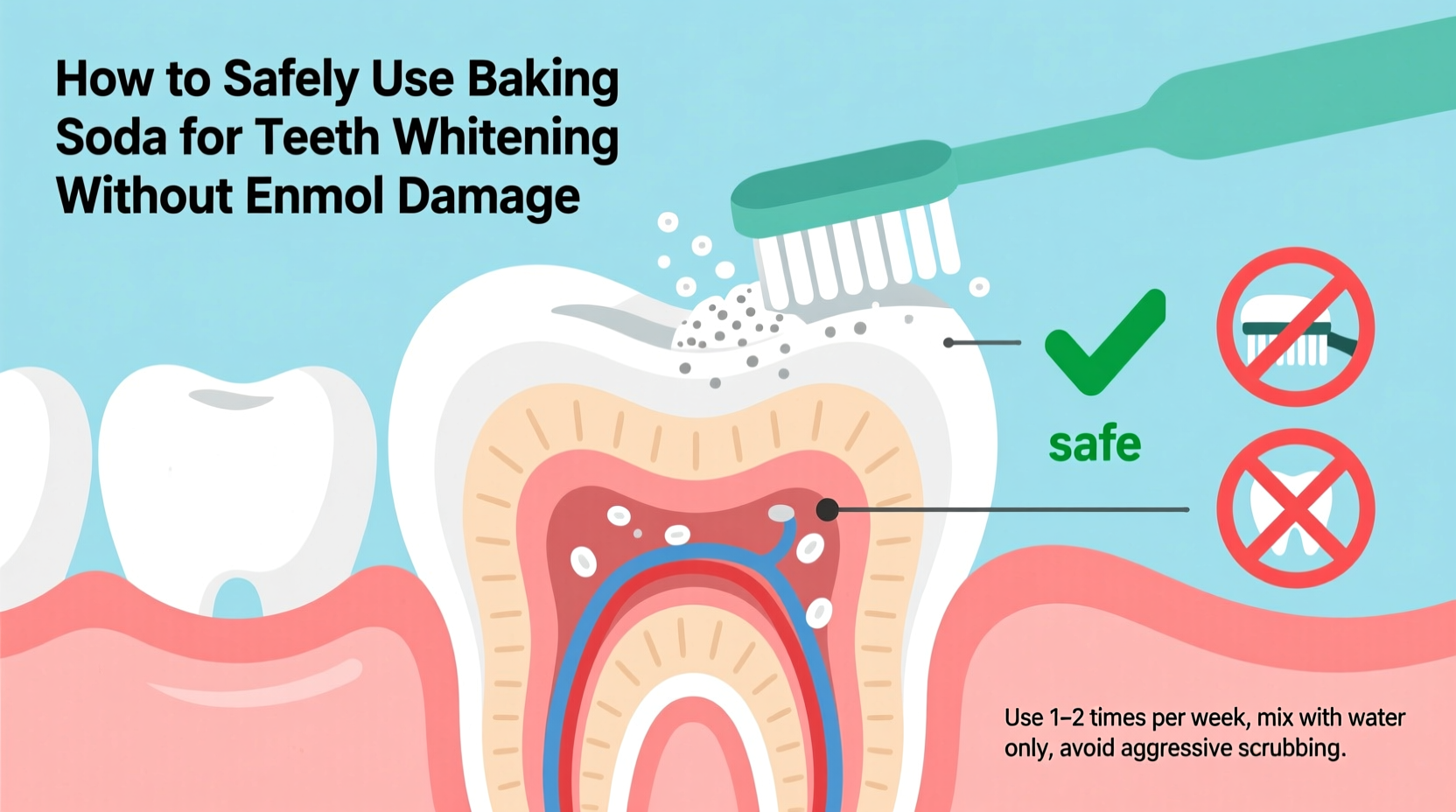
Baking soda, or sodium bicarbonate, works through two primary mechanisms: physical abrasion and chemical interaction. As a mild abrasive, it gently scrubs away surface-level stains caused by coffee, tea, wine, and tobacco. Unlike harsher whitening agents that penetrate the enamel, baking soda acts externally, making it less likely to cause internal tooth sensitivity when used properly.
Additionally, baking soda is alkaline, which helps neutralize acidic environments in the mouth. Acidic conditions soften enamel and promote demineralization, increasing vulnerability to decay and erosion. By raising the pH level in the mouth, baking soda creates a less favorable environment for harmful bacteria and supports remineralization when paired with fluoride.
According to the American Dental Association (ADA), baking soda is “effective in removing superficial tooth stains” and is considered safe for daily use in toothpaste formulations due to its low Relative Dentin Abrasivity (RDA) value when properly balanced. However, the ADA also cautions against using pure baking soda directly on teeth too frequently, as overuse can wear down enamel over time.
“Baking soda can be a helpful adjunct in oral care, but it should never replace fluoride toothpaste or professional hygiene practices.” — Dr. Linda Chen, Clinical Dentist and Oral Health Educator
Safe Usage Guidelines: How to Use Baking Soda Without Harming Enamel
The biggest risk associated with baking soda use is mechanical abrasion from aggressive brushing or frequent application. Enamel, though the hardest substance in the human body, does not regenerate. Once lost, it cannot be restored. Therefore, protecting it during any whitening regimen is non-negotiable.
To minimize risk while maximizing benefits, follow these evidence-based guidelines:
- Limited frequency: Use baking soda no more than 1–2 times per week. Daily use increases the likelihood of enamel wear.
- Dilute before use: Never apply dry baking soda directly to teeth. Mix it with water or combine it with fluoride toothpaste to reduce abrasiveness.
- Use a soft-bristled brush: Hard bristles combined with abrasive particles can accelerate enamel loss and irritate gums.
- Gentle brushing technique: Apply light pressure and use circular motions rather than scrubbing horizontally.
- Rinse thoroughly: After use, rinse your mouth well to remove residual particles that could linger and erode enamel over time.
Step-by-Step Guide to Safe Baking Soda Whitening
For those ready to incorporate baking soda into their routine, this five-step method ensures effectiveness while prioritizing enamel protection.
- Prepare the mixture: In a small bowl, mix one teaspoon of baking soda with two teaspoons of water to form a smooth paste. Alternatively, blend half a teaspoon of baking soda into your regular fluoride toothpaste.
- Wet your toothbrush: Dampen a soft-bristled toothbrush. Avoid soaking it, as excess water can dilute the paste.
- Apply gently: Dip the brush into the mixture and begin brushing using small, circular motions. Focus on the front surfaces of the teeth where staining is most visible.
- Brush for two minutes: Maintain gentle pressure. Do not rush; thoroughness matters more than force.
- Rinse and follow up: Spit out the paste and rinse your mouth thoroughly with water. Follow with a fluoride mouthwash or regular brushing with fluoride toothpaste to strengthen enamel.
Repeat this process once weekly for four to six weeks to assess results. If sensitivity develops, discontinue use immediately and consult a dentist.
Do’s and Don’ts of Baking Soda Teeth Whitening
To clarify best practices and avoid common mistakes, refer to the table below summarizing critical dos and don’ts.
| Do’s | Don’ts |
|---|---|
| Mix baking soda with water or fluoride toothpaste | Use dry baking soda straight from the box |
| Limited to 1–2 uses per week | Use daily or multiple times a day |
| Use a soft-bristled toothbrush | Scrub aggressively with hard bristles |
| Rinse thoroughly after use | Leave residue on teeth overnight |
| Combine with fluoride products post-treatment | Replace regular toothpaste entirely with baking soda |
| Monitor for sensitivity or gum irritation | Ignore pain or increased sensitivity |
This structured approach minimizes risks while allowing users to benefit from baking soda’s stain-lifting capabilities. Remember, moderation is the cornerstone of safety.
Real-World Example: A Cautionary Case
Sarah, a 32-year-old marketing professional, wanted to brighten her smile ahead of her wedding. She began using baking soda three times a week, mixing it with lemon juice based on a viral social media trend. Within two months, she noticed sharp pain when drinking cold beverages and visible translucency along the edges of her front teeth.
Upon visiting her dentist, Sarah was diagnosed with early-stage enamel erosion. The acidity of lemon juice had softened her enamel, and the abrasive action of baking soda accelerated its loss. Her dentist advised her to stop the practice immediately, prescribed a high-fluoride toothpaste, and recommended bonding procedures to restore the affected areas.
Sarah’s experience underscores a crucial point: natural doesn’t always mean safe. Combining baking soda with acidic ingredients or overusing it—even with good intentions—can backfire dramatically.
“Patients often assume that because something is ‘natural,’ it’s harmless. But tooth enamel is delicate, and once it’s gone, it’s gone.” — Dr. Marcus Reed, Restorative Dentistry Specialist
Enhancing Results Safely: Complementary Practices
Baking soda alone won’t deliver dramatic whitening like professional treatments, but when combined with supportive habits, it contributes to a brighter, healthier smile.
- Maintain excellent oral hygiene: Brush twice daily with fluoride toothpaste, floss daily, and visit your dentist every six months.
- Limit stain-causing foods: Reduce intake of coffee, red wine, dark berries, and tobacco to prevent new stains from forming.
- Rinse after meals: Swish with water after eating to wash away pigments and acids.
- Use a straw: When drinking staining liquids, use a straw to minimize contact with front teeth.
- Incorporate remineralizing products: Consider toothpastes or rinses containing calcium phosphate or hydroxyapatite to support enamel strength.
These strategies enhance the effects of occasional baking soda use and protect the structural integrity of your teeth over time.
Frequently Asked Questions
Can baking soda whiten tetracycline or fluorosis stains?
No. Baking soda only removes surface-level extrinsic stains. Deep intrinsic discoloration caused by medications like tetracycline or excessive fluoride exposure requires professional treatments such as bleaching, veneers, or microabrasion.
Is it safe to mix baking soda with hydrogen peroxide?
In moderation, yes. A common DIY recipe combines one teaspoon of baking soda with enough hydrogen peroxide (3%) to form a paste. While studies suggest this combination may enhance whitening, it should still be limited to once a week. Overuse can increase gum irritation and enamel wear. Always patch-test first and discontinue if discomfort occurs.
Why do my gums feel irritated after using baking soda?
Baking soda is alkaline and can disrupt the soft tissue balance in the mouth if left in contact for too long. Irritation usually resolves within hours, but persistent redness or bleeding warrants discontinuation. Try reducing frequency or diluting the mixture further with water.
Checklist: Safe Baking Soda Whitening Routine
Before starting or continuing your baking soda regimen, verify you’re following best practices:
- ☑ Use only 1–2 times per week
- ☑ Mix with water or fluoride toothpaste (never use dry)
- ☑ Use a soft-bristled toothbrush
- ☑ Brush gently in circular motions
- ☑ Rinse mouth thoroughly afterward
- ☑ Follow up with fluoride product
- ☑ Monitor for sensitivity or gum changes
- ☑ Avoid combining with acidic ingredients (e.g., lemon, vinegar)
- ☑ Wait 30 minutes after eating/drinking before brushing
- ☑ Consult your dentist if unsure about suitability
Conclusion: Balance Efficacy with Long-Term Dental Health
Baking soda can play a role in achieving a whiter smile—but only when used responsibly. Its benefits are real, yet they come with clear boundaries. Respecting the limits of frequency, abrasiveness, and compatibility with other substances ensures that short-term cosmetic gains don’t compromise lifelong oral health.
The goal isn’t just a brighter smile today, but a stronger, more resilient one tomorrow. By integrating baking soda mindfully into a broader oral care strategy, you harness its advantages while safeguarding your enamel. Start conservatively, pay attention to your body’s signals, and prioritize professional guidance when in doubt.




 浙公网安备
33010002000092号
浙公网安备
33010002000092号 浙B2-20120091-4
Comments
No comments yet. Why don't you start the discussion?