
Essential oils have surged in popularity for their natural fragrance and therapeutic benefits. Many people use diffusers to purify the air, reduce stress, or support sleep. However, what’s safe for humans isn’t always safe for pets. Cats, dogs, birds, and even small mammals like rabbits can be highly sensitive to the volatile compounds in essential oils. When diffused into the air, these concentrated plant extracts can become airborne irritants or toxins—sometimes with life-threatening consequences.
Understanding which scents are harmful and how to use diffusers responsibly is crucial for pet owners who want to enjoy aromatherapy without endangering their animals. This guide provides a comprehensive look at essential oil safety for pets, identifies the most dangerous oils, and offers practical strategies to minimize risk while maintaining a pleasant home environment.
Why Essential Oils Can Be Dangerous for Pets
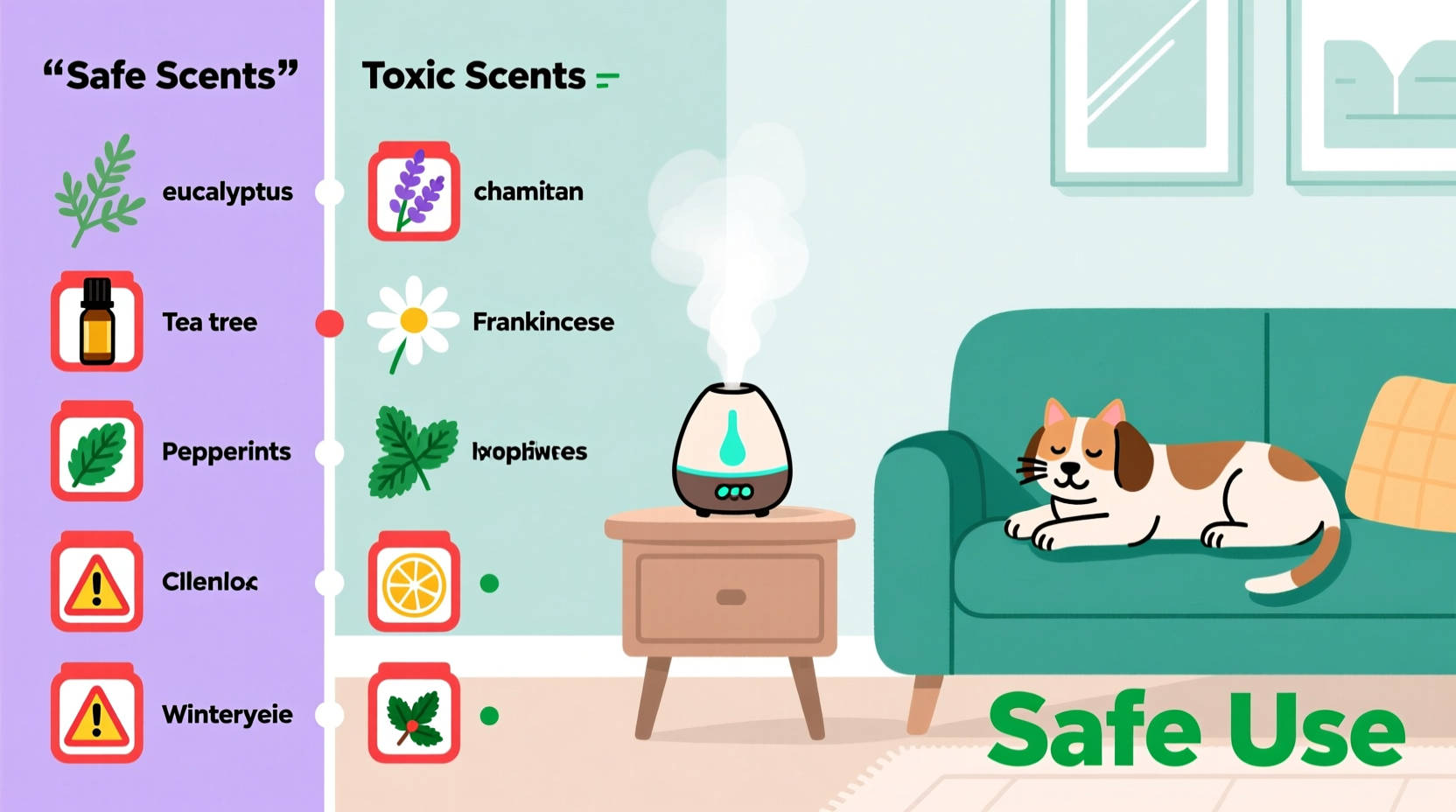
Animals process chemicals differently than humans. One of the primary concerns lies in their liver metabolism. For example, cats lack certain enzymes (specifically glucuronyl transferase) needed to break down phenolic compounds found in many essential oils, such as those in tea tree, eucalyptus, and citrus oils. This makes them especially vulnerable to toxicity.
Dogs, while more resilient than cats, still have heightened olfactory sensitivity. Their sense of smell is up to 100,000 times stronger than humans’, meaning even low concentrations of essential oils can overwhelm their respiratory system or nervous system. Birds are perhaps the most sensitive due to their highly efficient respiratory systems, which allow rapid absorption of airborne particles—including volatile organic compounds from diffused oils.
When essential oils are aerosolized through a diffuser, tiny droplets linger in the air and can be inhaled deeply into the lungs or settle on fur, feathers, or skin. From there, they may be ingested during grooming. Even indirect exposure over time can lead to chronic issues like respiratory distress, liver damage, or neurological symptoms.
“Many essential oils are metabolized by the liver, and species like cats don’t have the necessary pathways to detoxify them. That puts them at significant risk.” — Dr. Susan Wynn, Veterinary Integrative Medicine Specialist
Common Toxic Scents: Essential Oils That Are Harmful to Pets
Not all essential oils pose the same level of danger, but several commonly used varieties are known to be toxic when diffused around pets. The following table outlines high-risk oils and the associated dangers for different animal types:
| Essential Oil | Risk Level (Cats) | Risk Level (Dogs) | Risk Level (Birds) | Key Symptoms of Exposure |
|---|---|---|---|---|
| Tea Tree (Melaleuca) | High | Medium | High | Lethargy, tremors, weakness, vomiting |
| Eucalyptus | High | Medium | Extreme | Respiratory distress, drooling, seizures |
| Peppermint | High | Medium | High | Coughing, difficulty breathing, gastrointestinal upset |
| Citrus (Lemon, Orange, Grapefruit) | High | Low-Medium | High | Skin irritation, photosensitivity, aspiration pneumonia |
| Pine | High | Medium | Extreme | Lung irritation, chemical burns in airways |
| Cinnamon | High | Medium | High | Mouth sores, liver damage, low blood sugar |
| Ylang Ylang | High | High | High | Vomiting, cardiac abnormalities, depression |
| Lavender (in moderation) | Low-Medium | Low | Medium | Sedation, ataxia (loss of coordination), dermatitis |
Note: While lavender is often considered “safer,” it contains linalool and linalyl acetate, which can still cause adverse reactions in sensitive animals—especially if used frequently or in high concentrations.
Safe Practices for Using Diffusers Around Pets
It’s possible to enjoy essential oil diffusion while keeping your pets safe—if you take the right precautions. The key is minimizing exposure, choosing safer oils, and monitoring your pet’s behavior closely.
- Diffuse only in pet-free rooms: Run the diffuser in a room your pet doesn’t access, and ensure doors remain closed. Allow several hours of ventilation before letting your pet enter the space.
- Limit diffusion time: Use intermittent settings—15 minutes on, 30 minutes off—and never run a diffuser continuously for more than 1–2 hours per day.
- Choose pet-safe oils cautiously: If you must diffuse around pets, consider very mild oils like diluted lavender or chamomile—but only in well-ventilated areas and for short durations.
- Avoid ultrasonic diffusers in multi-pet homes: These create fine mists that linger in the air and settle on surfaces. Nebulizing diffusers are even more potent and should be avoided entirely around animals.
- Keep diffusers out of reach: Prevent curious pets from knocking over devices or licking oil residues from nearby surfaces.
- Watch for signs of distress: Coughing, sneezing, lethargy, pawing at the face, or excessive grooming after diffusion could indicate a reaction.
Step-by-Step Guide: How to Safely Introduce Aromatherapy in a Pet Household
- Assess your pet’s species and health: Birds and cats are highest risk. Elderly or sick animals are more vulnerable.
- Research every oil: Before using any oil, verify its safety profile for your specific pet type via reputable sources like the ASPCA or veterinary databases.
- Start with no diffusion: Place a single drop of oil on a cotton ball in a room your pet doesn’t use. Observe for 24 hours.
- Use only low-risk oils: Stick to minimal amounts of oils like frankincense or cedarwood, which have lower volatility and fewer reported incidents.
- Diffuse briefly and ventilate: Run the diffuser for 10–15 minutes in an empty room, then open windows and wait at least two hours before re-entry.
- Monitor your pet: After reintroducing them to the space, watch for any changes in breathing, energy, or behavior.
- Discontinue immediately if any reaction occurs: Even mild symptoms warrant stopping use and consulting a vet.
Real-Life Scenario: When Aromatherapy Went Wrong
In 2021, a cat owner in Portland began using a eucalyptus diffuser to help with seasonal allergies. She ran it for two hours each evening in her bedroom, where her 3-year-old domestic shorthair liked to nap on the windowsill. Within three days, the cat became increasingly lethargic, refused food, and developed labored breathing. The owner rushed her to an emergency vet, where blood tests revealed liver enzyme elevations consistent with essential oil toxicity. The diagnosis: inhalation exposure to eucalyptus oil.
After 48 hours of supportive care, including IV fluids and liver protectants, the cat recovered. The veterinarian emphasized that even brief daily exposure in a poorly ventilated space was enough to cause harm. The owner discontinued all diffuser use and switched to HEPA air filtration instead.
This case highlights how easily well-intentioned habits can endanger pets—especially when ventilation is inadequate and exposure is repeated.
Checklist: Essential Oil Diffuser Safety for Pet Owners
- ✅ Identify all pets in the home and their sensitivities (e.g., bird = high risk)
- ✅ Research each essential oil for pet toxicity before purchase or use
- ✅ Choose diffuser locations away from pet zones (bedrooms, cages, litter boxes)
- ✅ Use timers to limit diffusion to under 30 minutes at a time
- ✅ Ensure strong ventilation—open windows or use fans during and after use
- ✅ Watch pets closely for signs of respiratory or neurological distress
- ✅ Keep a list of emergency vet contacts and poison control numbers accessible
- ✅ Consider alternatives like simmering herbs (e.g., cinnamon sticks, orange peels) for scent
Frequently Asked Questions
Can I ever use lavender oil around my dog?
Lavender oil is one of the less toxic options and is sometimes used in canine calming products. However, only use it in highly diluted forms (less than 1% concentration) and never in a diffuser if your dog has respiratory issues. Direct skin application should be avoided unless under veterinary guidance.
Are there any completely safe essential oils for cats?
There are no essential oils considered completely safe for cats due to their unique liver metabolism. Even oils marketed as “cat-friendly” can pose risks when diffused. The safest approach is to avoid diffusing any essential oils in homes with felines.
What should I do if my pet shows signs of essential oil poisoning?
Immediately remove your pet from the area, turn off the diffuser, and ventilate the space. Contact your veterinarian or the ASPCA Animal Poison Control Center (888-426-4435) right away. Do not induce vomiting unless instructed by a professional.
Conclusion: Balancing Wellness and Pet Safety
Essential oil diffusers can enhance mood and ambiance, but they come with responsibilities—especially in households with pets. The difference between wellness and harm often lies in awareness and restraint. By understanding which scents are toxic, respecting species-specific vulnerabilities, and adopting cautious diffusion practices, you can maintain a healthy environment for both yourself and your animal companions.
Consider this: the comfort of a softly scented room is temporary, but your pet’s health is lasting. When in doubt, err on the side of caution. Explore non-oil alternatives like indoor plants, beeswax candles, or simple window ventilation to refresh your space. Your pets may not speak our language, but their well-being speaks volumes about the choices we make.




 浙公网安备
33010002000092号
浙公网安备
33010002000092号 浙B2-20120091-4
Comments
No comments yet. Why don't you start the discussion?