
Essential oils have become a staple in modern households for their natural fragrance, mood-enhancing properties, and potential health benefits. From diffusing lavender to ease anxiety to using tea tree oil for cleaning, these concentrated plant extracts offer powerful advantages. However, what’s safe for humans isn’t always safe for pets. Cats, dogs, birds, and even small mammals like rabbits can be highly sensitive—or even fatally affected—by certain essential oils.
Their smaller bodies, unique metabolisms, and grooming behaviors increase the risk of exposure and toxicity. For example, cats lack specific liver enzymes needed to break down compounds found in many essential oils, making them especially vulnerable. Dogs may inhale or absorb oils through their skin during walks near diffusers or treated surfaces. Birds, with their extremely sensitive respiratory systems, can suffer acute distress from even minimal airborne exposure.
Safely incorporating essential oils into a pet-inclusive home requires knowledge, caution, and proactive planning. This guide provides evidence-based strategies to enjoy aromatherapy while protecting your animal companions from harm.
Understanding Pet Sensitivity to Essential Oils
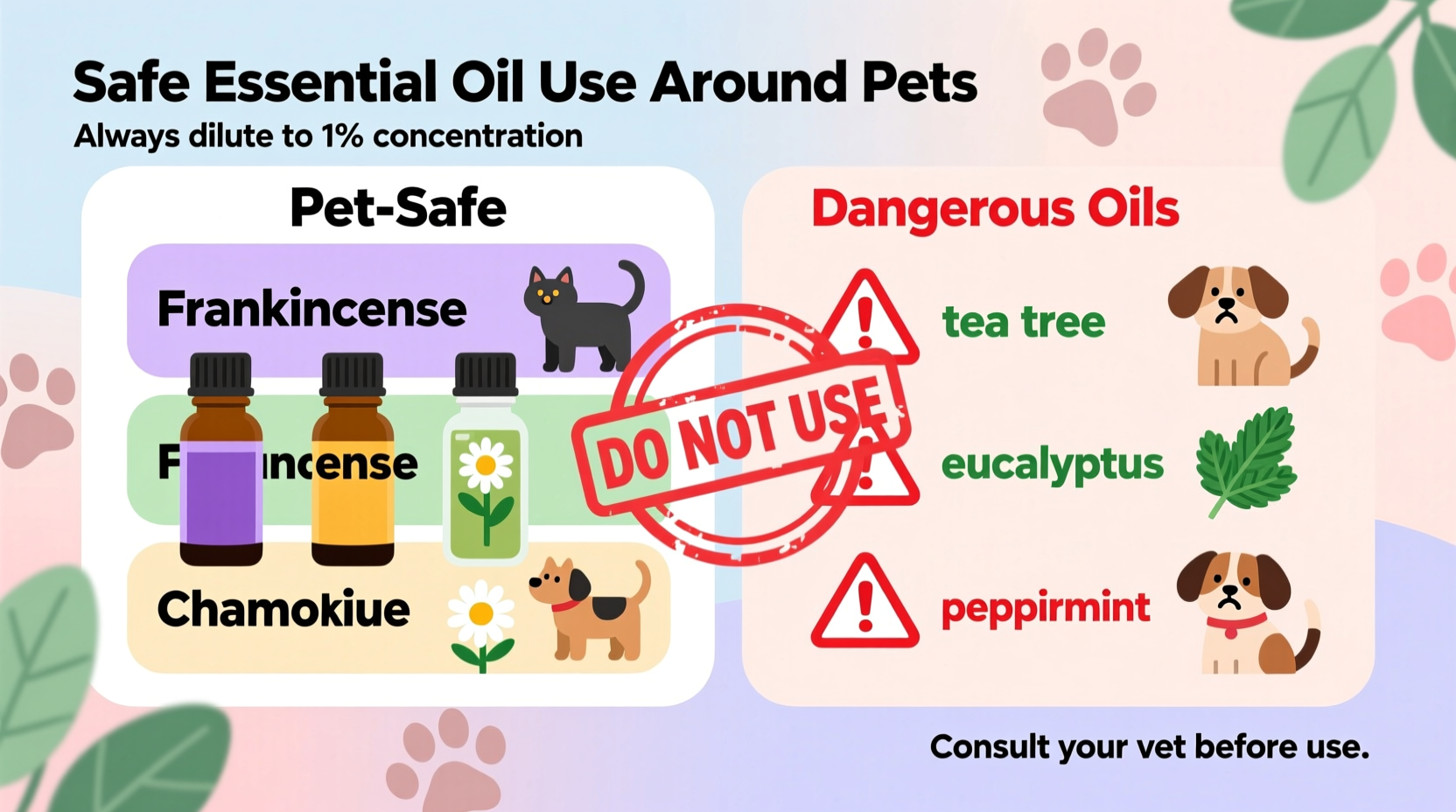
Not all essential oils are created equal—and neither are the ways animals process them. While humans can metabolize many terpenes and phenols found in essential oils, pets often cannot. The primary danger lies in three exposure routes: inhalation, dermal (skin), and ingestion. Pets are particularly prone to accidental ingestion because they groom themselves, licking oils off their fur or paws after contact with contaminated surfaces.
Cats are among the most at-risk species due to a deficiency in glucuronyl transferase, a liver enzyme responsible for processing toxins. Without it, compounds like phenols in oregano, thyme, and clove oils can accumulate to dangerous levels. Dogs, though more resilient, can still experience vomiting, lethargy, or neurological symptoms when exposed to high concentrations. Birds, with their efficient but fragile respiratory systems, may develop pneumonia or respiratory failure within minutes of exposure to diffused oils.
Even oils considered “gentle” for humans—such as eucalyptus, citrus, peppermint, and pine—can trigger adverse reactions in animals. Symptoms of essential oil toxicity include drooling, difficulty breathing, muscle tremors, wobbling, low heart rate, and skin irritation. In severe cases, organ damage or death may occur.
“Pet owners often don’t realize that a few drops of essential oil in a diffuser can be enough to poison a small dog or cat. These oils are highly concentrated and must be treated with the same caution as medications.” — Dr. Karen Heinrich, DVM, Veterinary Toxicologist
Pet-Safe vs. High-Risk Essential Oils
While no essential oil is 100% risk-free around pets, some are less harmful when used with extreme care. Others should be avoided entirely. The following table outlines common essential oils categorized by safety level for household pets.
| Oil Name | Safety Level (Pets) | Notes |
|---|---|---|
| Lavender (diluted) | Moderate (dogs only) | May cause sedation; never apply directly. Avoid around cats and birds. |
| Chamomile (Roman) | Moderate (dogs) | Generally mild, but only if highly diluted and used briefly. |
| Frankincense | Low Risk (with precautions) | One of the safer options; still avoid diffusion around birds and cats. |
| Eucalyptus | High Risk | Toxic via inhalation and skin contact. Can cause seizures in dogs and cats. |
| Tea Tree (Melaleuca) | High Risk | Linked to numerous pet poisonings. Even 10–20 drops can be fatal to cats. |
| Citrus (Lemon, Orange, Grapefruit) | High Risk | Limonene content is toxic to cats. Can cause photosensitivity in dogs. |
| Peppermint | High Risk | Respiratory irritant; can lead to aspiration pneumonia in small animals. |
| Clove | Extreme Risk | Eugenol causes liver damage and coagulopathy in cats and dogs. |
| Pine, Cinnamon, Wintergreen | Extreme Risk | Highly irritating; linked to multi-organ failure in pets. |
Step-by-Step Guide to Safe Use in Pet Homes
Using essential oils safely around pets isn’t about eliminating them altogether—it’s about minimizing risk through smart practices. Follow this step-by-step approach to reduce exposure while still enjoying aromatherapy benefits.
- Assess Your Pet’s Species and Health Status
Start by identifying which animals live in or frequently visit your home. Birds and cats require the strictest precautions. Elderly, sick, or immunocompromised pets are more vulnerable. - Choose Safer Alternatives
Opt for non-toxic, pet-friendly scents like diluted frankincense or very occasional chamomile—if used at all. Consider unscented alternatives for daily use. - Avoid Diffusion in Shared Spaces
If you must diffuse, do so in a room your pet cannot access. Close doors, ensure ventilation, and limit sessions to 15–30 minutes max. Never use ultrasonic diffusers in homes with birds. - Keep Oils Out of Reach
Store bottles in locked cabinets. Spills can lead to paw exposure or accidental ingestion during grooming. - Never Apply Directly to Pets
Do not use essential oils in homemade sprays, collars, or flea treatments unless under veterinary guidance. Most over-the-counter “natural” pet products containing oils are unregulated and potentially dangerous. - Monitor Surfaces and Fabrics
Oils linger on carpets, furniture, and bedding. Wipe down surfaces after use and avoid spraying near pet beds or litter boxes. - Observe for Signs of Distress
Watch for excessive drooling, sneezing, pacing, or hiding. Turn off diffusers immediately and ventilate the area if symptoms appear.
Real-Life Scenario: A Cautionary Example
In suburban Colorado, Sarah began using a lavender and tea tree oil blend in her living room diffuser to help with stress. She loved the calming scent and noticed her dog Max seemed relaxed too—at first. Within a week, Max became lethargic, refused food, and started vomiting. A visit to the emergency vet revealed elevated liver enzymes and signs of essential oil toxicity. Though Max survived, he required hospitalization and weeks of recovery.
The culprit? Tea tree oil. Despite being marketed as “natural” and “safe,” just a few drops dispersed nightly were enough to overwhelm Max’s system. Sarah had no idea the combination was dangerous—even in low concentrations. After consulting a veterinary toxicologist, she removed all essential oils from her home and switched to scent-free alternatives.
This case highlights a common misconception: natural does not mean safe. Well-intentioned use can have serious consequences when pet physiology isn’t taken into account.
Checklist: Essential Oil Safety for Pet Owners
- ✅ Identify which pets are in your home (cats, dogs, birds, rodents)
- ✅ Research each essential oil for pet toxicity before use
- ✅ Store all oils in child-proof, pet-inaccessible cabinets
- ✅ Avoid diffusing in rooms pets occupy regularly
- ✅ Limit diffusion time to under 30 minutes per session
- ✅ Use only one drop of mild oil (e.g., frankincense) if diffusing with pets nearby
- ✅ Never apply oils directly to pet fur, skin, or collars
- ✅ Clean spills immediately with soap and water
- ✅ Watch for symptoms: coughing, drooling, tremors, weakness
- ✅ Keep the ASPCA Animal Poison Control number handy: (888) 426-4435
Frequently Asked Questions
Can I use a diffuser if my dog leaves the room?
Yes, but only if the room is fully sealed and well-ventilated afterward. Wait at least an hour before allowing your dog back in, and ensure there's no residue on floors or furniture.
Are there any 100% safe essential oils for cats?
No. Due to their unique liver metabolism, cats should not be exposed to any essential oils via diffusion or topical application. Even \"mild\" oils like lavender can cause toxicity over time.
What should I do if my pet licks an essential oil?
Do not induce vomiting. Wipe the mouth with a damp cloth and contact your veterinarian or the ASPCA Animal Poison Control Center immediately. Have the oil bottle ready for ingredient identification.
Final Thoughts and Recommendations
Living harmoniously with pets means rethinking what we assume is harmless. Essential oils offer undeniable benefits, but those benefits must never come at the expense of animal well-being. The safest approach is prevention: avoiding high-risk oils, limiting diffusion, and prioritizing pet-free zones in your home.
When in doubt, consult your veterinarian—especially before introducing new products into your routine. Advances in veterinary medicine continue to reveal how deeply essential oils can impact animal health, often in ways invisible until it’s too late.
You don’t have to give up aromatherapy completely. You simply need to practice informed, responsible use. By adjusting habits and respecting biological differences, you can maintain a peaceful, fragrant home that’s truly safe for every member of your family—including the four-legged ones.




 浙公网安备
33010002000092号
浙公网安备
33010002000092号 浙B2-20120091-4
Comments
No comments yet. Why don't you start the discussion?