
Retinol and vitamin C are two of the most celebrated ingredients in skincare for their proven ability to improve texture, reduce signs of aging, and brighten dull complexions. Retinol, a derivative of vitamin A, accelerates cell turnover and stimulates collagen production. Vitamin C, a potent antioxidant, protects against environmental damage and evens out skin tone. When used correctly, they can be a dynamic duo. However, because both are active compounds that exfoliate and sensitize the skin, combining them improperly can lead to redness, dryness, peeling, and inflammation. The key is not avoiding them together—but mastering how to use them safely.
Understanding How Retinol and Vitamin C Work
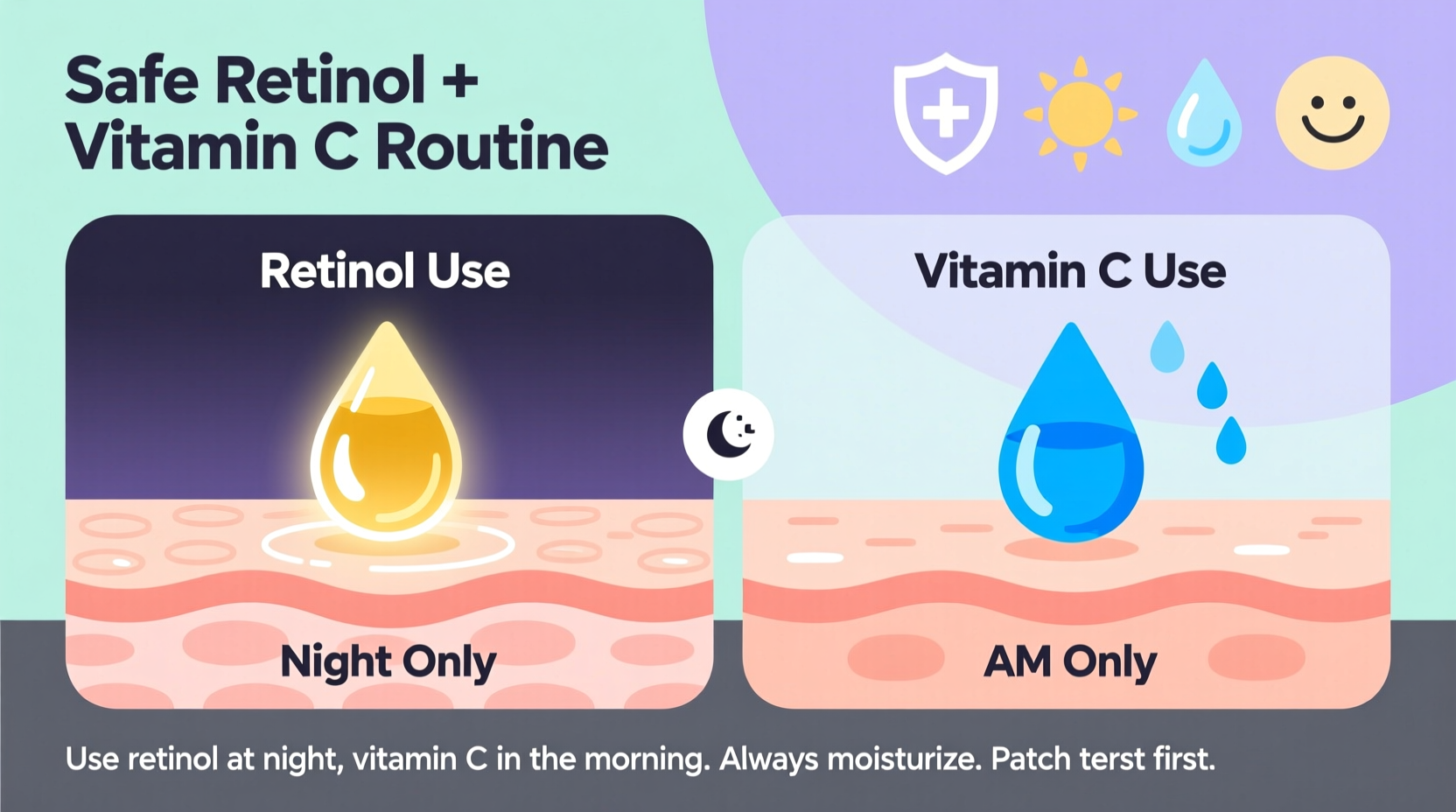
Before integrating these powerhouses into your regimen, it’s essential to understand their mechanisms and why timing matters. Retinol functions by binding to receptors in the skin that regulate cellular renewal. Over time, this process smooths fine lines, clears clogged pores, and improves firmness. However, it also thins the outermost layer of the skin temporarily, increasing photosensitivity and vulnerability to irritation.
Vitamin C (typically as L-ascorbic acid) neutralizes free radicals caused by UV exposure and pollution. It also inhibits melanin production, helping fade dark spots. But because it works best at a low pH (around 3.0–3.5), it can be acidic and slightly irritating—especially when paired with other actives.
The misconception that retinol and vitamin C “cancel each other out” stems from early concerns about pH incompatibility. While vitamin C prefers an acidic environment and retinol is more stable at a neutral pH, modern formulations have evolved. Encapsulated retinoids and buffered vitamin C derivatives allow both ingredients to coexist in well-designed products. Still, applying them simultaneously, especially in high concentrations, increases the risk of barrier disruption.
“Combining retinol and vitamin C isn’t inherently dangerous, but doing so without regard for concentration, formulation, or skin tolerance is asking for trouble.” — Dr. Lena Torres, Board-Certified Dermatologist
Step-by-Step Guide: Safely Layering Retinol and Vitamin C
Using both ingredients doesn’t require eliminating one from your routine. With strategic scheduling and mindful application, you can harness their benefits while minimizing discomfort. Follow this timeline to integrate them effectively:
- Start with One Active at a Time: If you're new to either ingredient, introduce them separately. Begin with vitamin C in the morning for two weeks, then add retinol at night. This allows your skin to acclimate and helps identify any adverse reactions.
- Use Vitamin C in the Morning: Apply your vitamin C serum after cleansing and before moisturizing and sunscreen. Its antioxidant properties provide daytime protection, making it ideal for AM use.
- Reserve Retinol for Nighttime: Use retinol only at night, starting 2–3 times per week. Apply it after moisturizer if you have sensitive skin (the \"buffer method\") to reduce potency.
- Avoid Simultaneous Application Initially: Do not layer retinol and vitamin C in the same routine until your skin shows no signs of irritation for at least four weeks.
- Gradually Test Compatibility: After building tolerance, try using them on alternate days. For example, vitamin C every morning, retinol Monday-Wednesday-Friday. Monitor for tightness, stinging, or flaking.
- Consider Spacing Within the Same Routine (Advanced): Once your skin is resilient, you may apply vitamin C in the morning and retinol at night on the same day. Wait at least 20–30 minutes between applying multiple actives, and always follow with a soothing moisturizer.
Choosing the Right Formulations to Prevent Irritation
Not all retinols and vitamin C serums are created equal. The formulation plays a crucial role in determining how gentle or aggressive the product will be on your skin.
| Ingredient | Gentle Options | Stronger (Higher Irritation Risk) |
|---|---|---|
| Retinol | Encapsulated retinol, retinaldehyde, bakuchiol (plant-based alternative) | Pure retinol (0.5%+), tretinoin (prescription) |
| Vitamin C | Magnesium ascorbyl phosphate, sodium ascorbyl phosphate, ascorbyl glucoside | L-ascorbic acid (15–20%), especially in low-pH formulas |
| Best for Sensitive Skin | Bakuchiol + vitamin C derivative combo products | Avoid high-strength pairings initially |
Look for supporting ingredients like hyaluronic acid, ceramides, niacinamide, and squalane, which help reinforce the moisture barrier and reduce reactivity. Avoid combining either active with physical scrubs, alcohol-based toners, or additional exfoliants like AHAs/BHAs unless your skin is fully conditioned.
Real Example: Sarah’s Journey to Balanced Brightness
Sarah, a 34-year-old marketing executive, wanted to address post-acne marks and early fine lines. She began using a 15% L-ascorbic acid serum every morning and a 0.3% retinol cream every night—within a week, her skin was flaky, red, and sensitive to touch.
After consulting a dermatology nurse, she adjusted her routine: she continued vitamin C in the AM but reduced retinol to twice weekly, applying it over her moisturizer. She switched to a gentler vitamin C formula containing magnesium ascorbyl phosphate on nights she used retinol. Within three weeks, irritation subsided. By week six, her skin appeared brighter and smoother, with no compromise in results.
Her takeaway? Patience and precision matter more than potency.
Checklist: Safe Integration of Retinol and Vitamin C
- ✅ Patch test new products behind the ear or on the jawline for 48 hours
- ✅ Introduce one active at a time, waiting 2–4 weeks before adding the next
- ✅ Use vitamin C in the morning; retinol at night
- ✅ Start retinol 2–3 nights per week, gradually increasing frequency
- ✅ Moisturize before or after retinol to buffer potential irritation
- ✅ Always wear broad-spectrum SPF 30+ daily (non-negotiable with either ingredient)
- ✅ Avoid mixing with other exfoliants until your skin is fully adapted
- ✅ Listen to your skin—if it stings or peels, scale back immediately
Frequently Asked Questions
Can I use vitamin C and retinol on the same day?
Yes, but not at the same time. Use vitamin C in the morning and retinol at night. This approach maximizes benefits while minimizing irritation. Ensure your skin tolerates each ingredient individually before combining them on the same calendar day.
What should I do if my skin becomes irritated?
Stop using both actives for 3–5 days. Focus on barrier repair with a minimalist routine: gentle cleanser, hydrating toner, ceramide-rich moisturizer, and sunscreen. Reintroduce one ingredient at a time at lower frequency. Consider switching to a milder form of retinol or vitamin C.
Is it safe to use retinol and vitamin C during summer?
Yes, but sun protection becomes even more critical. Both ingredients increase photosensitivity. Apply a broad-spectrum SPF 30 or higher every morning, reapply if outdoors, and consider wearing a wide-brimmed hat. Avoid peak sun hours when possible.
Expert Insight: Why Timing Trumps Potency
“The strongest product isn’t the best if it compromises your skin barrier. I tell patients: consistency with mild actives beats short-term results from aggressive ones.” — Dr. Arjun Patel, Clinical Skincare Researcher
Dermatologists increasingly emphasize sustainability over speed. A routine that causes chronic micro-inflammation may accelerate aging over time, counteracting the very benefits you’re seeking. The goal is progressive improvement without distress signals from your skin.
Final Tips for Long-Term Success
Even experienced users can experience setbacks when traveling, undergoing hormonal changes, or facing increased stress. Seasonal shifts—like winter dryness or summer humidity—also affect how your skin responds to actives.
- Winter: Reduce retinol frequency and boost hydration. Consider layering a facial oil over your moisturizer.
- Summer: Stick to nightly retinol but opt for antioxidant-rich, lighter vitamin C serums. Never skip sunscreen.
- Travel: Pause actives for a few days if crossing time zones or flying frequently, as cabin air severely dehydrates skin.
Remember: glowing, healthy skin isn’t built overnight. It’s the result of informed choices, consistent habits, and respect for your skin’s limits.
Conclusion
Retinol and vitamin C are powerhouse ingredients that, when used wisely, can transform your complexion. The secret lies not in choosing one over the other, but in understanding how to sequence, dose, and support their use. By introducing them gradually, selecting skin-friendly formulations, and prioritizing barrier health, you can enjoy brighter, firmer, and clearer skin—without the burn.




 浙公网安备
33010002000092号
浙公网安备
33010002000092号 浙B2-20120091-4
Comments
No comments yet. Why don't you start the discussion?