
Heirloom ornaments are more than decorations—they’re family legacies. Passed down through generations, these fragile treasures often carry emotional weight as much as historical value. Whether it’s a hand-blown glass bauble from the 1920s, a porcelain angel with chipped paint, or a vintage tinsel star with frayed edges, one misstep during storage can mean irreversible damage. The key to preserving these keepsakes lies not just in where you store them, but how you wrap them. With the right materials, technique, and attention to detail, you can protect even the most vulnerable pieces from cracks, scratches, and breakage.
Why Proper Wrapping Matters for Heirloom Ornaments
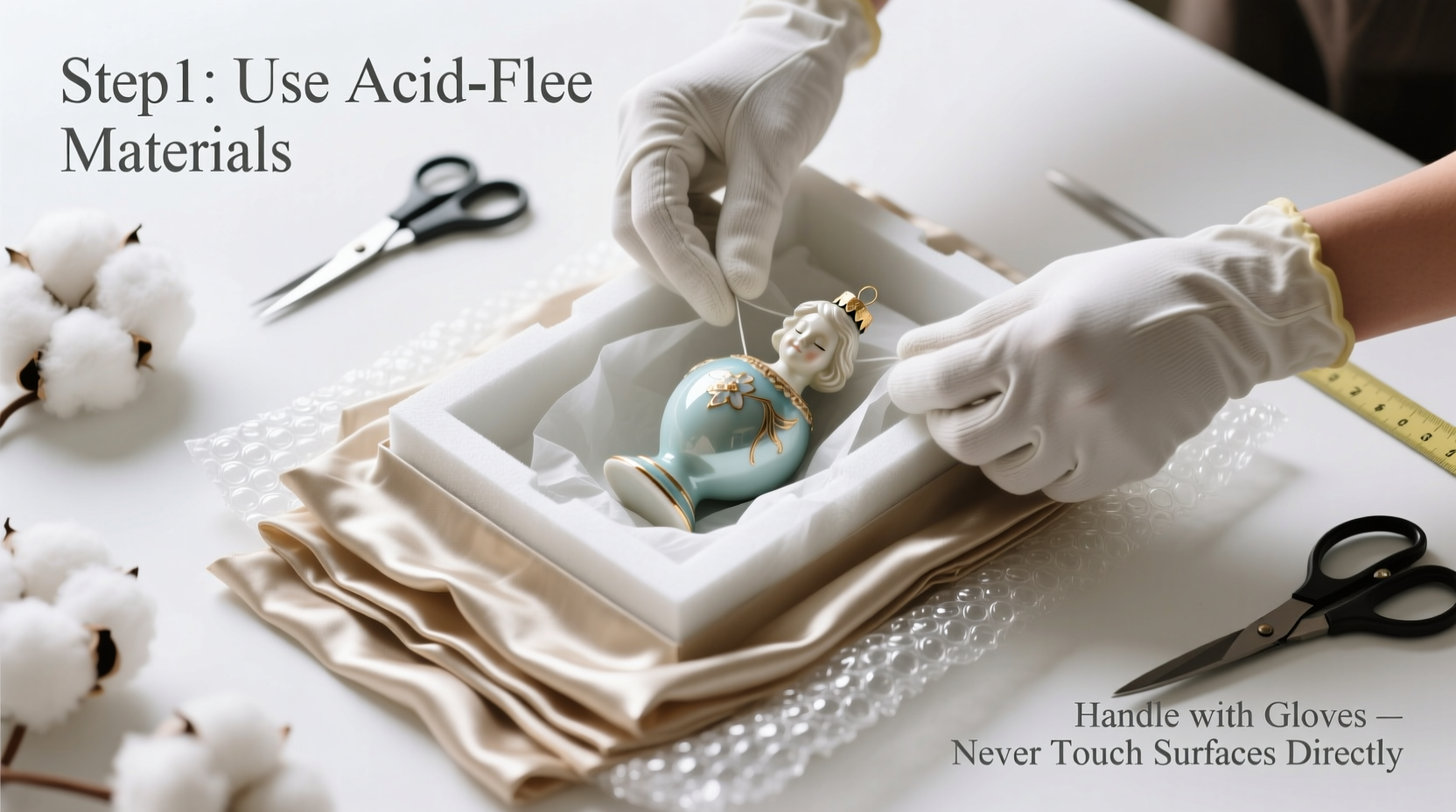
Many people assume that tossing ornaments into a box with some tissue paper is sufficient. But delicate items—especially those made of glass, porcelain, or lacquered metal—are highly susceptible to micro-movements, temperature shifts, and physical contact. Over time, even slight friction between two wrapped pieces can wear down surfaces or create hairline fractures. Humidity trapped in non-breathable wraps can degrade adhesives or promote mold on organic materials like wood or fabric.
The goal isn’t just to cushion—it’s to immobilize, isolate, and stabilize. A properly wrapped ornament should be free from pressure points, protected from abrasion, and stored in conditions that prevent environmental stress. This level of care ensures that future generations can enjoy the same holiday traditions with the same treasured pieces.
Choosing the Right Materials for Safe Wrapping
Not all wrapping materials are created equal. Some common household supplies may seem protective but actually pose risks to fragile ornaments. Selecting the correct materials is the first step toward long-term preservation.
Tissue Paper: Acid-free, unbuffered tissue paper is ideal. Regular tissue may contain acids that yellow or weaken paper-based elements on older ornaments. Wrap gently in multiple layers, avoiding tight folds that could press into protruding details.
Bubble Wrap: Use small-bubble (¼-inch) varieties only. Large bubbles create uneven pressure points that can crack thin glass. Avoid letting bubble wrap directly touch painted or metallic finishes—use tissue as a barrier first.
Muslin or Cotton Fabric: Soft, breathable fabrics offer excellent protection for irregularly shaped items. They also allow airflow, reducing moisture buildup. Pre-wash fabric to remove sizing chemicals before use.
Microfiber Cloths: These are lint-free and gentle, making them suitable for wiping dust before wrapping—but not recommended as primary wrapping due to static, which can attract debris.
Avoid: Plastic bags, cling film, rubber bands, tape, and Styrofoam peanuts. These trap moisture, generate static, or leave residues that degrade surfaces.
“Improper wrapping is the leading cause of avoidable damage to vintage ornaments. The safest method combines isolation, cushioning, and breathability.” — Dr. Lillian Park, Conservator at the National Holiday Heritage Archive
Step-by-Step Guide to Wrapping Fragile Ornaments
Follow this detailed process to ensure every heirloom is secured properly before storage.
- Inspect Each Ornament
Hold each piece under soft light and examine for existing cracks, loose parts, or flaking paint. Note any vulnerabilities so you can adjust your wrapping approach accordingly. - Clean Gently (If Needed)
Use a soft makeup brush or compressed air to remove dust. For glass, lightly dampen a cotton swab with distilled water—never spray directly. Allow to dry completely before wrapping. - Wrap in Acid-Free Tissue
Lay the ornament on a sheet of acid-free tissue. Fold the paper loosely around it, creating a soft cocoon. Do not crumple or press tightly. Secure with a tiny fold or tuck—never tape. - Add a Protective Layer (Optional)
For extra fragile pieces, add a second layer using muslin or unbleached cotton fabric. This provides additional shock absorption and prevents direct contact with outer packaging. - Use Bubble Wrap Sparingly
If needed, wrap once in small-bubble wrap, ensuring bubbles face outward. Again, do not compress. Seal seams with paper tape or fold edges closed—never use plastic tape. - Label Before Storing
Attach a paper tag with the year, origin, and special notes (e.g., “Grandmother’s 1957 Dresden star”). This avoids repeated handling later. - Place in Individual Compartment
Store each wrapped ornament in its own section of a divided storage box. If compartments aren’t available, create separators using cardboard dividers lined with felt.
Do’s and Don’ts of Heirloom Ornament Storage
| Do | Don’t |
|---|---|
| Use acid-free tissue paper | Use regular tissue or newspaper |
| Store in a cool, dry, dark place | Keep in attics or basements with humidity swings |
| Handle with clean, dry hands | Touch surfaces with lotioned or greasy hands |
| Use rigid, compartmentalized boxes | Pack loosely in shoeboxes or open containers |
| Check annually for damage or pests | Forget about them for decades |
Real Example: Preserving a 1930s Blown-Glass Figural
Sarah Thompson inherited a set of five figural glass ornaments from her great-aunt, including a rare Santa holding a lantern. One had a nearly invisible hairline crack near the base. After researching proper techniques, she decided to rewrap the entire collection before the next season.
She began by laying out acid-free tissue on a clean table. Each ornament was lightly brushed with a sable-hair artist’s brush. The cracked Santa received an extra inner layer of cotton batting secured within muslin before being wrapped in tissue. She used a custom divider box with foam-lined compartments, placing the most fragile piece in the center, least likely to experience impact.
Five years later, after annual inspections and careful handling, all ornaments remain intact. The cracked Santa shows no signs of further deterioration. Sarah credits the success to consistent, informed wrapping practices—and now teaches a local workshop on holiday heritage preservation.
Essential Checklist for Wrapping Heirloom Ornaments
- ☐ Gather supplies: acid-free tissue, small-bubble wrap, muslin, paper tape, labeled storage box
- ☐ Inspect each ornament for damage or weakness
- ☐ Clean gently with appropriate tools (brush, swab, air)
- ☐ Wrap in acid-free tissue using a loose, enveloping fold
- ☐ Add secondary fabric layer if needed for extra protection
- ☐ Apply bubble wrap only if necessary, with bubbles facing out
- ☐ Label each piece with identifying information
- ☐ Place in individual compartment; avoid stacking or crowding
- ☐ Store in climate-stable location away from sunlight and moisture
- ☐ Schedule annual check-up to monitor condition
Frequently Asked Questions
Can I use ziplock bags to store wrapped ornaments?
No. While convenient, plastic ziplock bags trap moisture and encourage condensation, especially in areas with temperature fluctuations. Over time, this can lead to clouding on glass, rust on metal components, or mold on organic materials. Always opt for breathable, rigid containers instead.
What should I do if an ornament has loose pieces or is already cracked?
For ornaments with minor cracks or detachable parts, wrap the main body separately and place loose fragments in a small labeled envelope taped to the outside of the wrap. Consult a professional conservator before attempting repairs—many adhesives can cause long-term discoloration or structural issues.
Is it safe to wrap ornaments with glitter or foil details?
Yes, but with caution. Glitter and foil are prone to flaking. Wrap these ornaments in a double layer of acid-free tissue, avoiding any rubbing motion. Do not use plastic wrap or anything that generates static electricity, as it will pull off delicate surface materials.
Conclusion: Preserve the Past, One Ornament at a Time
Wrapping a delicate heirloom ornament is not merely a seasonal chore—it’s an act of stewardship. Every fold of tissue, every careful placement in a storage box, contributes to the longevity of a story passed down through family Christmases. These ornaments connect us to ancestors we never met, to homes long sold, and to moments of joy preserved in glass and thread.
By applying thoughtful techniques and using the right materials, you ensure that these treasures survive not just another winter, but generations to come. Start this year with intention. Re-wrap each piece with care, document its history, and store it with respect. Your grandchildren may one day hold that same ornament, feeling the warmth of tradition in their hands.




 浙公网安备
33010002000092号
浙公网安备
33010002000092号 浙B2-20120091-4
Comments
No comments yet. Why don't you start the discussion?