
Fragile glass ornaments are more than holiday decorations—they’re often heirlooms passed down through generations, carrying memories as delicate as their surfaces. A single scratch or crack can diminish both their aesthetic and sentimental value. Whether you're preparing for seasonal storage, shipping a cherished gift, or relocating your collection, the way you wrap these ornaments matters profoundly. Done incorrectly, even gentle handling can lead to irreversible damage. Done right, they can remain pristine for decades.
The challenge lies in balancing protection with practicality. Over-wrapping can create bulk and pressure points; under-wrapping leaves glass exposed to friction and impact. This guide walks through proven methods used by museum conservators, professional packers, and collectors to safeguard delicate glassware during transport and storage.
Choose the Right Materials for Maximum Protection
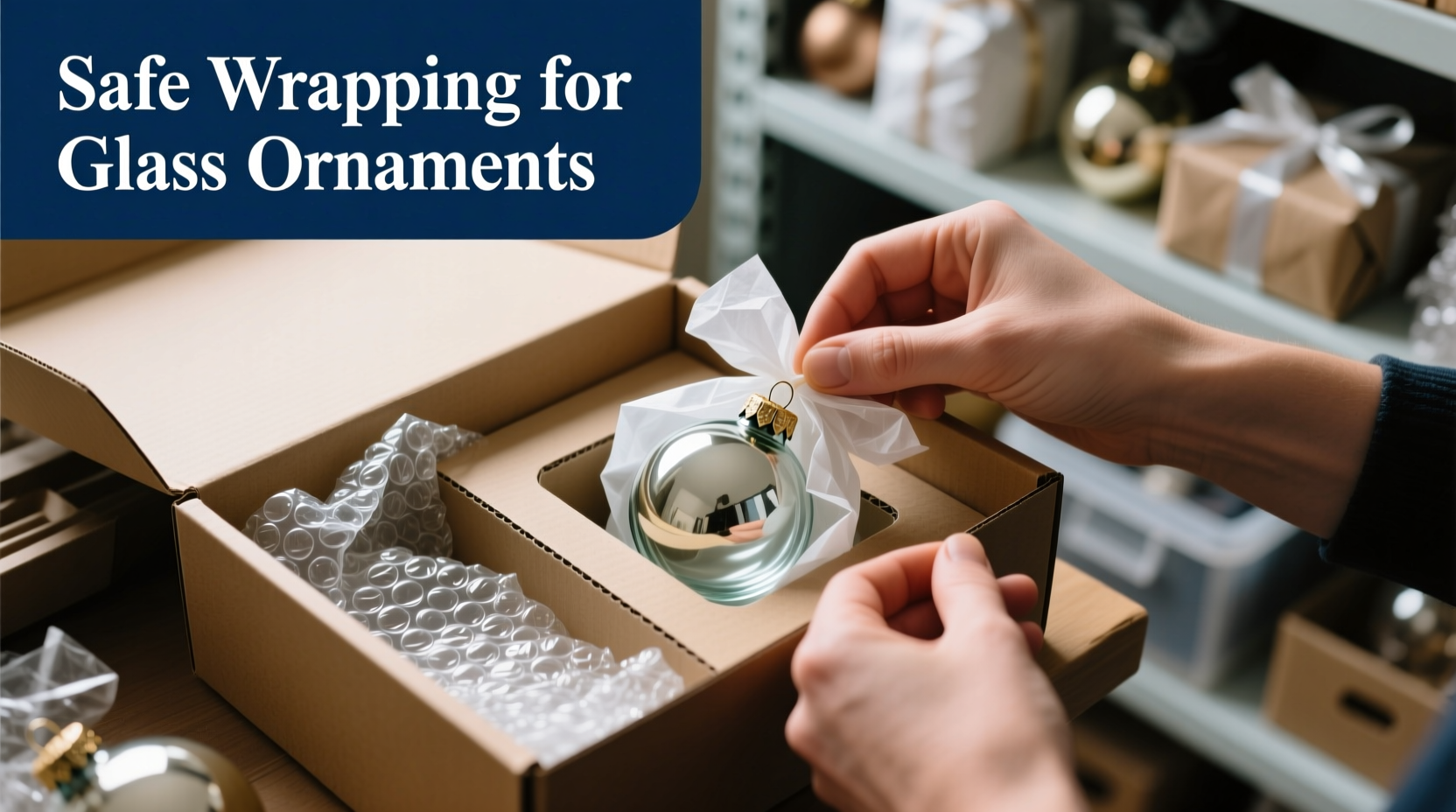
The foundation of safe wrapping is selecting appropriate materials. Not all paper or padding is suitable for glass. Some papers contain acids that degrade finishes over time, while certain foams generate static or leave residues. The goal is to use soft, non-abrasive, chemically inert materials that cushion without adhering or reacting.
Recommended supplies include:
- Tissue paper (acid-free): Ideal for the first layer, acid-free tissue prevents chemical reactions and offers gentle surface coverage.
- Unprinted newsprint or butcher paper: Acceptable if acid-free paper isn’t available, but avoid glossy or colored inks that may bleed.
- Bubble wrap (with large bubbles): Use only when necessary. Small-bubble wrap can press into curved surfaces, increasing breakage risk.
- Kraft paper: Good for outer layers or filling voids in storage boxes, but never in direct contact with glass.
- Soft cotton cloths or muslin: Excellent for extra-sensitive pieces with painted details.
Step-by-Step Guide to Wrapping a Glass Ornament
Proper technique begins long before tape is applied. Rushing through the process increases the likelihood of dropping, squeezing, or misaligning protective layers. Follow this sequence to ensure each ornament receives individualized care.
- Inspect the ornament: Hold it under good lighting to check for existing cracks, loose paint, or weak attachment points at the cap or hook. If flaws exist, consider whether repair is needed before wrapping.
- Clean gently: Use a soft microfiber cloth to remove dust. For stubborn spots, lightly dampen the cloth with distilled water—never spray directly onto the ornament.
- Wrap the body: Place the ornament diagonally on a sheet of acid-free tissue. Gently fold one corner over the bottom, then bring opposite corners together at the top, forming a loose pouch. Do not pull tight.
- Secure loosely: Twist the top gently and secure with a small piece of masking tape or a twist tie. Avoid rubber bands, which degrade and can snap.
- Add secondary cushioning: Nestle the wrapped ornament into a layer of crumpled kraft paper or place it inside a small box compartment before adding bubble wrap around the exterior—never wrap bubble side directly against glass.
- Label clearly: Mark the outside of the package “Fragile – Glass” and indicate orientation if applicable (e.g., “This Side Up”).
“Glass ornaments fail not from drops alone, but from sustained pressure and micro-abrasions during storage.” — Dr. Lena Pruitt, Museum Conservation Specialist, National Decorative Arts Institute
Do’s and Don’ts When Handling and Storing Glass Ornaments
Mistakes often occur after wrapping, during stacking or storage. Even well-wrapped items suffer damage when placed in unsuitable environments or packed too tightly. Refer to the table below for clear guidance on best practices.
| Do’s | Don’ts |
|---|---|
| Use individual compartments in storage boxes | Stack wrapped ornaments directly on top of one another |
| Store in climate-controlled areas away from humidity | Keep in attics, basements, or garages with temperature swings |
| Re-wrap ornaments every few years to replace degraded paper | Leave ornaments wrapped for decades without inspection |
| Handle by the cap or base, not the body | Touch glass surfaces with bare hands frequently |
| Use archival-quality boxes designed for ornaments | Reuse cardboard boxes not built for repeated use |
Real Example: Preserving a Heirloom Collection Through Relocation
When Sarah Mitchell moved from Chicago to Portland, she faced the daunting task of transporting her grandmother’s 1940s German glass ornament collection—37 pieces, many with hand-painted snowflakes and gold leaf accents. She initially planned to wrap them in old newspapers and pack them in a standard moving box. After consulting a local preservation group, she changed course.
Sarah purchased an archival storage box with custom dividers and began wrapping each ornament in two layers of acid-free tissue. She avoided bubble wrap entirely, opting instead for molded pulp inserts between layers. Each compartment was labeled by shape and size. During transit, the box was marked “Fragile” and kept upright in her carry-on vehicle.
Upon arrival, every ornament remained intact. One had a minor paint chip discovered during unwrapping—a flaw previously hidden. Because she inspected each piece before final packing, she was able to document it and seek restoration advice. Her attention to detail didn’t just prevent damage—it revealed hidden history.
Checklist: Safe Wrapping & Storage Protocol
Use this checklist to ensure no step is missed when preparing glass ornaments for storage or transport.
- ✅ Inspect each ornament for cracks, chips, or loose hooks
- ✅ Clean with a dry or slightly damp microfiber cloth
- ✅ Use acid-free tissue paper for the primary wrap
- ✅ Fold loosely—avoid tight compression
- ✅ Secure tops with tape or twist ties (no rubber bands)
- ✅ Place each wrapped ornament in its own compartment
- ✅ Fill empty spaces in the box with crumpled kraft paper
- ✅ Label box with “Fragile,” contents, and orientation
- ✅ Store in a cool, dry, dark place with stable temperature
- ✅ Re-inspect ornaments annually or biannually
Frequently Asked Questions
Can I use plastic bags to store glass ornaments?
No. Plastic bags trap moisture and may generate static that attracts dust. Over time, some plastics release chemicals that react with metal caps or painted surfaces. Always opt for breathable, archival-quality paper and rigid containers.
Is bubble wrap ever safe for glass ornaments?
Only when used correctly. Never press bubble wrap directly against the glass. Instead, wrap the already-tissued ornament and then place it inside a larger piece of bubble wrap, bubble-side out, so the smooth side contacts the item. Better yet, use foam sheets or molded inserts for high-value pieces.
How often should I unwrap and inspect my stored ornaments?
At least once every 12–18 months. This allows you to check for signs of moisture, insect activity, or degradation in wrapping materials. It’s also an opportunity to re-wrap with fresh paper and update labels.
Conclusion: Treat Every Ornament Like a Work of Art
Glass ornaments deserve the same level of care as any fragile artifact. Their survival depends not on luck, but on deliberate choices—what you wrap with, how you handle them, where you store them, and how often you check in. By treating each piece with respect, you preserve more than glass and paint; you protect moments of joy, tradition, and connection across time.
Start today. Pull out your ornament box, assess its current condition, and apply these methods to your most vulnerable pieces. Whether you have five ornaments or fifty, the effort compounds over the years. Future generations won’t remember the hassle—they’ll remember the beauty, perfectly preserved.




 浙公网安备
33010002000092号
浙公网安备
33010002000092号 浙B2-20120091-4
Comments
No comments yet. Why don't you start the discussion?