
Seasoning a wok is not just a kitchen ritual—it’s the foundation of successful stir-frying. A properly seasoned wok develops a natural non-stick surface, resists rust, and enhances flavor over time. While modern non-stick pans rely on chemical coatings, a carbon steel or cast iron wok builds its performance through heat, oil, and repetition. If you've just bought your first wok, skipping the seasoning process means missing out on decades of culinary potential. This guide walks you through every essential stage—from selecting the right oil to maintaining the patina—so your wok evolves into a trusted cooking companion.
Why Seasoning Matters: The Science Behind the Sheen
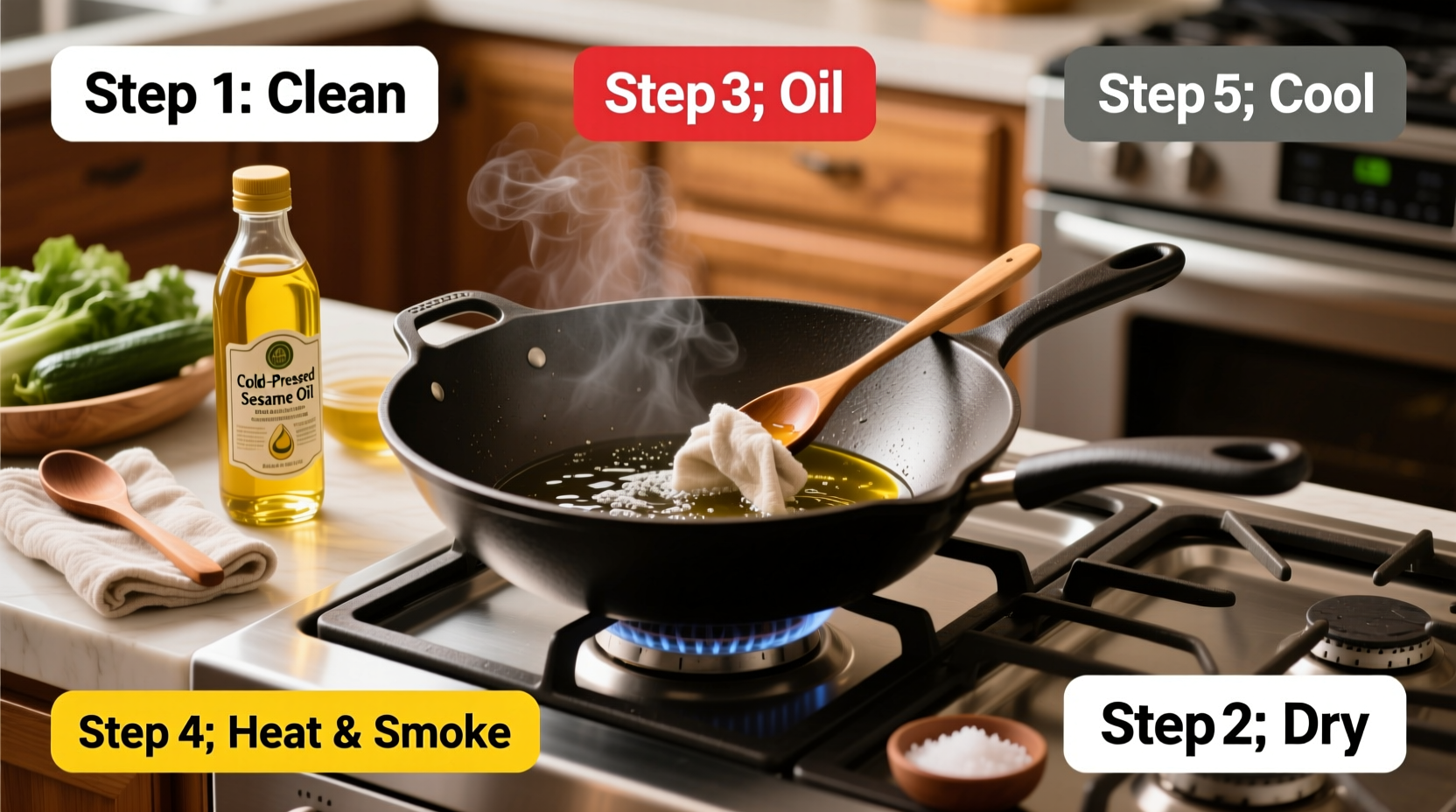
Seasoning isn’t about adding flavor; it’s about polymerization. When oil is heated beyond its smoke point, its molecules break down and rebind into a hard, smooth layer that bonds to the metal surface. This creates a protective barrier that prevents food from sticking and shields the wok from moisture and oxidation.
Unseasoned carbon steel reacts quickly with acidic ingredients and will rust if left damp. But after proper seasoning, the surface becomes inert, slick, and increasingly durable with each use. Unlike factory-seasoned pans that often use chemicals like beeswax or industrial oils, home seasoning gives you full control over the materials and results in a longer-lasting finish.
“Seasoning transforms raw metal into a living cooking surface. It’s not a one-time task—it’s the beginning of a relationship between cook and pan.” — Chef Mei Lin, James Beard Award Winner
What You’ll Need Before You Begin
Success starts with preparation. Gather these items before heating your stove:
- A carbon steel or cast iron wok – Avoid non-stick or stainless steel models; they cannot be seasoned effectively.
- Dish soap and sponge – For initial cleaning (yes, soap is okay at this stage).
- Paper towels or clean cloths – Lint-free is best.
- High-smoke-point oil – Examples: grapeseed, peanut, canola, or sunflower oil.
- Tongs or heat-resistant gloves – Woks get extremely hot.
- Stovetop burner (gas preferred) – Electric coils work, but gas provides more even heat distribution.
Step-by-Step Guide to Seasoning Your Wok
Follow this timeline-based method for optimal results. Allow 60–90 minutes total, including cooling time.
- Wash the wok with warm, soapy water. Most new woks come coated with a thin layer of machine oil for shipping protection. Scrub thoroughly with a sponge to remove all residue. Rinse well and dry immediately with a towel.
- Place the wok on high heat. Set it over a burner on medium-high. Move it around slightly to ensure even heating. Watch for color changes—gray patches turning blue or straw-colored indicate moisture is evaporating and the metal is drying completely.
- Dry until fully dehydrated. Heat for 5–7 minutes until no water spots remain. Use tongs to hold a folded paper towel and wipe the interior lightly—if it doesn’t leave any gray marks, the surface is clean and dry.
- Add oil using the “smear and swirl” technique. Reduce heat to medium. Pour 1 tablespoon of high-smoke-point oil into the bowl of the wok. Use tongs and a paper towel to spread the oil evenly across the entire interior surface—including the sloped sides. Work quickly before the oil begins to smoke.
- Heat past the smoke point. Increase heat to high. Allow the oil to heat until it begins to smoke lightly. Swirl gently to distribute the oil. Continue heating for 2–3 minutes as the oil darkens slightly and bonds to the metal.
- Cool and repeat. Turn off the heat and let the wok cool completely on the stove—do not rinse or wash. Once cooled, repeat steps 4 and 5 two more times. Each layer builds durability and depth of color.
- Final wipe and storage. After the last round, let the wok cool again. Wipe the interior with a light coat of oil using a paper towel. Store in a dry place, preferably upside down to allow airflow.
This initial seasoning creates the base layer. With regular use, especially when cooking fatty foods like meats or stir-fries, the patina will deepen naturally.
Do’s and Don’ts During and After Seasoning
| Do’s | Don’ts |
|---|---|
| Use high-smoke-point oils like grapeseed or peanut oil. | Use butter, extra virgin olive oil, or flaxseed oil (they degrade too quickly). |
| Allow the wok to cool naturally after heating. | Quench a hot wok with cold water—it can warp the metal. |
| Wipe with a thin film of oil after each use. | Store while damp or leave soaking in the sink. |
| Cook acidic foods sparingly until the seasoning is well-established. | Scrub aggressively with steel wool or harsh detergents after seasoning. |
| Re-season occasionally if food starts sticking or rust appears. | Assume one seasoning session is enough forever—maintenance matters. |
Maintaining Your Wok: Daily Care That Builds Longevity
Your wok improves with age—but only if cared for correctly. After each use, follow this maintenance checklist:
Post-Cooking Cleaning Routine
- Let the wok cool slightly after cooking (but don’t let food residue harden).
- Rinse under hot water and scrub gently with a soft sponge or bamboo brush. For stuck-on bits, add a pinch of coarse salt as an abrasive.
- If necessary, use a small amount of mild dish soap—modern research shows occasional soap won’t destroy a mature seasoning layer.
- Dry thoroughly over low heat on the stove for 3–5 minutes. Shake the wok gently to ensure no droplets remain.
- Apply a very thin coat of oil with a paper towel while still warm. This prevents oxidation.
- Store uncovered in a dry cabinet.
Over time, avoid deep-cleaning unless absolutely necessary. A well-used wok should darken from gray to deep brown or black—a sign of a healthy patina.
Real Example: From Rusty to Reliable in One Weekend
Sarah, a home cook in Portland, inherited her grandmother’s old carbon steel wok. It was heavily rusted, with flaking patches and a rough texture. Many would have discarded it, but she decided to restore it.
She began by scrubbing the rust with steel wool and vinegar, rinsing thoroughly, then drying completely. After three rounds of seasoning using peanut oil, the surface transformed. Within two weeks of regular stir-frying tofu and vegetables, the wok developed a smooth, glossy finish. Now, it’s her go-to pan—even scrambled eggs release cleanly without added fat.
Her experience proves that even neglected woks can be revived. The key? Consistent heat, patience, and understanding that seasoning is cumulative.
Frequently Asked Questions
Can I season a stainless steel wok?
No. Stainless steel does not absorb oil or form a polymerized layer like carbon steel or cast iron. While you can heat-oil it temporarily, it won’t develop a lasting non-stick surface. Stick to carbon steel for true seasoning.
My wok smells smoky after seasoning—is that normal?
Yes. A slight smoky odor during and after the first few uses is expected. Ventilate your kitchen well during seasoning. The smell diminishes over time as the layers stabilize.
How do I know if my seasoning failed?
Signs include patchy appearance, food sticking immediately, or visible rust after washing. If this happens, strip the wok with vinegar or baking soda paste, dry completely, and re-season from scratch.
Expert Tips for Faster Patina Development
Building a strong seasoning layer doesn’t require perfection—just consistency. Here are advanced techniques used by professional wok chefs:
- Cook fatty ingredients early. Dishes like fried rice, seared meats, or scallion pancakes help deposit oil into the metal.
- Avoid long simmers initially. Soups or braises introduce too much moisture before the base layer is stable.
- Use high heat regularly. Stir-frying at high temperatures strengthens the polymerized coating.
- Touch up monthly. Even seasoned woks benefit from a quick re-seasoning every 4–6 weeks, especially if washed frequently.
“The best wok is one that’s been used daily for years. Each meal adds a whisper of flavor and another layer of protection.” — Ken Hom, BBC Cooking Presenter and Wok Expert
Conclusion: Start Cooking, Keep Seasoning
Seasoning a wok for the first time isn’t complicated, but it demands attention and respect for the process. By following these steps, you’re not just preparing a pan—you’re launching a tradition. Every stir-fry, every sear, every wiped-down evening contributes to a surface that becomes uniquely yours.
Don’t wait for a special occasion to use your wok. Cook tonight. Let it sizzle. Treat it kindly. In return, it will serve you reliably for decades, improving with every meal.




 浙公网安备
33010002000092号
浙公网安备
33010002000092号 浙B2-20120091-4
Comments
No comments yet. Why don't you start the discussion?