
Natural disasters, power outages, or sudden evacuations can happen at any time. Being prepared isn’t just about peace of mind—it can be the difference between safety and danger. While many assume emergency kits are expensive, it’s entirely possible to assemble one for free using community resources, government programs, and strategic planning. This guide outlines actionable steps to obtain a free emergency kit, highlights reliable sources, and provides real-world strategies to ensure you’re ready when disaster strikes.
Why Free Emergency Kits Matter
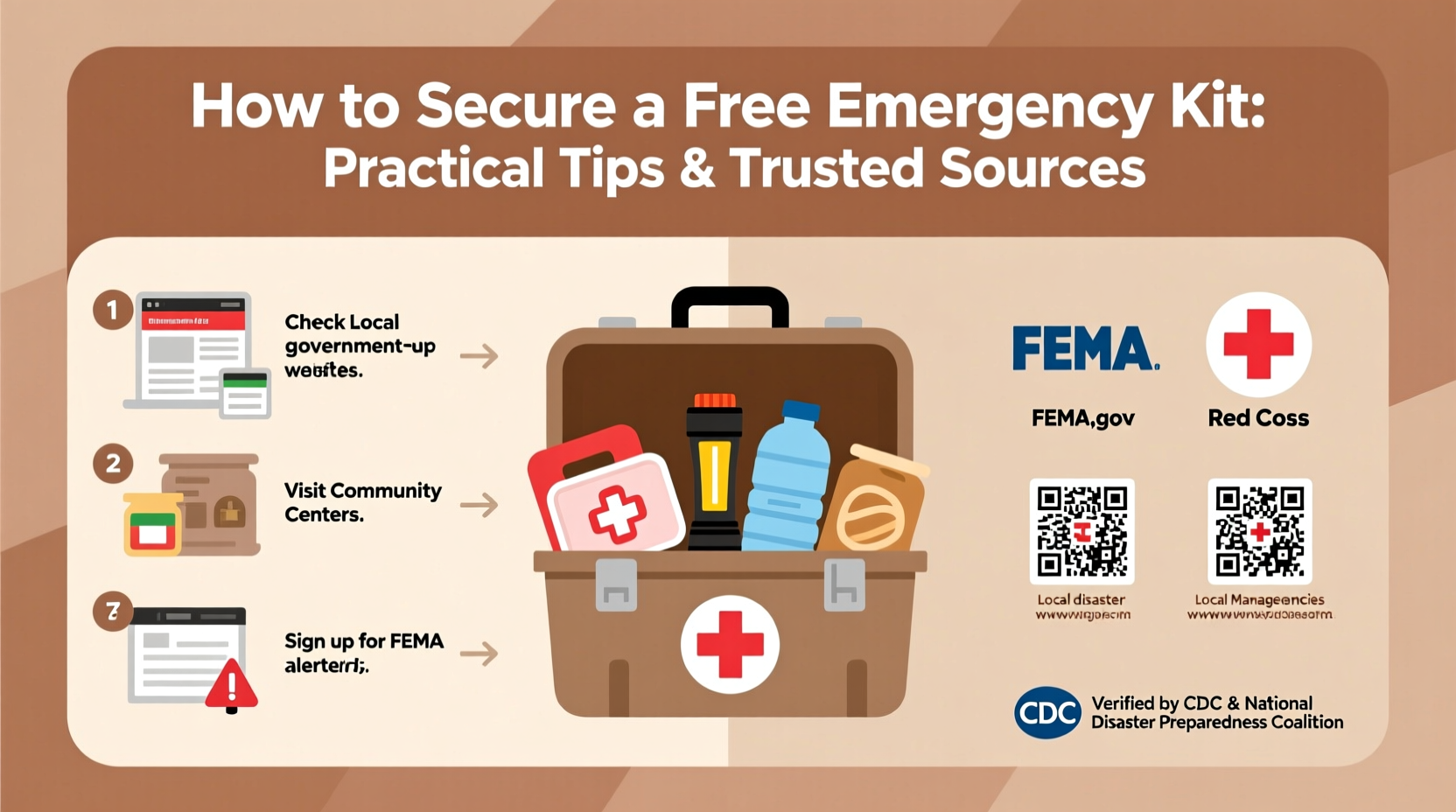
Not everyone can afford to buy a pre-packaged emergency kit, which often costs $50 to $150. For low-income families, seniors on fixed incomes, or individuals in transitional housing, that expense may be prohibitive. Yet, emergency preparedness is a universal need. According to FEMA, only about 20% of Americans have a complete emergency kit. Bridging this gap requires accessible solutions—especially free ones.
Free emergency kits help close the preparedness gap by ensuring vulnerable populations aren’t left behind during crises. They also encourage broader community resilience. When more people are equipped with essentials like water, food, flashlights, and first aid supplies, entire neighborhoods become safer and more self-reliant.
Trusted Sources Offering Free Emergency Kits
Several reputable organizations distribute free emergency kits or components. These are typically funded by government grants, nonprofits, or corporate sponsorships. Knowing where to look can make all the difference.
- FEMA Community Preparedness Programs: FEMA occasionally partners with local governments to distribute free emergency supplies after major disasters or during preparedness campaigns like National Preparedness Month (September).
- The American Red Cross: Offers free emergency preparedness guides and sometimes distributes mini-kits during outreach events, shelters, or health fairs.
- Local Fire Departments and Emergency Management Agencies: Many city fire stations offer free smoke detectors, fire extinguishers, or small emergency packs upon request.
- Nonprofits like Team Rubicon and All Hands Volunteers: These disaster response groups often hand out supply kits during recovery operations or community workshops.
- Libraries and Community Centers: Increasingly serve as distribution hubs for emergency materials, including hygiene kits and weather radios.
“Equitable access to emergency supplies isn’t optional—it’s a public safety imperative.” — Dr. Lena Torres, Disaster Response Coordinator, National Urban Resilience Initiative
Step-by-Step Guide to Securing a Free Kit
Obtaining a free emergency kit doesn’t have to be complicated. Follow this timeline-based approach to maximize your chances:
- Month 1: Assess Your Needs
Determine how many people the kit must support and whether special considerations exist (e.g., infants, pets, medical conditions). - Month 2: Research Local Resources
Visit your city’s emergency management website. Call your local fire department or public health office to ask about free preparedness programs. - Month 3: Attend Community Events
Sign up for alerts from the Red Cross or community centers. Attend preparedness fairs where free items are often handed out. - Month 4: Apply for Assistance Programs
Check eligibility for programs like SNAP, LIHEAP, or FEMA’s Individual Assistance (if post-disaster). Some include emergency supply vouchers. - Ongoing: Build Gradually
Even if you don’t receive a full kit, collect one item per month using donations, giveaways, or discount apps.
DIY Alternatives: Building a Free Kit from Scratch
If a pre-assembled kit isn’t available, you can build your own using no-cost or donated items. Focus on the core components recommended by Ready.gov:
| Essential Item | How to Get It Free | Avoid |
|---|---|---|
| Water (1 gallon per person/day) | Collect rainwater (filtered), use public filling stations, or get bottled water from food banks | Storing in unsanitary containers |
| Non-perishable food | Food pantries, church drives, school meal programs (for kids) | Items requiring refrigeration or cooking without fuel |
| First aid supplies | Pharmacies sometimes give expired-soon samples; check with clinics | Using outdated medications |
| Flashlight & batteries | Request through utility companies (some offer free during outages) | Cheap models that break easily |
| Whistle, dust mask, sanitation items | Community hygiene drives, homeless shelters, or disaster prep workshops | Single-use plastics without replacements |
Real Example: Maria’s Experience After a Winter Storm
Maria, a single mother in Ohio, lost power for five days during a severe ice storm. She hadn’t purchased an emergency kit due to budget constraints. However, she had attended a Red Cross event months earlier and received a small preparedness bag containing a thermal blanket, flashlight, and energy bars. That kit kept her and her two children warm and fed until utilities were restored.
“I didn’t think that little bag would matter,” she said. “But when the lights went out and the roads were blocked, those few items gave us hope. Now I tell everyone: even a basic free kit is better than nothing.”
Common Mistakes to Avoid
While securing a free emergency kit is achievable, certain pitfalls can undermine your efforts:
- Waiting until a storm is forecast: Supplies run out fast. Preparation should happen in calm periods.
- Ignoring expiration dates: Rotate food, water, and medication every six months.
- Overlooking communication tools: Include a battery-powered radio or list of emergency contacts.
- Assuming one size fits all: Customize kits for allergies, disabilities, or pet needs.
Checklist: How to Secure a Free Emergency Kit
- ✅ Identify local emergency management agencies and visit their websites
- ✅ Sign up for community alert systems and newsletters
- ✅ Attend at least one preparedness event this year
- ✅ Request information about free kits from your fire station or library
- ✅ Join a neighborhood group focused on disaster readiness
- ✅ Start a \"free prep jar\" – add one useful item monthly (spare batteries, bandages, etc.)
- ✅ Share resources with neighbors to multiply access
Frequently Asked Questions
Are free emergency kits reliable?
Yes, when sourced from official organizations like FEMA, the Red Cross, or municipal agencies. These kits meet federal guidelines for basic survival needs. Always inspect contents and replace expired items.
Can I get a free kit if I rent or live in an apartment?
Absolutely. Preparedness is not tied to homeownership. Many free kits are distributed based on residency, not property status. Contact your building manager or tenant association—they may have bulk supplies.
What if I have pets? Are there free pet emergency kits?
Some animal shelters and humane societies offer free pet preparedness bags during adoption events or outreach programs. You can also request pet food samples from vet clinics and store them in your kit.
Final Thoughts: Be Ready Without Spending a Dime
Emergency preparedness shouldn’t be a luxury reserved for those who can afford it. With proactive research, community engagement, and smart resourcefulness, anyone can assemble a functional emergency kit at no cost. The key is to start now—not when sirens sound or the power fails.
Take action today: call your local emergency office, attend a preparedness workshop, or organize a kit swap with neighbors. Small steps lead to lasting security. Your future self will thank you when the unexpected happens—and you’re ready.




 浙公网安备
33010002000092号
浙公网安备
33010002000092号 浙B2-20120091-4
Comments
No comments yet. Why don't you start the discussion?