
As the holiday season approaches, many homeowners take pride in decorating their homes with dazzling outdoor Christmas lights. But when winter storms roll in, those festive displays can quickly become hazards—tangled, torn down, or even causing electrical risks. High winds, heavy rain, and snow accumulation don’t just threaten your decorations; they can damage gutters, siding, and create tripping hazards from fallen wires. The good news is that with proper planning and the right techniques, you can keep your lights securely in place no matter what the weather brings.
Securing outdoor Christmas lights isn’t just about aesthetics—it’s about safety, longevity, and peace of mind. Whether you live in a coastal area prone to gusty conditions or a region that sees sudden winter squalls, this guide offers practical, tested strategies to protect your holiday lighting setup through the entire season.
Choose the Right Type of Lights and Cords
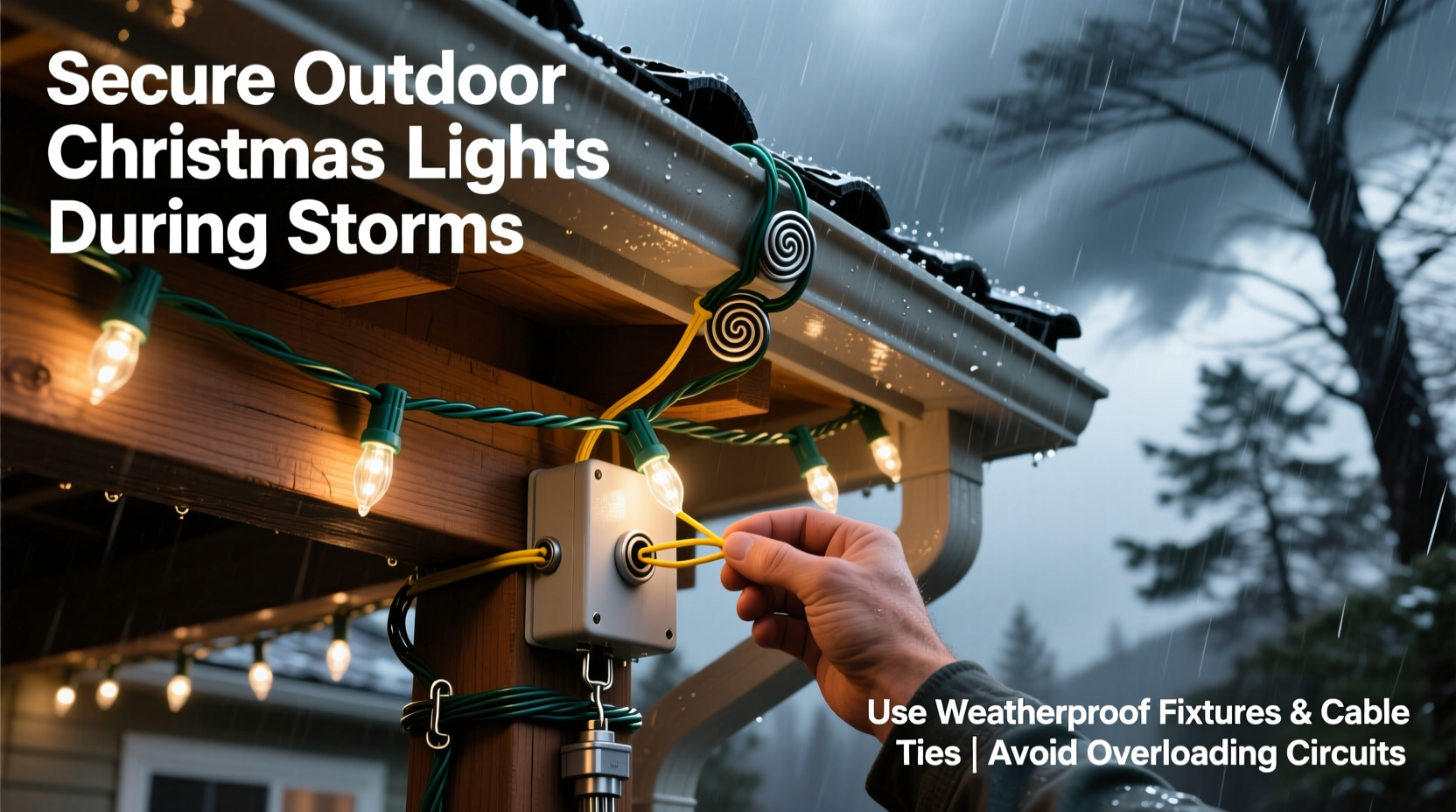
The foundation of a storm-resistant display starts with selecting durable materials. Not all Christmas lights are built to withstand harsh weather. Look for lights specifically labeled as “outdoor-rated” and check for certifications such as UL (Underwriters Laboratories) listing, which ensures they’ve been tested for safety under extreme conditions.
- LED vs. Incandescent: LED lights are not only more energy-efficient but also more durable. They generate less heat, reducing fire risk, and are less likely to shatter in cold temperatures.
- Cord thickness: Thicker-gauge cords (lower gauge number) are sturdier and better at resisting wear from wind friction and temperature swings.
- Weatherproof connectors: Ensure plugs and connectors have rubber seals or covers to prevent moisture ingress, which can lead to short circuits.
Use Proper Installation Techniques
Even the best lights will fail if installed incorrectly. The method you use to hang lights plays a major role in how well they survive strong winds. Traditional nails and staples may seem convenient, but they can loosen over time and damage both the cord and your home’s exterior.
Best Hanging Methods for Wind Resistance
- Plastic Clips: Use insulated, UV-resistant plastic clips designed for Christmas lights. These grip the cord without pinching it and allow for slight movement in the wind, reducing stress on connections.
- Gutter Hooks: For eaves and gutters, choose adjustable hooks that sit snugly without requiring nails. Look for models with wide bases that resist pulling out in high winds.
- Hook-and-Loop Straps (e.g., Velcro): Ideal for railings and posts, these straps distribute pressure evenly and can be removed easily after the season.
- Silicone Adhesive Mounts: For flat surfaces like walls or soffits, use mounts with industrial-grade adhesive that bonds securely without drilling.
Spacing matters too. Install clips every 6–12 inches along straight runs, and more frequently around corners where tension builds. This prevents flapping and reduces the chance of wires being ripped loose by gusts.
| Hanging Method | Wind Resistance | Surface Compatibility | Installation Time |
|---|---|---|---|
| Nails/Staples | Poor | Wood, Siding | Fast |
| Plastic Clips | Excellent | Gutters, Eaves | Moderate |
| Velcro Straps | Good | Railings, Posts | Fast |
| Adhesive Mounts | Very Good | Smooth Walls, Soffits | Slow (curing time) |
Secure Wiring and Prevent Snagging
Loose wiring is one of the most common causes of light failures during storms. When wires dangle or cross walkways, they’re vulnerable to being pulled, stepped on, or caught in wind vortices that amplify movement.
Route cords carefully along protected paths—downspouts, behind shrubs, or along building contours—to minimize exposure. Never run cords across driveways or sidewalks unless protected by a rubber cord cover. Use cable ties or wire looms to bundle multiple strands together, reducing flutter and tangling.
Ground-level connections should be elevated off the ground using bricks or plastic risers to prevent water pooling. If possible, plug lights into a covered outdoor outlet or use a waterproof extension cord with a built-in GFCI (Ground Fault Circuit Interrupter) to shut off power instantly if moisture is detected.
“Improperly secured wiring is the leading cause of outdoor light failures during winter storms. A few minutes spent organizing cords can save hours of repair later.” — Daniel Reeves, Electrical Safety Inspector, National Fire Protection Association
Step-by-Step Guide: Securing Lights Before a Storm
If a storm is forecasted and your lights are already up, follow this emergency reinforcement plan to reduce damage risk:
- Inspect the Entire Display: Walk the perimeter and look for loose clips, frayed wires, or sections that flap in the wind.
- Tighten All Fasteners: Re-seat gutter hooks, replace missing clips, and ensure adhesive mounts haven’t lifted.
- Shorten Exposed Runs: If wires span large open areas, add temporary support points using tie-down straps anchored to stable structures.
- Elevate Ground Connections: Place outlets and junction boxes on raised platforms or inside sealed enclosures above puddle level.
- Unplug During Extreme Conditions: If winds exceed 40 mph or heavy ice is expected, unplug the system entirely. Electronics can survive wind—but not water intrusion.
- Monitor After the Storm: Once conditions improve, inspect again for hidden damage before reconnecting.
Real-World Example: Surviving a Coastal Nor'easter
In December 2022, homeowner Linda Torres in Cape May, New Jersey, faced a powerful nor’easter with sustained winds of 50 mph and driving rain. Her home, located just two blocks from the ocean, had an extensive light display wrapping the roofline, porch, and trees.
Unlike her neighbors—whose tangled lights littered lawns the next morning—Linda’s display remained intact. Her secret? She used a combination of UV-stabilized plastic clips spaced every 8 inches, routed all cords behind downspouts, and installed a smart plug that automatically cut power when wind sensors triggered a storm alert.
“I spent extra time anchoring the corners and back of the house—the wind always hits hardest there,” she said. “It took me three evenings instead of one, but I didn’t lose a single bulb.”
Linda’s experience underscores a key principle: preparation beats reaction. Investing time upfront pays dividends when nature tests your setup.
Storage and Maintenance for Next Year
Proper end-of-season care directly impacts how well your lights will perform next year—and how securely they’ll hold up when first installed. Tossing lights into a garage bin leads to kinks, broken sockets, and weakened insulation.
After removing lights, coil them neatly around a piece of cardboard or a dedicated spool. Label each strand by location (e.g., “Front Porch – 25 ft”) to simplify reinstallation. Store in airtight plastic bins with silica gel packs to prevent moisture buildup and rodent damage.
Before storing, inspect each strand for cracked bulbs, exposed wires, or melted connectors. Replace damaged sections immediately—don’t wait until next season. Many manufacturers offer replacement bulbs and end-connectors that extend the life of older sets.
Checklist: Storm-Proof Your Outdoor Lights
- ✅ Use only outdoor-rated, UL-listed lights and cords
- ✅ Install plastic clips or gutter hooks every 6–12 inches
- ✅ Route wires away from walkways and drainage areas
- ✅ Elevate plugs and connections off the ground
- ✅ Use GFCI-protected outlets or extension cords
- ✅ Bundle loose cords with zip ties or looms
- ✅ Unplug during severe storms with high winds or ice
- ✅ Inspect and repair damaged wires before storage
- ✅ Store coiled lights in labeled, dry containers
- ✅ Test all strands before reinstalling next year
Frequently Asked Questions
Can I leave my Christmas lights up during a hurricane or blizzard?
No. While properly installed lights can handle typical winter weather, extreme events like hurricanes, ice storms, or blizzards pose serious risks. Unplug and, if safe, remove lights before such storms arrive. Flying debris, ice accumulation, and flooding can destroy displays and create electrical hazards.
Are magnetic clips effective in high winds?
Magnetic clips work well on metal surfaces like garage doors or light poles, but they are not recommended for primary mounting in windy areas. Strong gusts can shift or dislodge magnets, especially if the surface is uneven or rusty. Use them only as secondary supports.
How do I know if my lights are rated for outdoor use?
Check the label or packaging for the words “For Outdoor Use Only” or a symbol of a tree inside a house (indoor) versus a tree outside (outdoor). Also, look for a UL certification mark with the designation “E32789” or similar. Outdoor-rated cords are thicker, have tighter seals on plugs, and often include drip loops.
Final Thoughts: Peace of Mind Through Preparation
A beautiful holiday light display doesn’t have to come at the cost of constant worry. By choosing durable materials, installing with precision, and preparing for the worst-case weather, you can enjoy your decorations with confidence all season long. The effort you invest now—in securing fasteners, routing wires, and creating a maintenance plan—will pay off in fewer repairs, lower risk, and a safer, more reliable display.
Remember, the goal isn’t just to survive the holidays—it’s to make them joyful, safe, and stress-free. With these strategies, your lights won’t just shine bright; they’ll stand strong against whatever winter throws their way.




 浙公网安备
33010002000092号
浙公网安备
33010002000092号 浙B2-20120091-4
Comments
No comments yet. Why don't you start the discussion?