
In an age where smartphones are both essential and fragile, protecting your iPhone from accidental drops is more important than ever. One of the most effective yet underutilized strategies is using a crossbody case. Unlike traditional phone cases or handheld grips, crossbody cases keep your device physically tethered to your body, drastically reducing the risk of it slipping from your hands—especially in high-movement environments like crowded streets, public transit, or while walking with bags and coffee in hand.
A well-chosen crossbody case combines style, functionality, and security. It’s not just about preventing a cracked screen; it’s about building habits that keep your phone safe throughout the day. This guide walks through the mechanics of crossbody protection, how to choose the right one, and practical steps to integrate it into your routine.
Why Crossbody Cases Are More Effective Than Standard Protection
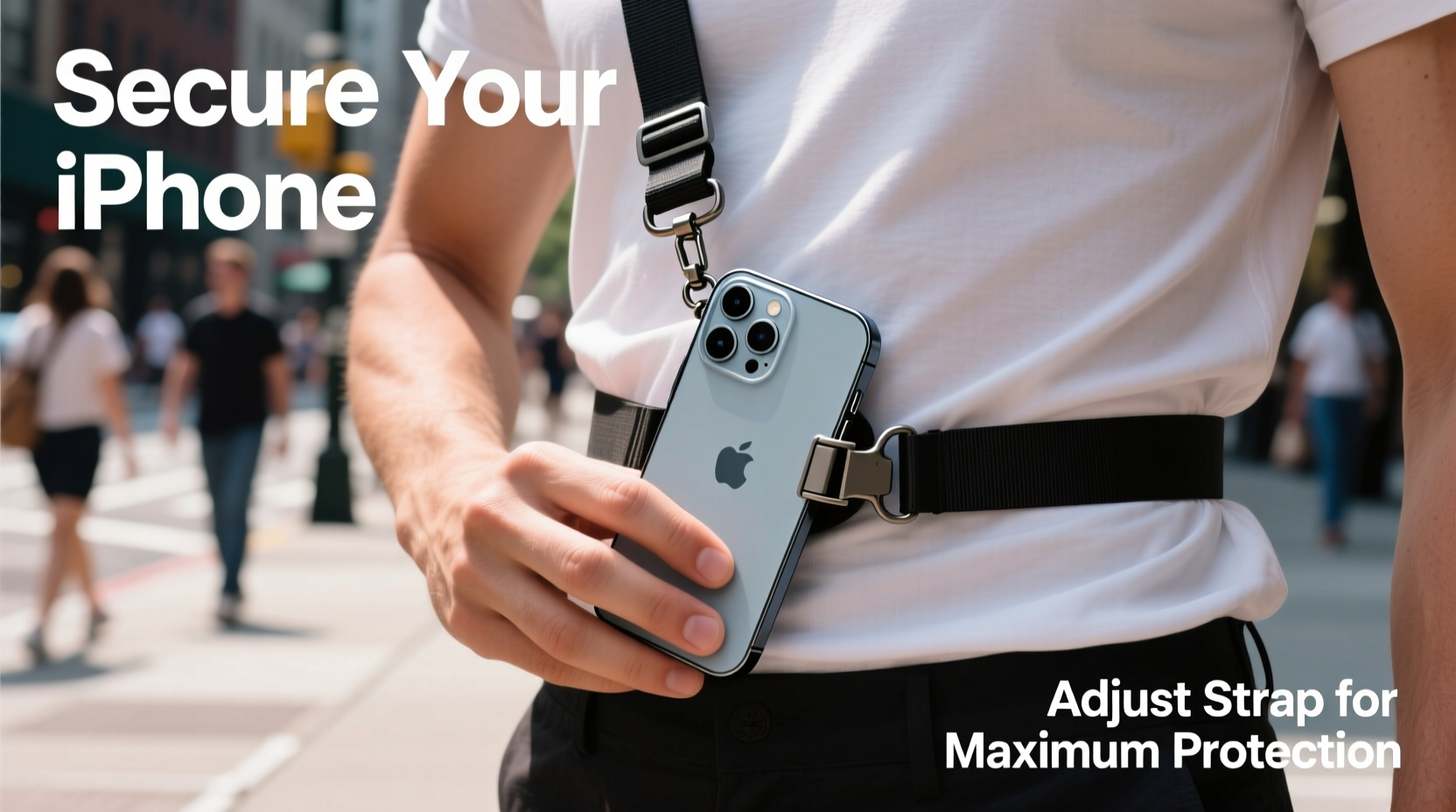
Traditional phone cases absorb impact but do nothing to prevent the initial drop. Screen protectors and rugged shells can only help after the fall has already occurred. A crossbody case, however, stops the drop before it happens by anchoring your iPhone to your torso via an adjustable strap.
This method is particularly valuable in dynamic situations:
- Walking down stairs while checking messages
- Navigating a packed subway during rush hour
- Carrying groceries or luggage with one hand
- Taking photos in motion or at arm’s length
The physics are simple: when your phone is attached to your body, gravity has less opportunity to act independently on the device. Even if you fumble it, the strap catches it mid-fall.
“Anchoring your phone reduces drop incidents by up to 70% in high-activity scenarios,” says Dr. Lena Torres, biomechanics researcher at Urban Mobility Labs. “It shifts protection from reactive to proactive.”
Choosing the Right Crossbody Case for Your Lifestyle
Not all crossbody cases are created equal. The best one for you depends on your daily routines, fashion preferences, and phone model. Consider these key features when shopping:
| Feature | Why It Matters | Recommended Option |
|---|---|---|
| Adjustable Strap Length | Allows customization for sitting, standing, or layering over coats | Straps ranging from 30” to 50” |
| Material Durability | Resists wear from daily friction and weather exposure | Nylon or neoprene with reinforced stitching |
| Phone Access Design | Enables quick use without removing the phone | Front-facing transparent window or magnetic flap |
| Weight Distribution | Prevents shoulder strain during extended wear | Ergonomic padding and balanced center of gravity |
| Compatibility | Fits your exact iPhone model and allows port access | Model-specific cases with cutouts for charging and Face ID |
Step-by-Step Guide to Using a Crossbody Case Safely
Simply owning a crossbody case isn’t enough. Proper usage ensures maximum protection and comfort. Follow this sequence to get the most out of your setup:
- Insert your iPhone securely – Ensure it’s fully seated in the case with no gaps. Double-check that ports and sensors remain unobstructed.
- Adjust the strap before wearing – Hold the case against your side and extend the strap so it crosses diagonally from shoulder to hip without sagging or pulling.
- Wear it across the body, not over one shoulder – The crossbody position stabilizes weight and prevents swinging. Single-shoulder carry increases the chance of slippage.
- Position the phone on your non-dominant side – If you’re right-handed, wear it on the left hip. This keeps your dominant hand free and reduces unconscious grabbing motions that lead to drops.
- Test mobility – Walk up stairs, sit down, reach overhead, and simulate real-life movements to confirm comfort and retention.
- Use the strap lock (if available) – Some models include a slider or clip to prevent the strap from sliding during use. Engage it once adjusted.
For added peace of mind, pair your case with a built-in lanyard loop or secondary snap closure, especially if you frequently ride bikes, take public transport, or attend events.
Real-World Example: Avoiding Disaster at Grand Central Terminal
Sophie, a freelance photographer in New York City, used to lose her grip on her iPhone multiple times a year—once resulting in a shattered screen just two weeks after purchase. “I was rushing to catch the Metro-North with my camera bag, coffee, and suitcase,” she recalls. “I pulled out my phone to check the platform, and it slipped right out. I watched it bounce down three stairs.”
After that incident, she switched to a minimalist crossbody case with a padded nylon strap. “Now, even when I’m juggling gear, my phone stays put. I’ve dropped it twice since then—but it just dangled and swung back. No damage.”
Her experience reflects a growing trend among urban professionals: prevention beats repair. In high-density environments, physical tethering is becoming standard practice.
Common Mistakes That Undermine Crossbody Security
Even with the best equipment, improper habits can compromise safety. Avoid these pitfalls:
- Over-tightening the strap – Can cause discomfort and restrict breathing or movement, leading users to remove the case prematurely.
- Wearing it too high – Placing the phone near chest level increases swing radius and makes it easier to knock loose.
- Ignoring strap wear – Frayed stitching or weakened clips can fail unexpectedly. Inspect monthly.
- Using it as a fashion accessory only – If you don’t actually rely on it for daily phone access, you’re more likely to take it off and revert to risky handling.
Essential Checklist Before You Buy
Before purchasing a crossbody case, verify the following:
- ✅ Compatible with your iPhone model (e.g., iPhone 15 Pro Max, iPhone SE 3rd gen)
- ✅ Includes full access to charging port, speakers, and Face ID
- ✅ Strap is detachable or adjustable for different outfits and activities
- ✅ Has a secure closure mechanism (magnetic flap, zipper, or snap)
- ✅ Offers a warranty or satisfaction guarantee from the manufacturer
- ✅ Lightweight design (under 6 oz) to avoid neck or shoulder strain
- ✅ Water-resistant or easy-to-clean material for longevity
Frequently Asked Questions
Can I use a crossbody case with a wallet or card holder?
Yes—many modern crossbody cases include slim card slots or RFID-blocking pockets. However, avoid overloading it, as extra weight increases swing force and strap stress. Stick to 2–3 cards and cash only.
Is a crossbody case suitable for workouts or running?
For light walking or errands, yes. But for intense cardio, consider an armband or waist pouch instead. Crossbody straps can bounce excessively during running, increasing the risk of abrasion or accidental release.
Will the strap interfere with seatbelts or backpacks?
It can, especially in cars or on crowded transit. To avoid entanglement, loosen the strap slightly when sitting or temporarily tuck the phone into a front pocket while buckling up. Always reattach it before standing.
Final Thoughts: Make Security Second Nature
Protecting your iPhone shouldn’t depend on luck or reflexes. A crossbody case transforms phone security from a gamble into a reliable system. By anchoring your device to your body, you eliminate the most common cause of damage: accidental drops. The small adjustment in how you carry your phone pays long-term dividends in reduced repair costs, data safety, and uninterrupted connectivity.
Start today by evaluating your current phone habits. How many times have you fumbled it? How often do you place it on unstable surfaces? A crossbody case isn’t just an accessory—it’s a smart upgrade in personal tech hygiene.




 浙公网安备
33010002000092号
浙公网安备
33010002000092号 浙B2-20120091-4
Comments
No comments yet. Why don't you start the discussion?