
Selecting the right shoulder bag for daily workwear is more than a fashion decision—it’s an investment in functionality, comfort, and long-term style. Whether you're navigating crowded subways, attending back-to-back meetings, or working remotely from a café, your bag must keep up. A poorly constructed bag frays, breaks, or feels uncomfortable after just a few weeks. On the other hand, a well-chosen shoulder bag blends durability with design, becoming a reliable companion through seasons of use. The key lies in understanding materials, construction, ergonomics, and personal needs.
Material Matters: Choosing Longevity Over Trends
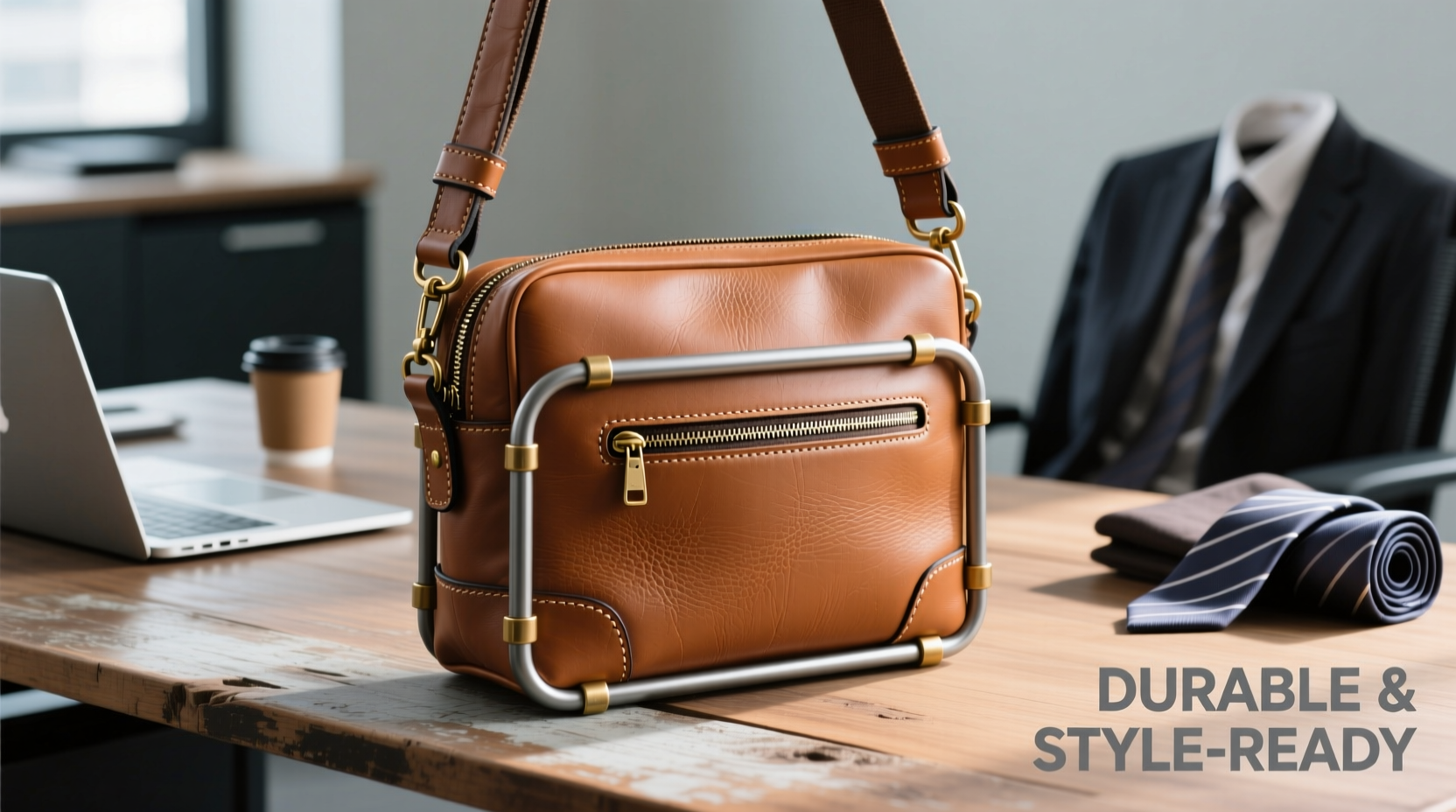
The foundation of any durable shoulder bag is its material. While aesthetics matter, prioritize fabrics and hides that can endure daily friction, weather exposure, and repeated handling.
- Full-grain leather: Known for its resilience and natural grain, full-grain leather develops a rich patina over time instead of deteriorating. It resists scratches better than top-grain or bonded leather.
- Cordura nylon: Originally developed for military gear, this fabric is abrasion-resistant, lightweight, and water-repellent—ideal for urban commutes.
- Waxed canvas: Offers excellent water resistance and gains character with age. Brands like Filson and Sandqvist use this for rugged yet refined styles.
- Recycled polyester (e.g., ECONYL): Sustainable and strong, especially when tightly woven. Look for high denier counts (above 600D) for added toughness.
Avoid ultra-thin synthetics or “pleather” unless they’re reinforced with lining. These often crack at stress points like handles or zippers within months.
Evaluating Construction Quality
Durability isn’t just about material; it’s in the craftsmanship. Pay attention to stitching, hardware, and structural reinforcements.
| Feature | What to Look For | Red Flags |
|---|---|---|
| Stitching | Double or triple-stitched seams, especially at handles and straps | Loose threads, uneven spacing, single stitching on load-bearing areas |
| Hardware | Brass or stainless steel zippers and buckles | Plastic zippers, flimsy clasps, or painted metal that chips easily |
| Lining | Dense, tightly woven fabric (e.g., cotton twill or ballistic nylon) | Thin, loosely woven interiors that tear easily |
| Reinforcements | Padded base, bar-tacked stress points | Flat bottoms without structure, no extra stitching near straps |
Examine the bottom panel closely. Many bags collapse or wear through here first. A rigid or double-layered base significantly improves longevity.
“Durability starts at the stitch level. If the thread isn’t UV-resistant and tightly tensioned, even premium leather will fail prematurely.” — Julian Park, Bag Designer & Craftsmanship Consultant
Design That Balances Style and Function
A stylish bag shouldn’t sacrifice practicality. The best designs integrate clean aesthetics with intelligent compartmentalization.
Consider these functional elements:
- Organized interior layout: Dedicated sleeves for laptops (preferably padded), tablet slots, and pen holders reduce clutter and protect devices.
- Quick-access pockets: An exterior zippered pocket allows easy retrieval of transit cards or keys without opening the main compartment.
- RFID-blocking sections: Useful if you carry credit cards or ID regularly.
- Adjustable strap: Allows switching between crossbody and shoulder carry depending on load and comfort needs.
Color and finish also play a role in long-term appeal. Neutral tones like charcoal, navy, olive, or tan are easier to match with professional attire and hide minor scuffs better than bright colors or white.
Mini Case Study: Sarah’s Commute Upgrade
Sarah, a marketing executive in Chicago, used a sleek vegan leather tote for two years. Though stylish, the handles cracked after nine months, and the thin lining tore when her laptop slipped. She switched to a waxed canvas shoulder bag with brass hardware and a structured base. Despite daily L-train rides and winter slush, the bag remained intact after 18 months. “It looks better now than new,” she says. “The scuffs tell a story instead of signaling failure.”
Your Selection Checklist
Before purchasing, go through this checklist to ensure your shoulder bag meets both durability and style standards:
- ✅ Is the exterior made from abrasion-resistant material (leather, Cordura, waxed canvas)?
- ✅ Are stress points (handles, strap anchors) double-stitched or bar-tacked?
- ✅ Does the zipper glide smoothly and lock securely?
- ✅ Is there a padded compartment for electronics?
- ✅ Can the bag stand upright without sagging?
- ✅ Is the shoulder strap wide enough (at least 1.5 inches) to prevent digging?
- ✅ Does the interior have secure pockets for small items?
- ✅ Is the color versatile enough to match multiple outfits?
Maintaining Your Investment
Even the sturdiest bag requires care. Regular maintenance prevents premature aging and keeps it looking polished.
- Wipe down leather monthly with a damp cloth and apply conditioner every 3–4 months.
- For fabric bags, spot-clean with mild soap and air dry—never machine wash.
- Empty the bag weekly to check for loose threads or damaged linings.
- Store it in a breathable cotton bag when not in use; avoid plastic bins that trap moisture.
“Consistent care and proper storage can double a bag’s lifespan.” — Emma Clarke, Fashion Care Expert
FAQ
Can I use my shoulder bag for both work and weekend outings?
Yes—if it has a minimalist design and neutral color. Avoid overly corporate shapes (like briefcase hybrids) if you want versatility. A slouchy silhouette in dark brown or black transitions well from office to dinner.
How do I know if a bag is ergonomic?
An ergonomic shoulder bag distributes weight evenly. Look for contoured straps, padding, and a center of gravity close to your body. If the bag pulls forward or slips off your shoulder, it’s poorly balanced.
Are expensive bags worth it for daily use?
Not always—but higher-priced bags often use superior materials and construction. Focus on value: a $300 bag used five days a week for three years costs less per use than a $120 bag replaced twice a year.
Final Thoughts: Choose Smart, Carry Confidently
A durable and stylish shoulder bag doesn’t happen by accident. It results from deliberate choices—prioritizing robust materials, inspecting construction details, and aligning design with real-world use. The ideal bag supports your routine without compromising your appearance or comfort. It becomes an extension of your personal style, evolving with you rather than falling apart under pressure.
Take the time to evaluate options beyond branding and price tags. Test, compare, and visualize how each bag fits into your daily rhythm. When you find the right one, it won’t just carry your essentials—it will carry you through seasons of productivity, travel, and growth.




 浙公网安备
33010002000092号
浙公网安备
33010002000092号 浙B2-20120091-4
Comments
No comments yet. Why don't you start the discussion?