
Choosing the right travel backpack is more than just picking a bag that looks good in photos. It’s about finding a balance between form and function—something that keeps your gear secure, distributes weight comfortably, and still reflects your personal style. Whether you're hiking through Patagonia, navigating city streets in Tokyo, or hopping on a weekend train trip across Europe, your backpack becomes an extension of your journey. A poor choice can lead to shoulder strain, disorganized chaos, or even forced laundry stops due to a leaky water bottle. The right one supports every step, holds up over time, and turns heads without sacrificing performance.
Understand Your Travel Style First
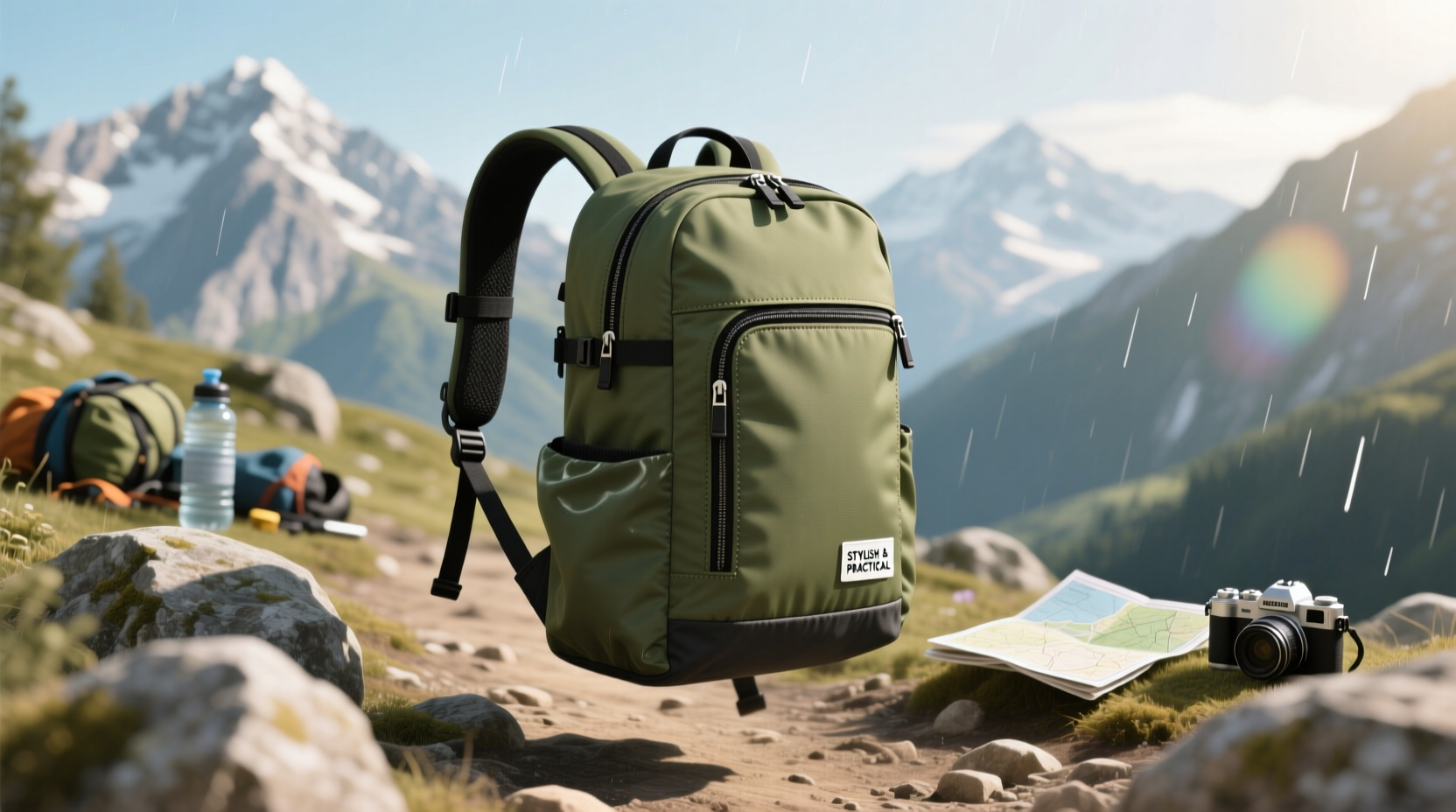
Before evaluating fabrics or zippers, define how and where you’ll use the backpack. A digital nomad spending months in co-working spaces has different needs than a thru-hiker tackling the Appalachian Trail. Start by answering three key questions:
- How long are your trips? Weekend jaunts require less storage than month-long journeys.
- What kind of terrain will you face? Urban environments favor sleek designs; rugged trails demand weather resistance and padding.
- Do you carry specialized gear? Photographers, laptop users, or climbers need dedicated compartments.
Backpacks come in three primary categories: daypacks (15–25L), carry-on compatible (30–45L), and expedition-sized (50L+). For most travelers, a 35–40L pack strikes the ideal balance—large enough for two weeks of essentials, small enough to fit overhead bins.
Key Features That Combine Style and Function
A truly great travel backpack doesn’t force you to choose between aesthetics and utility. Look for these features that elevate both:
Ergonomic Design with Discreet Padding
Comfort starts with the suspension system. Padded shoulder straps, a ventilated back panel, and a load-bearing hip belt prevent fatigue. Top-tier packs distribute weight so effectively you’ll forget you’re carrying 10kg. But padding shouldn’t scream “outdoor gear.” Sleek lines, minimalist webbing, and neutral colorways keep the look urban-ready.
Dedicated Tech & Security Compartments
Modern travelers need quick access to laptops, power banks, and passports. Look for a padded laptop sleeve (ideally 15” compatible) tucked away in the main compartment or a rear-facing anti-theft pocket. RFID-blocking pockets add peace of mind in crowded areas.
Weather-Resistant Materials Without the Bulk
Nylon variants like Cordura or recycled ripstop offer excellent abrasion resistance and water repellency. Some brands apply a DWR (durable water repellent) finish that sheds light rain. Avoid PVC-coated bags—they’re durable but heavy and environmentally taxing.
Thoughtful Organization
Pockets matter. Too few, and everything jumbles together. Too many, and the design feels cluttered. Ideal layouts include:
- Front U-zip opening to the main chamber
- Side mesh pockets for water bottles
- Internal compression straps to stabilize contents
- Separate shoe or wet-gear compartment
“Travelers often underestimate how much organization affects daily stress. A well-zoned backpack saves minutes at every stop—and those add up.” — Lena Torres, Gear Editor at *Wanderlust Review*
Style Cues That Don’t Compromise Durability
Stylish doesn’t mean fragile. Many premium brands now blend fashion-forward silhouettes with technical materials. Consider these aesthetic choices that still perform:
| Design Feature | Functional Benefit | Style Advantage |
|---|---|---|
| Minimalist branding | Less stitching = fewer weak points | Clean, modern appearance |
| Hidden stowable straps | Prevents snags during transit | Looks compact when not in use |
| Neutral color palette (charcoal, olive, navy) | Hides dirt and scuffs | Matches any outfit or destination |
| Magnetic chest strap | Keeps shoulders stable | Sleek closure vs. bulky buckles |
Brands like Aer, Peak Design, and Tortuga have redefined what a travel backpack can look like—merging the clean lines of urban messenger bags with the resilience of outdoor packs.
Step-by-Step Guide to Choosing Your Backpack
Follow this process to narrow down your options efficiently:
- Define your capacity needs based on trip length and climate (warmer destinations need less clothing).
- Set a budget—quality packs range from $150–$350. Cheaper models may cut corners on stitching or zippers.
- Test fit in person if possible. Load it with weight and walk around. Check for pressure points on shoulders and hips.
- Inspect hardware: YKK zippers, aluminum buckles, and bartacked stress points indicate longevity.
- Read real-user reviews focusing on long-term wear, not just first impressions.
- Check return policies in case the fit isn’t right once you start using it regularly.
Real-World Example: From Commute to Trekking
Sophie, a freelance designer from Portland, needed one bag for her daily commute, weekend getaways, and biannual hiking trips. She initially bought a sleek leather backpack, only to find it soaked through in drizzle and lacked support on trails. After returning it, she invested in a 38L hybrid pack with a roll-top closure, ventilated back panel, and hidden passport pocket. The matte black finish looked professional downtown, while the weather-resistant fabric handled mountain showers. Sixteen months later, it remains her only bag—proof that thoughtful design transcends context.
Essential Checklist Before You Buy
Checklist: What to Verify Before Purchase
- ✅ Fits carry-on size restrictions (typically 45 x 35 x 20 cm)
- ✅ Has a built-in rain cover or water-resistant construction
- ✅ Includes a secure laptop compartment with padding
- ✅ Offers a comfortable hip belt and sternum strap
- ✅ Zippers glide smoothly and lock securely
- ✅ Weight is under 1.5 kg (lighter reduces overall load)
- ✅ Manufacturer offers repair or warranty support
Frequently Asked Questions
Can a stylish backpack still be TSA-friendly?
Absolutely. Many modern travel packs feature clamshell openings that lay flat on security trays, making laptop removal effortless. Look for models designed with airport efficiency in mind—some even include ticket pockets and boarding pass sleeves.
Is leather appropriate for travel backpacks?
Leather looks elegant but poses risks: it’s heavy, absorbs moisture, and stiffens in cold climates. While some hybrid designs use leather accents, full-leather backpacks are best reserved for urban use in dry conditions.
How do I know if a backpack fits properly?
The shoulder straps should sit snugly without digging in. The hip belt must rest on your iliac crest (top of the pelvis), transferring 80% of the weight off your shoulders. When adjusted correctly, you should feel balanced, not pitched forward.
Final Thoughts: Invest in Your Journey
Your backpack is more than luggage—it’s your constant companion. The best options don’t sacrifice style for substance or vice versa. They anticipate your needs, endure unpredictable conditions, and reflect your taste without drawing unnecessary attention. By prioritizing fit, function, and long-term durability, you’ll avoid the cycle of replacing flimsy bags every season. Instead, you’ll own one reliable piece that evolves with your adventures.




 浙公网安备
33010002000092号
浙公网安备
33010002000092号 浙B2-20120091-4
Comments
No comments yet. Why don't you start the discussion?