
Selecting the right canvas painting isn’t just about filling wall space—it’s an intentional act of self-expression. The artwork you choose becomes a silent ambassador of your personality, taste, and emotional tone within your environment. Whether it’s a living room, bedroom, or home office, the right piece can transform a room from functional to deeply personal. Yet, many people default to generic prints or impulse buys that don’t resonate long-term. To avoid mismatched aesthetics and regrettable decor choices, a thoughtful approach is essential.
Understand Your Personal Aesthetic
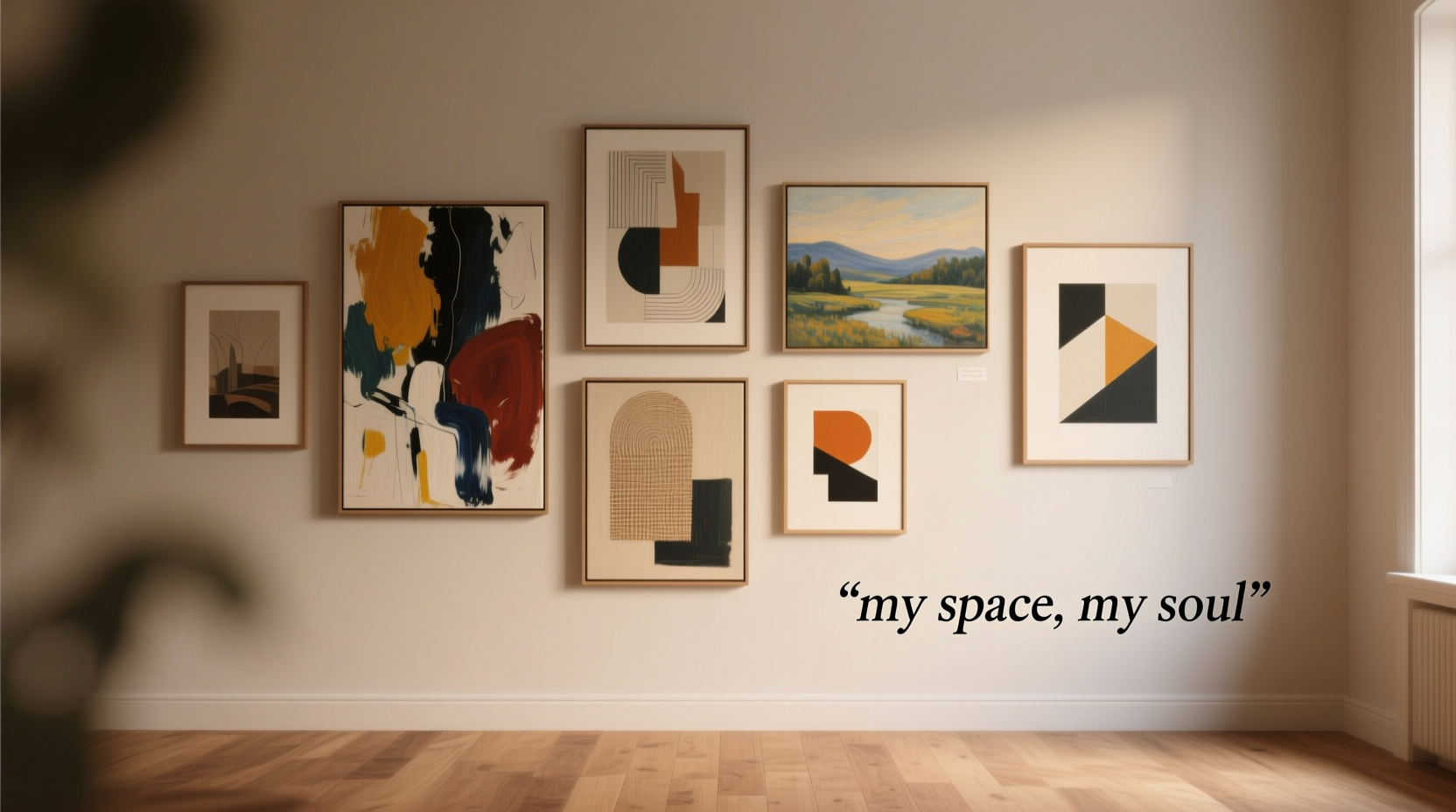
Before browsing galleries or scrolling through online marketplaces, take time to reflect on what genuinely inspires you. Art preferences are deeply subjective, shaped by life experiences, memories, and even subconscious emotional responses. Some gravitate toward bold abstracts; others find peace in minimalist landscapes or vintage portraiture.
To clarify your style, consider keeping a visual journal. Collect images—digital or printed—from sources like Pinterest, art books, or museum websites that consistently catch your eye. Look for patterns: recurring colors, subjects, or techniques. Are you drawn to textured impasto strokes, geometric precision, or soft watercolor blends? This exercise helps identify whether your style leans modern, bohemian, classic, industrial, or eclectic.
Match the Painting to the Room’s Function and Mood
A painting should complement not only the physical space but also its purpose. The energy of a room shifts dramatically based on the art it holds. For instance, a serene seascape might enhance relaxation in a bedroom, while a vibrant, dynamic composition could stimulate creativity in a home office.
Consider these pairings:
- Living Room: Choose conversation-starting pieces—large-scale works, expressive portraits, or thematic series that reflect shared values or travel memories.
- Bedroom: Opt for calming tones and soothing imagery. Avoid overly intense or chaotic compositions that may disrupt rest.
- Dining Area: Art with warmth—still lifes, harvest scenes, or cultural motifs—can enrich mealtime ambiance.
- Home Office: Select focused, inspiring works—perhaps monochromatic line art or motivational quotes rendered artistically.
“Art in a space should feel like a natural extension of the person who inhabits it. When chosen with intention, it doesn’t just decorate—it resonates.” — Lena Torres, Interior Stylist & Curator
Size, Scale, and Placement: The Visual Balance
No matter how beautiful a painting is, incorrect sizing can throw off a room’s visual harmony. A tiny canvas on a large blank wall looks lost; an oversized piece in a small nook feels oppressive.
Follow these practical guidelines:
- Furniture Alignment: Center the painting above a sofa, bed, or console so its width is 50–75% of the furniture beneath.
- Eye-Level Rule: Hang the center of the artwork approximately 57–60 inches from the floor—the average eye level.
- Groupings: For gallery walls, maintain consistent spacing (2–3 inches between frames) and align the outer edges for cohesion.
- Ceiling Height: In rooms with high ceilings, consider tall vertical pieces or stacked arrangements to draw the eye upward without leaving upper walls barren.
| Wall Width | Recommended Canvas Size | Best For |
|---|---|---|
| Up to 4 ft | 16x20” to 24x36” | Niches, hallways, small accent walls |
| 4–6 ft | 30x40” to 36x48” | Sofa backs, entryways, twin beds |
| 6–9 ft | 40x60” or diptych/triptych sets | Living rooms, master beds, feature walls |
| Over 9 ft | Large single (48x72”) or curated groupings | Loft spaces, stairwells, open-plan areas |
Color Harmony and Lighting Considerations
Colors in a painting should either harmonize with or thoughtfully contrast your room’s palette. Pull one or two dominant hues from your existing decor—cushions, rugs, or curtains—and look for artwork that incorporates them. This creates continuity without monotony.
Natural and artificial lighting significantly affect how colors appear. North-facing rooms receive cooler light, which can mute warm tones; south-facing spaces get bright sunlight that enhances vibrancy. View potential paintings under the actual lighting conditions of your space, if possible. If buying online, order samples or request video previews in daylight.
Step-by-Step Guide: Choosing Your Ideal Canvas Painting
Follow this sequence to ensure a confident, meaningful selection:
- Assess the Space: Measure the wall and note surrounding furniture, colors, and lighting.
- Define the Mood: Decide what emotion or energy you want the room to evoke.
- Identify Style Preferences: Review your visual journal or mood board for recurring themes.
- Shortlist Artists or Themes: Search for creators whose work aligns with your aesthetic—abstract, realism, surrealism, etc.
- Evaluate Proportion: Match canvas dimensions to your wall using the table above as a guide.
- Test Digitally: Use augmented reality apps (like IKEA Place or ArtPlacer) to visualize the artwork in your space.
- Purchase with Confidence: Buy from reputable sources offering return policies or customization options.
Real Example: Transforming a Neutral Living Room
Sophie, a graphic designer in Portland, had a modern yet sterile living room with gray walls and beige upholstery. She loved bold colors but hesitated to incorporate them, fearing imbalance. After assessing her style, she realized her favorite designs featured deep indigo, terracotta, and gold accents—colors present in her travel photos from Morocco.
She commissioned a local artist to create a 36x48” abstract canvas blending those tones with geometric patterns inspired by Moroccan tilework. Mounted above her charcoal sofa, the piece became the room’s focal point. Within days, she added matching throw pillows and a handwoven rug, completing a cohesive, culturally rich aesthetic that felt authentically hers.
Checklist: Before You Hang Your Canvas
- ✅ Measured the wall and furniture below
- ✅ Confirmed the artwork’s emotional alignment with the room’s purpose
- ✅ Verified color compatibility with existing decor
- ✅ Checked lighting conditions and planned for illumination if needed
- ✅ Ensured secure hanging hardware for the canvas weight
- ✅ Stepped back to evaluate balance in the full room context
Frequently Asked Questions
Can I mix different art styles in one room?
Yes, but do so intentionally. Mixing styles works best when unified by a common element—such as consistent frame finishes, a shared color thread, or balanced composition. Avoid clutter by limiting the number of focal points.
Should canvas paintings be framed?
Not always. Gallery-wrapped canvases (with painted or mirrored edges) often look complete unframed. Framing adds formality and protection, ideal for traditional settings or delicate works. Consider the room’s overall style when deciding.
How do I support emerging artists while finding unique pieces?
Explore local art fairs, Etsy, Saatchi Art, or Instagram hashtags like #contemporarycanvas or #emergingartist. Many offer custom commissions, allowing you to co-create a piece tailored to your space and vision.
Final Thoughts: Make It Meaningful
The most impactful canvas paintings aren’t necessarily the most expensive or famous—they’re the ones that make you pause, smile, or feel seen. Your space should tell your story, not someone else’s. By aligning art with your aesthetic, room function, and emotional intent, you create interiors that are not just stylish, but soulful.




 浙公网安备
33010002000092号
浙公网安备
33010002000092号 浙B2-20120091-4
Comments
No comments yet. Why don't you start the discussion?