
Resin fridge magnets are more than just decorative accents—they’re functional keepsakes, personalized gifts, and daily reminders that bring joy and organization into our kitchens. Yet not all resin magnets are created equal. Many begin to chip, fade, or crack within months, especially when exposed to temperature shifts, moisture, or frequent handling. To ensure your magnets remain vibrant and intact for years, it’s essential to understand what makes a high-quality resin magnet truly durable. From material composition to construction techniques, this guide reveals the key factors that separate fleeting novelties from lasting heirlooms.
Understand the Resin Type and Quality
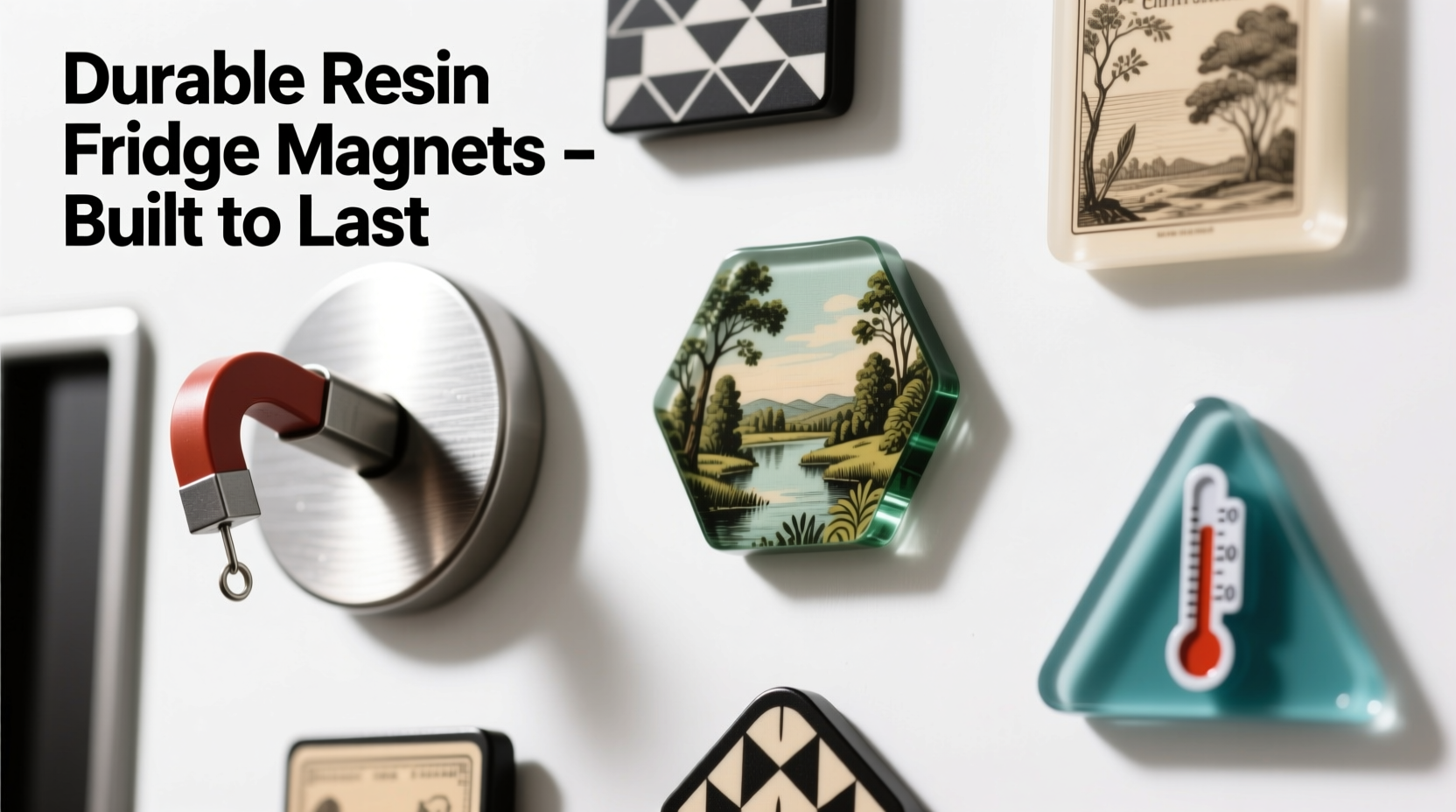
The foundation of any durable resin magnet lies in the type of resin used during manufacturing. Two primary types dominate the market: polyester resin and epoxy resin. While both can be molded into attractive shapes, their performance differs significantly over time.
Polyester resin is cheaper and faster to cure, making it popular among mass producers. However, it tends to yellow under UV exposure, becomes brittle with age, and has lower impact resistance. In contrast, epoxy resin offers superior clarity, UV stability, and mechanical strength. High-quality two-part epoxy resins are less prone to cracking and maintain their color integrity even after prolonged sun exposure near windows or under kitchen lighting.
When evaluating products, look for descriptions like “premium epoxy,” “crystal-clear casting resin,” or “non-yellowing formula.” Avoid vague terms such as “resin-coated” without further detail, which may indicate a thin surface layer rather than solid cast construction.
Analyze the Magnet Core and Bonding Method
No matter how beautiful the resin exterior, a weak magnetic backing will doom the product. The magnet core is responsible for adhesion strength and longevity. Most durable resin magnets use neodymium (rare earth) magnets or strong ferrite magnets encased securely within the resin body.
Neodymium magnets offer exceptional holding power relative to size, making them ideal for heavier or thicker designs. Ferrite magnets are less powerful but more resistant to corrosion and demagnetization over time. Either can work well—if properly embedded.
The bonding method between the resin and magnet is critical. Poorly made magnets simply glue the magnet to the back, creating a failure point where separation occurs after repeated use. In contrast, premium magnets fully encapsulate the magnet within the resin mold, ensuring mechanical interlock and protection from moisture ingress.
“Magnet retention isn’t about glue—it’s about integration. If the magnet isn’t suspended in the pour, it will eventually detach.” — Daniel Park, Industrial Designer & Material Specialist
Checklist: What to Look for in the Magnet Construction
- ✔️ Magnet fully encased in resin, not glued on afterward
- ✔️ Use of neodymium or high-grade ferrite magnets
- ✔️ Flat, smooth back surface ensures full contact with metal
- ✔️ No visible gaps or bubbles around the magnet edge
- ✔️ Minimum thickness of 2mm for the magnet disc
Evaluate Design and Structural Integrity
Durability isn't only about materials—it's also shaped by design choices. Thin edges, delicate protrusions, and uneven thickness increase the risk of breakage during everyday use. A well-designed resin magnet balances aesthetics with structural resilience.
Look for pieces with rounded corners and consistent thickness throughout. Sharp angles concentrate stress and are more likely to chip when dropped or bumped against cabinets. Similarly, avoid ultra-thin designs (<3mm), which flex under pressure and are prone to cracking.
Artwork embedded inside the resin should be sealed beneath a protective layer before the final pour. Direct exposure of paper, fabric, or ink to the surface accelerates wear and makes the piece vulnerable to scratches and moisture damage.
| Design Feature | Durable Choice | Avoid |
|---|---|---|
| Edge Profile | Rounded or beveled | Sharp, knife-like edges |
| Thickness | 4–6mm average | Less than 3mm |
| Embedded Items | Sealed under clear resin cap | Barely covered or surface-mounted |
| Shape Complexity | Solid forms with minimal overhangs | Fine filigree or extended arms |
Step-by-Step Guide to Testing Durability Before Purchase
Since most buyers can’t physically inspect online purchases, follow this practical evaluation process to identify long-lasting magnets:
- Review Product Descriptions Carefully: Look for mentions of epoxy resin, UV stabilizers, and encapsulated magnets. Vague language suggests lower quality.
- Examine Customer Photos: Scroll through user-submitted images. Check for signs of chipping, cloudiness, or magnet detachment in long-term use shots.
- Assess Weight and Density: If purchasing in person, hold the magnet. Higher-quality resin feels dense and substantial, not lightweight or hollow.
- Test Magnetic Strength: Press the magnet against a steel surface. It should snap into place firmly and resist sliding when tilted.
- Inquire About Warranty or Guarantee: Reputable sellers often offer replacements for cracked or defective units—a sign of confidence in durability.
Real-World Example: A Teacher’s Experience with Classroom Magnets
Sarah Lin, a third-grade teacher in Portland, purchased two sets of custom student name tags for her whiteboard—one from a budget online marketplace, the other from a small artisan shop using epoxy resin. Within four months, the cheaper set began peeling at the edges, the colors dulled, and three magnets lost their backing entirely. The artisan-made set, though costing nearly twice as much, remained intact after 18 months of daily repositioning, dry-erase marker exposure, and accidental drops.
“I didn’t realize how much difference the build quality made,” Sarah said. “Now I only buy magnets labeled ‘encapsulated neodymium’ and ‘UV-protected epoxy.’ They last through multiple school years and still look new.”
Frequently Asked Questions
Can resin fridge magnets survive humidity and temperature changes?
Yes—when made with high-quality epoxy resin and fully sealed components. Properly cured epoxy resists moisture absorption and thermal expansion. Avoid placing magnets in areas with direct steam (like above kettles) to prolong lifespan.
How do I clean resin magnets without damaging them?
Use a soft cloth dampened with mild soapy water. Wipe gently and dry immediately. Never soak or scrub aggressively. Avoid alcohol-based cleaners, which can degrade the surface over time.
Are handmade resin magnets more durable than mass-produced ones?
Not automatically—but often yes. Artisans typically use better materials, allow longer curing times, and pay closer attention to detail. However, always verify specifications regardless of production scale.
Final Thoughts: Choose Smart, Last Long
Selecting a durable resin fridge magnet goes beyond visual appeal. It requires attention to material science, structural design, and manufacturing integrity. By prioritizing UV-stable epoxy resin, fully encapsulated magnets, and robust physical design, you invest in pieces that retain their charm and function for years. Whether used for grocery lists, family photos, or sentimental gifts, these small objects earn their keep when built to endure.




 浙公网安备
33010002000092号
浙公网安备
33010002000092号 浙B2-20120091-4
Comments
No comments yet. Why don't you start the discussion?