
For millions of people, wearing earrings should be a simple pleasure. Yet for those with sensitive skin or metal allergies, the experience can quickly turn painful—redness, itching, swelling, and even infection are common consequences of poorly chosen metals. The solution lies in understanding which materials are truly hypoallergenic and how to identify them in real-world jewelry shopping. Selecting the right earrings isn’t just about aesthetics; it’s about long-term comfort and ear health. With rising awareness of nickel allergies and skin sensitivities, more brands are offering safer options—but not all “hypoallergenic” claims are trustworthy. This guide breaks down the science, materials, and practical steps to help you choose earrings that look beautiful and feel safe.
Understanding Metal Sensitivities and Common Allergens
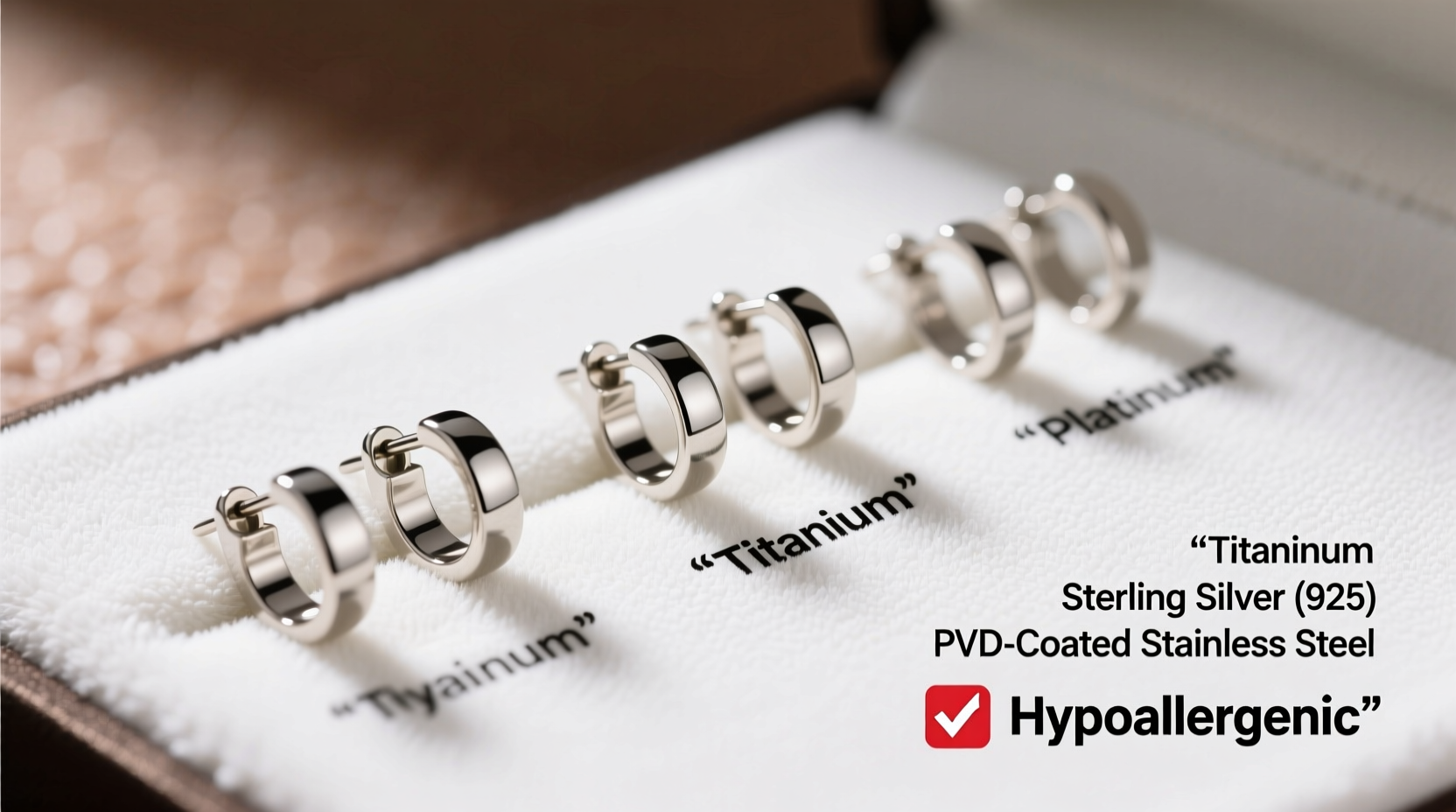
Skin reactions to earrings are typically caused by contact dermatitis—an inflammatory response triggered when certain metals interact with the skin. Nickel is the most common culprit, affecting up to 15% of the population globally, according to the American Contact Dermatitis Society. Even small amounts of nickel in alloy mixtures can cause symptoms, especially in pierced areas where moisture and bacteria increase metal leaching.
Other allergenic metals include cobalt and chromium, often found in lower-grade stainless steel or costume jewelry. These elements may not be listed on product labels, making informed selection essential. Symptoms of a reaction usually appear within 12 to 48 hours and include:
- Red, inflamed skin around the piercing
- Itching or burning sensation
- Swelling or blistering
- Crusting or oozing in severe cases
The best defense is prevention: choosing earrings made from biocompatible, non-reactive metals that minimize risk from the start.
Hypoallergenic Metals That Are Safe for Sensitive Ears
Not all metals are created equal. Some are naturally inert and less likely to provoke a reaction. The following materials are widely recognized as safe for sensitive skin:
- Surgical-Grade Stainless Steel (ASTM F138) – This medical-grade steel contains minimal nickel and is highly resistant to corrosion. Look specifically for ASTM F138 certification, not just “surgical steel,” which is often unregulated.
- Titanium (Grade 2 or 5) – Lightweight, strong, and completely nickel-free, titanium is one of the most biocompatible metals available. It's commonly used in body implants and piercings for this reason.
- Niobium – A lesser-known but excellent choice, niobium is naturally hypoallergenic and anodized to create vibrant colors without coatings or plating.
- Pure Gold (14k or higher, nickel-free) – While gold itself is non-reactive, lower karats often contain nickel-based alloys. Opt for 14k or 18k gold verified as nickel-free, preferably with a solid construction (not plated).
- Pure Platinum – Extremely rare in earring studs due to cost, but platinum is among the safest metals for sensitive skin—dense, durable, and naturally hypoallergenic.
Metals like sterling silver can be problematic despite their popularity. While pure silver isn’t allergenic, most sterling silver contains copper—and sometimes nickel—as hardening agents. Tarnish from silver sulfide can also irritate sensitive skin.
“Titanium and niobium are the gold standards for patients with metal allergies. They’re inert, non-corrosive, and ideal for long-term wear.” — Dr. Lena Patel, Board-Certified Dermatologist
How to Evaluate Jewelry Labels and Claims
The term “hypoallergenic” is not regulated by the FDA or FTC, meaning any brand can use it regardless of actual safety. To avoid misleading marketing, focus on verifiable details:
| Label Term | What It Means | Reliability |
|---|---|---|
| Hypoallergenic | No official definition; self-declared by seller | Low – treat with caution |
| Nickel-Free | No detectable nickel (must be lab-tested) | High – if certified |
| Surgical Steel | Vague; may still contain nickel | Medium – only trust ASTM F138 |
| Titanium (Grade 2 or 5) | Military/medical grade, biocompatible | Very High |
| Gold-Plated | Thin layer over base metal; wears off | Low – exposes allergens over time |
Always check product descriptions for specifics. Reputable sellers will list exact materials, manufacturing standards, and third-party testing results. When in doubt, contact customer service directly to ask about nickel content or plating methods.
Step-by-Step Guide to Choosing Safe Earrings
Selecting the right pair involves more than just reading labels. Follow this practical process to ensure lasting comfort:
- Assess your sensitivity level: If you’ve reacted to earrings before, assume nickel allergy until proven otherwise. Consider patch testing through a dermatologist.
- Choose the safest base metal: Prioritize titanium, niobium, or certified surgical steel. Avoid mixed alloys unless explicitly labeled nickel-free.
- Avoid plating and coatings: Rhodium, gold, or silver plating can wear off, exposing underlying allergenic metals. Solid metal is always safer.
- Check the post and backing: The earring back and post are in constant contact with skin. Ensure both are made from the same hypoallergenic metal.
- Start with simple designs: Studs and sleepers are ideal for sensitive ears—minimal surface area, no dangling parts that pull or trap bacteria.
- Clean regularly: Use a saline solution or mild soap and water weekly to remove buildup and reduce infection risk.
Real Example: Sarah’s Journey to Comfortable Earrings
Sarah, a 32-year-old teacher, loved wearing earrings but dreaded the persistent redness and discomfort she experienced within hours of putting them on. After years of assuming it was poor hygiene, she consulted a dermatologist and tested positive for a nickel allergy. She switched to titanium stud earrings for everyday wear and immediately noticed a difference—no itching, no swelling, even after full workdays.
She now keeps a set of niobium hoops for special occasions and avoids shopping at fast-fashion jewelry stores. “I learned the hard way that price doesn’t guarantee safety,” she says. “Now I read every label and only buy from brands that list exact materials. My ears have never felt better.”
Essential Checklist Before Buying Hypoallergenic Earrings
Use this checklist to make confident, irritation-free purchases:
- ✅ Confirmed nickel-free material (titanium, niobium, ASTM steel)
- ✅ Solid metal construction (not plated or coated)
- ✅ Post and back made from the same safe metal
- ✅ No synthetic adhesives or dyes near contact points
- ✅ Reputable brand with transparent sourcing
- ✅ Suitable design for daily comfort (e.g., lightweight studs)
Frequently Asked Questions
Can I wear gold earrings if I’m allergic to nickel?
Yes, but only if the gold is 14k or higher and explicitly labeled nickel-free. Many white gold alloys use nickel as a whitening agent, so verify composition with the manufacturer.
Are titanium earrings expensive?
Prices vary, but titanium earrings are often competitively priced due to low material cost and durability. Basic titanium studs can range from $20–$50, making them affordable for regular wear.
How do I clean hypoallergenic earrings safely?
Use warm water with a drop of mild dish soap and a soft brush. Rinse thoroughly and dry with a lint-free cloth. Avoid alcohol or harsh cleaners that can degrade finishes over time.
Final Thoughts: Prioritize Comfort Without Sacrificing Style
Choosing hypoallergenic earrings doesn’t mean giving up elegance or variety. With the right knowledge, you can enjoy beautiful, safe jewelry that enhances your look without compromising your comfort. The key is being proactive—reading labels carefully, understanding material science, and investing in quality over trends. Your ears deserve the same care as the rest of your body.




 浙公网安备
33010002000092号
浙公网安备
33010002000092号 浙B2-20120091-4
Comments
No comments yet. Why don't you start the discussion?