
In a world where small luxuries bring big comfort, enamel fidget keychains have emerged as both functional tools and stylish accessories. Designed to soothe anxiety, occupy restless hands, and elevate everyday carry, these compact pieces blend artistry with utility. But not all enamel keychains are built to last. Many begin to chip, fade, or lose structural integrity within weeks of regular use. Selecting one that maintains its luster and function over time requires more than just aesthetic appeal—it demands attention to craftsmanship, materials, and design intelligence.
This guide breaks down the essential factors in choosing an enamel fidget keychain that stands up to daily wear while reflecting your personal style. From understanding enamel types to evaluating hinge mechanisms, you’ll learn how to make informed decisions that ensure years of enjoyment from a seemingly simple object.
Understanding Enamel Quality: Hard vs. Soft vs. Cloisonné
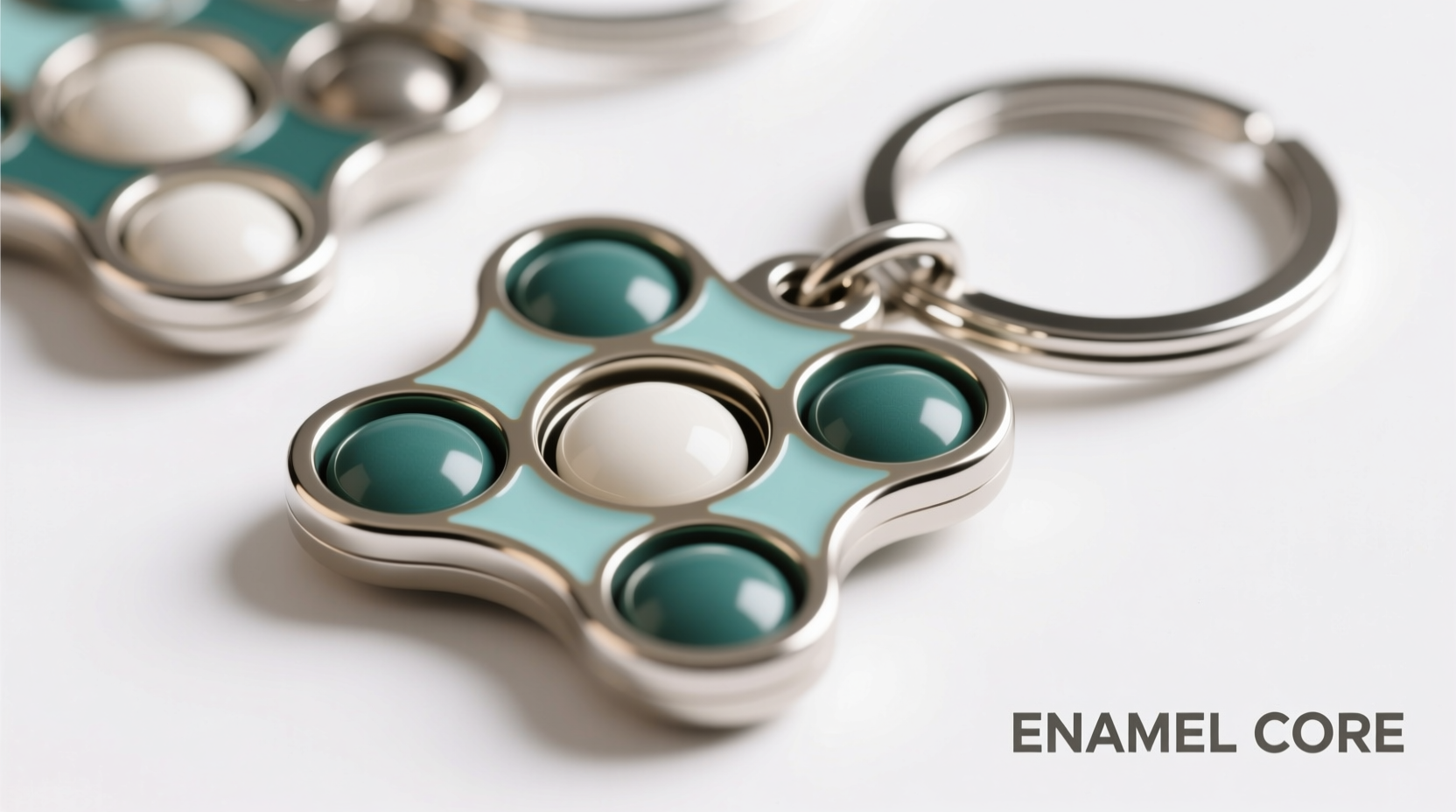
The term “enamel” refers to a glass-like coating fused onto metal through high-heat firing. However, not all enamels perform equally under stress. The three primary types used in keychains each offer distinct advantages and trade-offs:
- Hard Enamel: Also known as cold enamel or epoxy resin, this is poured into recessed metal outlines and polished flush with the surface. It’s highly scratch-resistant and retains color vibrancy longer than soft enamel.
- Soft Enamel: Sits below engraved metal borders, creating a textured feel. While cost-effective, it’s more prone to dirt accumulation and surface wear over time.
- Cloisonné (True Enamel): Made by filling tiny metal wire compartments with powdered glass, then fired at extreme temperatures. This method produces brilliant colors and exceptional durability—ideal for heirloom-quality pieces.
“Cloisonné enamel can last decades when properly sealed and handled. It’s the gold standard for collectors who value longevity.” — Daniel Reyes, Industrial Jewelry Designer
Structural Integrity: Hinges, Springs, and Metal Bases
A beautiful enamel surface means little if the mechanism fails. Most fidget keychains rely on rotating joints, spinning gears, or sliding components to deliver tactile satisfaction. These moving parts must be engineered for repeated motion without loosening or breaking.
The base metal plays a critical role. Opt for keychains made from:
- Stainless Steel: Resists corrosion, maintains strength, and supports heavier enamel layers.
- Zinc Alloy (Zamak): Lightweight and moldable, but only durable if thick-walled and well-plated.
- Brass: Naturally antimicrobial and strong, often used in premium designs.
Poorly constructed hinges or weak springs will degrade quickly, especially when carried in pockets or bags where they’re exposed to constant jostling.
| Metal Type | Durability | Corrosion Resistance | Ideal For |
|---|---|---|---|
| Stainless Steel | Excellent | High | Daily carry, humid climates |
| Brass | Very Good | Moderate (tarnishes) | Collectible pieces, indoor use |
| Zinc Alloy | Fair to Good | Low (if uncoated) | Budget-friendly options |
Design Features That Enhance Longevity
Style doesn’t have to sacrifice substance. In fact, the most enduring enamel fidget keychains integrate design elements that protect both form and function.
Look for:
- Recessed Enamel Pockets: The enamel should sit slightly below the metal rim, shielding it from direct contact during drops or friction.
- Double Sealing Layers: High-end models apply a clear protective lacquer after firing, preventing UV fading and moisture penetration.
- Smooth Edge Finishing: Sharp edges accelerate wear on fabric and skin. Rounded, polished borders extend usability and comfort.
- Minimalist Moving Parts: Overly complex gears or levers increase failure points. Simpler spinners or clickers tend to outlast intricate mechanisms.
Real Example: A Commuter’s Experience
Sophie, a graphic designer in Seattle, purchased two nearly identical enamel spinner keychains—one from a mass-market retailer, the other from a specialty artisan brand. Both featured vibrant floral patterns and stainless steel bases. Within six weeks, the retail version showed chipped enamel near the pivot point and developed a wobble in its central bearing. The artisan model, using cloisonné enamel and precision ball bearings, remained smooth and intact after nine months of daily use, including being tossed into backpacks and left in damp environments.
The difference? Reinforced internal structure and higher-grade sealing processes—features rarely advertised but evident in long-term performance.
Step-by-Step Guide to Choosing Your Keychain
Follow this five-step process to ensure you're investing in quality:
- Define Your Use Case: Will it be used primarily for stress relief, as a fashion accent, or both? High-fidget users need sturdier mechanics.
- Check Material Transparency: Look for listings that specify metal type and enamel process. If it's not listed, ask the seller directly.
- Inspect Movement Quality: If purchasing in person, test the spin or slide action. It should feel smooth but not loose.
- Evaluate Weight and Balance: A heavier piece often indicates denser metal and thicker enamel—both signs of durability.
- Review Warranty or Craftsmanship Guarantee: Reputable brands offer repair or replacement policies, signaling confidence in their build.
Common Mistakes to Avoid
Even experienced buyers fall into traps when selecting enamel fidget keychains. Steer clear of these pitfalls:
- Choosing Looks Over Function: A dazzling design won’t matter if the spinner jams after a week.
- Ignoring Coating Thickness: Thin enamel wears faster, especially on high-contact areas like edges.
- Overlooking Maintenance Needs: Some finishes require occasional polishing or dry wiping to prevent buildup.
- Buying Without Reading Reviews: User photos often reveal flaws not visible in professional shots.
Essential Care Checklist for Longevity
To maximize lifespan, follow this monthly maintenance routine:
- Weekly:
- Wipe with a dry microfiber cloth to remove oils and dust.
- Monthly:
- Inspect hinges and moving parts for resistance or looseness.
- Clean around enamel edges with a soft toothbrush (no water).
- Every 3–6 Months:
- Apply a drop of silicone-based lubricant to mechanical joints (avoid oil-based lubes).
- Store in a breathable pouch away from humidity.
Frequently Asked Questions
Can I wear my enamel fidget keychain in the rain?
Limited exposure is usually fine, especially with stainless steel and sealed enamel. However, prolonged moisture can corrode internal mechanisms or cause delamination over time. Dry thoroughly if wet.
Why does my keychain’s color look different in sunlight?
UV rays can degrade certain pigments, especially in lower-grade soft enamels. True cloisonné resists fading better due to its glass matrix. Always store out of direct sunlight when not in use.
Are expensive enamel keychains worth it?
For frequent users, yes. Premium models often use superior metals, tighter tolerances, and better sealing, resulting in a lifespan several times longer than budget alternatives. Think of it as buying a reliable tool versus a disposable trinket.
Final Thoughts: Style Meets Substance
The best enamel fidget keychains don’t just catch the eye—they endure through seasons of use, becoming trusted companions in moments of focus, calm, or idle creativity. Durability isn’t an accident; it’s the result of thoughtful material selection, precise engineering, and respect for craft.
When you choose a keychain designed to last, you’re not just making a purchase—you’re curating a small but meaningful part of your daily ritual. Whether clipped to a bag, looped through keys, or spun between fingers during a meeting, let it reflect both your taste and your standards.




 浙公网安备
33010002000092号
浙公网安备
33010002000092号 浙B2-20120091-4
Comments
No comments yet. Why don't you start the discussion?