
For many people, wearing earrings is a daily ritual—whether for fashion, cultural expression, or personal identity. But for those with sensitive skin or allergies, the experience can quickly turn uncomfortable. Redness, itching, swelling, and even discoloration of jewelry over time are common complaints. The solution lies not just in avoiding irritation but in choosing earrings that maintain their appearance and remain kind to delicate skin. Understanding which materials resist fading and minimize allergic reactions is essential for long-term comfort and style.
Understanding Ear Sensitivity and Jewelry Reactions
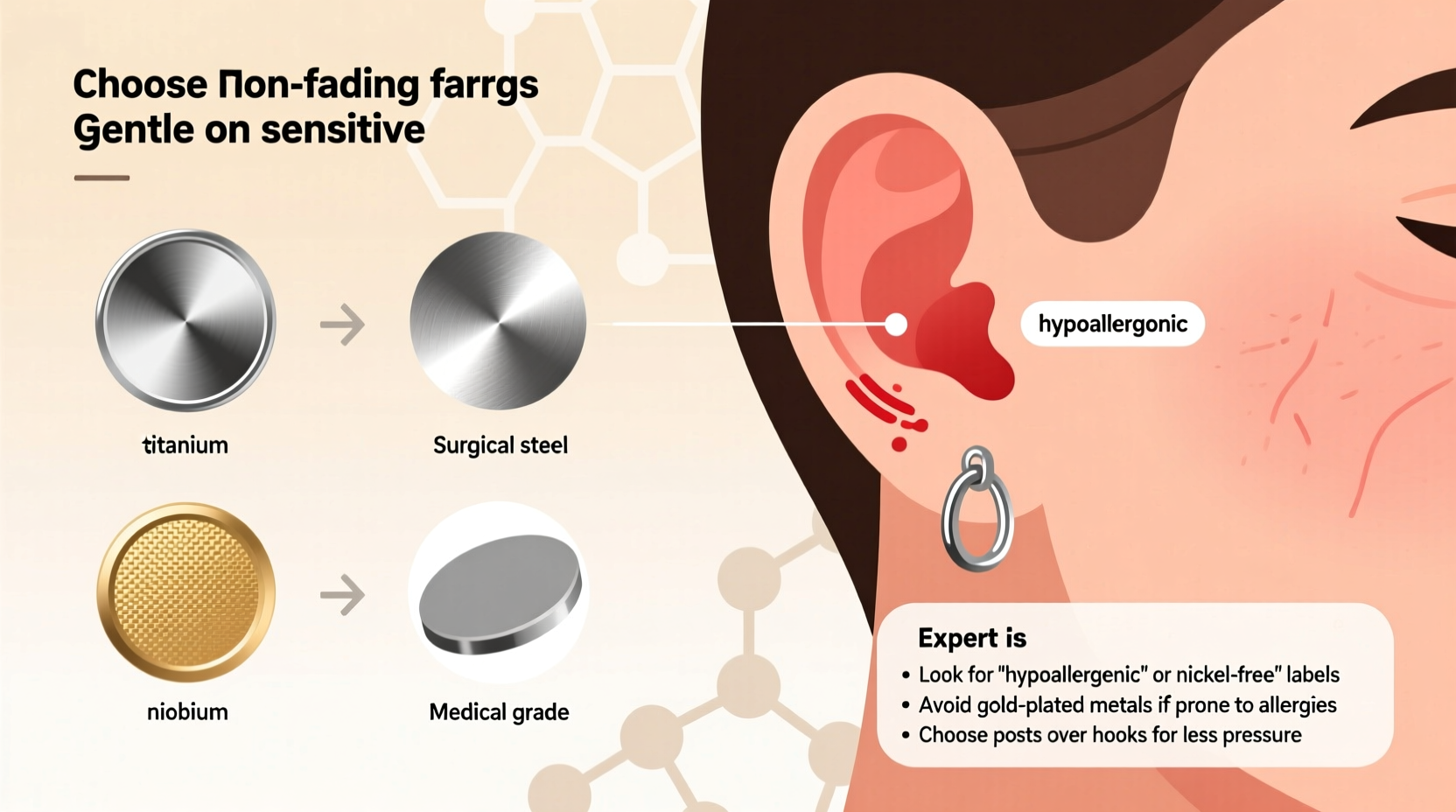
Sensitive ears often react to certain metals due to allergens like nickel, a common component in lower-grade alloys. When nickel leaches into the skin through moisture (like sweat), it can trigger contact dermatitis—an inflammatory response affecting millions worldwide. According to the American Contact Dermatitis Society, nickel allergy is the most prevalent cause of metal-induced skin reactions.
Fading, meanwhile, typically occurs when surface coatings wear off, especially in plated jewelry. A gold-plated earring over brass may look luxurious at first but can tarnish or fade within weeks, exposing base metals that irritate the skin. This dual problem—skin sensitivity and cosmetic deterioration—makes material selection critical.
“Patients frequently report ear discomfort from earrings they assumed were safe. The key isn’t just hypoallergenic claims—it’s knowing what’s beneath the surface.” — Dr. Lena Torres, Board-Certified Dermatologist
Best Materials for Non-Fading, Skin-Safe Earrings
The ideal earring combines biocompatibility with durability. Not all “hypoallergenic” labels are trustworthy, so focusing on verified materials is crucial. Below are the top choices backed by dermatologists and jewelers alike.
- Surgical-Grade Stainless Steel (316L): Resistant to corrosion and low in nickel release, this medical-grade steel is widely used in implants and body jewelry. It doesn’t tarnish easily and maintains its shine with minimal care.
- Titanium: Lightweight and exceptionally biocompatible, titanium is naturally hypoallergenic. It forms a protective oxide layer that prevents oxidation and fading. Ideal for long-term wear, including new piercings.
- Solid Gold (14k or higher): Real gold—especially 14-karat or above—is less likely to cause reactions than lower karats mixed with reactive alloys. Yellow gold tends to be safer than white gold, which often contains nickel unless explicitly labeled nickel-free.
- Pure Platinum: Dense, lustrous, and highly inert, platinum is one of the safest metals for sensitive skin. It does not tarnish or fade, though it comes at a premium price.
- Niobium: A lesser-known but excellent alternative to titanium, niobium is anodized to produce vibrant colors without dyes or plating. It's completely nickel-free and extremely resistant to fading.
Material Comparison: Safety, Durability, and Value
| Material | Hypoallergenic | Fade/Tarnish Resistance | Care Required | Average Cost |
|---|---|---|---|---|
| Surgical Stainless Steel | Yes (with 316L grade) | High | Low – wipe with cloth | $$ |
| Titanium | Yes | Very High | Very Low | $$$ |
| Solid 14k Gold | Yes (if nickel-free alloy) | High | Moderate – avoid chemicals | $$$$ |
| Platinum | Yes | Exceptional | Low | $$$$$ |
| Niobium | Yes | Very High (anodized color lasts) | None | $$$ |
| Gold-Plated Brass | No (base metal reacts) | Low – fades in weeks | High – coating wears fast | $ |
How to Shop Smart: A Step-by-Step Guide
Selecting the right earrings involves more than reading product descriptions. Follow these steps to ensure lasting quality and comfort.
- Read the Material Label Carefully: Look for specific terms like “solid 14k gold,” “titanium ASTM F136,” or “surgical 316L stainless steel.” Vague terms like “hypoallergenic” or “nickel-safe” are not regulated and can be misleading.
- Check for Third-Party Certifications: Reputable brands often provide certifications or lab reports verifying metal purity. For example, some titanium earrings carry medical implant-grade certification.
- Inspect the Finish: Even high-quality metals can be compromised by poor craftsmanship. Ensure posts, backs, and clasps are made from the same material as the front. Mixed metals increase risk of reaction.
- Start with Studs for New Piercings: Lightweight studs reduce pressure and friction. Opt for titanium or niobium during healing phases.
- Test Before Committing: If buying online, choose retailers with return policies. Wear the earrings for a few hours and monitor for redness or itching.
- Avoid Water Exposure During Initial Wear: Chlorine, saltwater, and sweat accelerate metal degradation. Remove earrings before swimming or intense workouts until you confirm compatibility.
Real Example: Sarah’s Switch to Titanium
Sarah, a teacher from Portland, had worn earrings since childhood but began experiencing persistent earlobe irritation in her late twenties. Over-the-counter creams didn’t help. After visiting a dermatologist, she learned she had a mild nickel allergy. She switched to titanium stud earrings for everyday wear. Within two weeks, the inflammation subsided. Two years later, her titanium hoops still look new despite regular use. “I didn’t realize how much discomfort I’d accepted as normal,” she said. “Now I only buy from jewelers who list exact materials.”
Essential Care Tips to Prevent Fading and Maintain Shine
Even the best materials require basic upkeep. Proper care extends lifespan and preserves appearance.
- Clean earrings weekly with warm water and mild soap. Use a soft toothbrush to reach crevices.
- Dry thoroughly after cleaning to prevent water spots or micro-corrosion.
- Store in a dry, lined jewelry box separated from other pieces to avoid scratches.
- Remove earrings before applying lotions, perfumes, or hair products, which can dull finishes.
- Avoid ultrasonic cleaners unless confirmed safe for your metal type—some can damage anodized surfaces.
Quick Checklist: Selecting Safe, Long-Lasting Earrings
- ☐ Confirm the metal is solid, not plated
- ☐ Choose titanium, surgical steel, solid gold, or niobium
- ☐ Verify all components (posts, backs) match the main material
- ☐ Avoid nickel, copper, brass, and cadmium
- ☐ Buy from transparent brands that disclose sourcing
- ☐ Clean earrings weekly and store properly
- ☐ Test new earrings for 24 hours before extended wear
Frequently Asked Questions
Can sterling silver be safe for sensitive ears?
Sterling silver (92.5% silver) often contains copper, which can tarnish and cause reactions in some individuals. While not inherently toxic, it oxidizes when exposed to air and moisture, turning black and potentially irritating skin. Rhodium-plated silver may help, but the plating wears off. For sensitive ears, it's generally less reliable than titanium or surgical steel.
Are expensive earrings always better for sensitive skin?
Not necessarily. Price doesn’t guarantee safety. Some high-end fashion brands use nickel-containing alloys beneath designer branding. Always verify the material composition regardless of cost. A $30 pair of medical-grade titanium studs may be safer than a $200 plated luxury brand.
How do I know if my earrings are fading due to quality or skin chemistry?
Fading caused by skin chemistry usually appears as dark residue on the skin or earring post—often from reactions between body oils and base metals. Genuine fading in quality materials is rare. If discoloration occurs within weeks, the earring is likely plated or made with reactive alloys.
Final Thoughts: Prioritize Health Over Trends
Beautiful earrings shouldn’t come at the cost of comfort or health. With rising awareness of metal sensitivities and improved access to biocompatible materials, there’s no need to compromise. By choosing solid, non-reactive metals and practicing simple maintenance, you can enjoy stylish, long-lasting jewelry that looks as good in a year as it did on day one. Your ears deserve care as much as your aesthetic.




 浙公网安备
33010002000092号
浙公网安备
33010002000092号 浙B2-20120091-4
Comments
No comments yet. Why don't you start the discussion?