
For individuals with sensitive skin, even the smallest jewelry choice can lead to discomfort, redness, or allergic reactions. Ear nails—also known as ear spikes or non-piercing ear studs—are a stylish alternative to traditional earrings, especially for those who prefer not to pierce their ears. When crafted from S925 silver, these accessories offer elegance and hypoallergenic potential. However, not all S925 silver ear nails deliver on safety and comfort. Understanding what makes a piece truly suitable for sensitive skin is essential for both style and well-being.
Understanding S925 Silver: What It Means for Your Skin
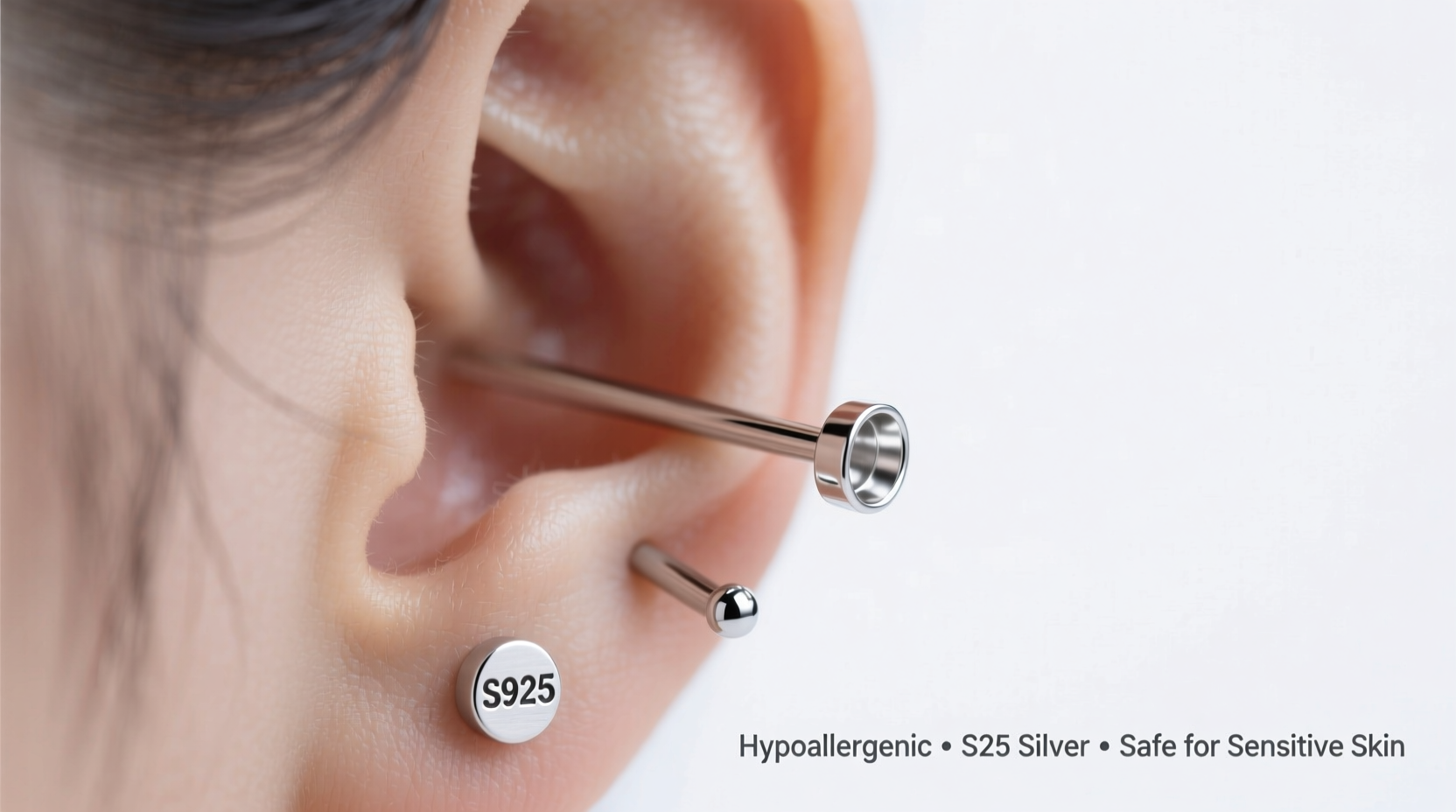
S925 silver, commonly referred to as sterling silver, consists of 92.5% pure silver and 7.5% alloy metals, typically copper. This blend enhances durability while maintaining the luster and malleability of fine silver. The “S925” hallmark is a globally recognized standard indicating authenticity and quality.
While pure silver is naturally hypoallergenic, the alloy component in S925 silver can sometimes trigger reactions—especially if impurities or reactive metals like nickel are used. Reputable manufacturers use inert metals such as zinc or germanium in the alloy mix to minimize irritation risks. Therefore, verifying the source and craftsmanship behind your S925 silver ear nails is critical.
“Sterling silver is one of the safest metals for sensitive skin when properly manufactured and free from nickel contamination.” — Dr. Lena Patel, Dermatologist & Cosmetic Safety Specialist
Key Factors That Affect Comfort and Safety
Selecting ear nails isn’t just about aesthetics—it’s about fit, material integrity, and long-term wearability. Below are the most important considerations:
- Surface Finish: A smooth, polished surface reduces friction against the skin, minimizing irritation during movement.
- Weight and Balance: Lightweight designs prevent pulling or pressure on the ear cartilage.
- Back Design: Magnetic, clip-on, or friction-fit backs should be soft-edged and adjustable to avoid pinching.
- Coating Quality: Some S925 silver pieces are rhodium-plated for added shine and protection. Rhodium is hypoallergenic and creates a barrier between skin and alloy.
The Role of Nickel and Other Allergens
Nickel is one of the most common causes of contact dermatitis. Even trace amounts in the alloy or plating can provoke reactions in highly sensitive individuals. While European Union regulations strictly limit nickel release in jewelry (under the REACH directive), not all global suppliers comply.
To ensure safety, look for products explicitly labeled “nickel-free” or certified under international standards such as ISO 11426 or EU Nickel Directive compliance. Third-party lab testing reports add another layer of assurance.
How to Choose the Right Style for Sensitive Ears
Ear nails rest directly on the ear’s outer ridge, often pressing into delicate cartilage. For sensitive users, design ergonomics matter as much as material purity.
Ergonomic Fit Tips
- Opt for rounded or curved backings that conform to the ear’s natural contour.
- Avoid sharp edges or protruding prongs that may dig into the skin over time.
- Choose adjustable tension mechanisms—too tight causes pain; too loose leads to slipping and constant readjustment.
- Prioritize smaller sizes for daily wear to reduce surface pressure.
Checklist: Selecting Safe S925 Silver Ear Nails
Use this practical checklist before making a purchase:
- ✅ Verified S925 hallmark or certificate of authenticity
- ✅ Explicitly labeled \"nickel-free\" or \"hypoallergenic\"
- ✅ Smooth, polished finish with no rough seams
- ✅ Rhodium or protective coating (optional but recommended)
- ✅ Ergonomic backing with gentle grip
- ✅ Reputable seller with transparent sourcing
- ✅ Positive customer reviews mentioning sensitive skin tolerance
Comparative Overview: Materials Commonly Used in Ear Nails
| Material | Hypoallergenic? | Durability | Skin Sensitivity Risk | Best For |
|---|---|---|---|---|
| S925 Silver (Nickel-Free) | Yes | High | Low | Daily wear, sensitive skin |
| S925 Silver (Unknown Alloy) | Potentially No | High | Moderate to High | Occasional wear, low sensitivity |
| Surgical Stainless Steel | Yes (if 316L grade) | Very High | Low | Active lifestyles |
| Titanium | Yes | High | Very Low | Extreme sensitivities |
| Fashion Metal Alloys | No | Low | Very High | Short-term styling only |
Real-World Example: Choosing Wisely After a Reaction
Sophie, a 29-year-old graphic designer, loved minimalist jewelry but consistently experienced redness and itching behind her ears after wearing certain silver-toned ear nails. Assuming it was due to poor hygiene, she cleaned them regularly but saw no improvement. After consulting a dermatologist, she learned she had a mild nickel allergy.
She began researching and switched to a brand that provided third-party test results confirming zero nickel content in their S925 silver line. The new ear nails featured a rhodium coating and a cushioned silicone backing. Within days, her symptoms disappeared. Sophie now checks product specifications meticulously and recommends others do the same—especially if they've had prior reactions.
Caring for Your S925 Silver Ear Nails to Maintain Safety
Even the safest materials can become irritants if not maintained properly. Oxidation, sweat buildup, and environmental pollutants can degrade metal surfaces and introduce bacteria.
Recommended Care Routine
- Clean weekly using a soft cloth dampened with lukewarm water and mild soap. Avoid abrasive cleaners.
- Dry thoroughly before storage to prevent tarnish and microbial growth.
- Store in an airtight pouch with anti-tarnish paper to limit exposure to air and moisture.
- Remove during exercise, showering, or swimming to avoid chemical and saltwater damage.
- Inspect monthly for signs of wear, such as flaking plating or sharp edges.
“Jewelry maintenance isn’t just about appearance—it directly impacts skin health. Dirty or degraded pieces increase inflammation risk.” — Dr. Alan Zhou, Clinical Dermatologist
Frequently Asked Questions
Can I wear S925 silver if I have sensitive skin?
Yes, provided the silver is genuine, nickel-free, and properly finished. Look for certifications and hypoallergenic claims from trusted brands. If in doubt, perform a patch test by wearing the piece on another part of the body (like the wrist) for 24 hours before using it near the ear.
What’s the difference between S925 silver and regular silver-plated jewelry?
S925 silver contains 92.5% real silver and is durable and long-lasting. Silver-plated items have a thin layer of silver over base metals like brass or nickel alloys, which can wear off quickly, exposing allergenic materials underneath. Plated jewelry is generally not recommended for sensitive skin.
Do rhodium-coated S925 ear nails last longer?
Yes. Rhodium plating adds scratch resistance and prevents tarnishing. It also acts as a protective barrier between your skin and the underlying metal. Over time (typically 1–3 years), the coating may wear down and require re-plating, but it significantly improves longevity and comfort.
Final Thoughts: Prioritize Health Without Sacrificing Style
Choosing S925 silver ear nails doesn’t have to mean compromising between beauty and comfort. With growing awareness and better manufacturing standards, it’s entirely possible to find elegant, skin-safe options that enhance your look without causing irritation. By focusing on verified materials, thoughtful design, and proper care, you empower yourself to enjoy jewelry confidently—even with sensitive skin.




 浙公网安备
33010002000092号
浙公网安备
33010002000092号 浙B2-20120091-4
Comments
No comments yet. Why don't you start the discussion?