
For many dogs, the irresistible sound of a squeak triggers an instinctual response—chase, bite, destroy. While squeaky toys provide mental stimulation and entertainment, they can quickly become hazards for aggressive chewers. A poorly made toy can break apart within minutes, exposing sharp edges, toxic materials, or small parts that pose choking risks. Selecting a safe, long-lasting squeaky toy isn’t just about durability—it’s about ensuring your dog's well-being while maximizing playtime value.
Understanding Aggressive Chewers
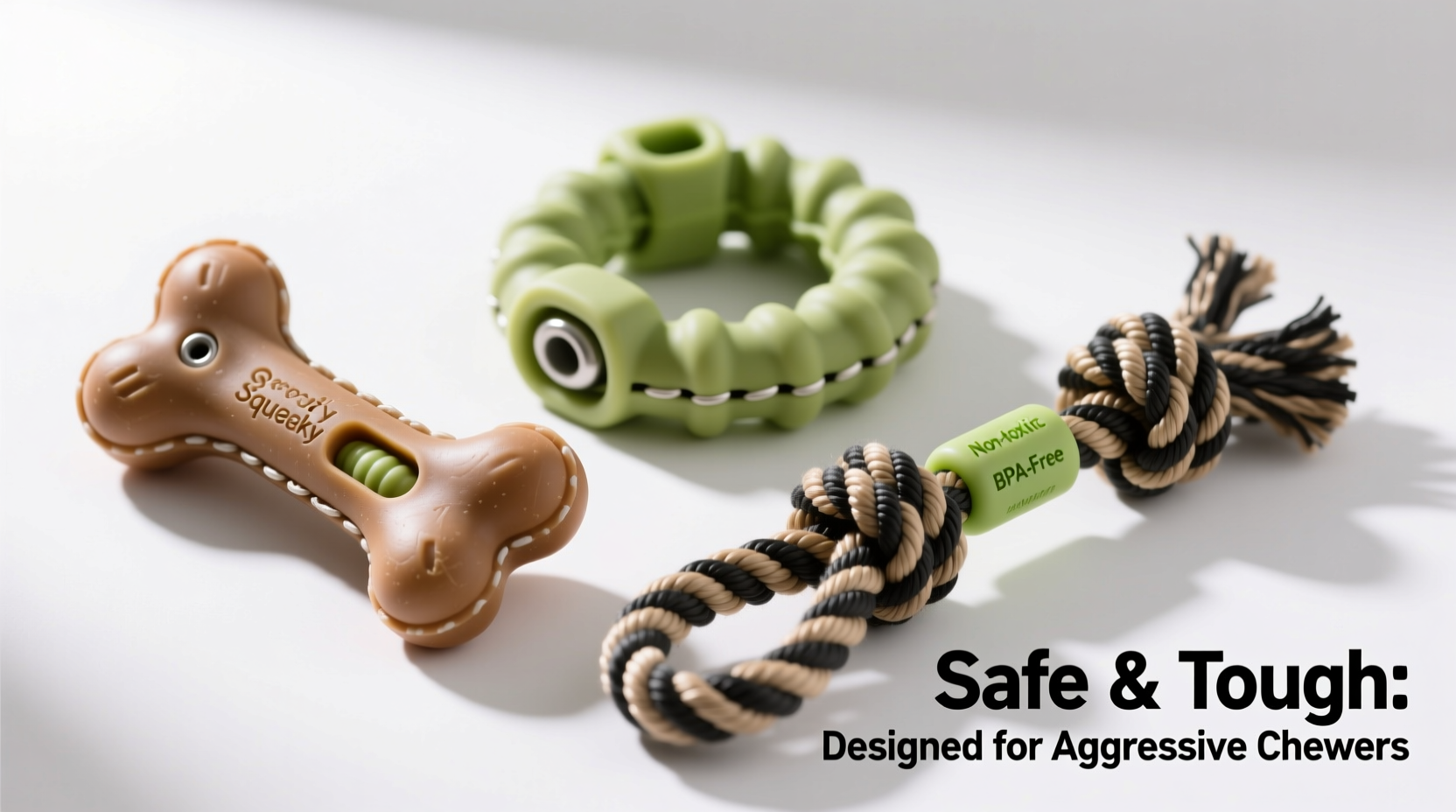
Dogs that fall into the “aggressive chewer” category don’t just play with toys—they dismantle them. Breeds like German Shepherds, Pit Bulls, Rottweilers, and Australian Cattle Dogs often exhibit high-intensity chewing behavior due to strong jaws, high energy, or natural herding instincts. Even smaller breeds like Jack Russell Terriers can display surprisingly destructive chewing patterns.
The key is recognizing that not all dogs interact with toys the same way. Gentle tuggers may enjoy plush squeakers for years, but aggressive chewers require a different standard of construction. When choosing toys, it’s essential to match the toy’s resilience to your dog’s chewing strength and style.
Materials That Matter: What Works and What Doesn’t
The material composition of a squeaky toy determines both its safety and lifespan. Not all \"durable\" labels are created equal. Below is a breakdown of common materials used in squeaky toys and their suitability for aggressive chewers.
| Material | Pros | Cons | Best For |
|---|---|---|---|
| Rubber (e.g., TPR, natural rubber) | Durable, flexible, non-toxic options available | Low-quality rubber can crack; some contain phthalates | Moderate to heavy chewers |
| Fleece-reinforced fabric | Softer on gums, layered for strength | Still vulnerable to determined chewers | Dogs who chew but don’t destroy instantly |
| Double- or triple-layered nylon | Extremely tough, resists punctures | Can be too hard, risking tooth wear | Power chewers under supervision |
| Plush with mesh lining | Soft exterior with added internal strength | Outer layer often shredded quickly | Light chewers only |
| Polyester stuffing / recycled fibers | Safer than foam if ingested in small amounts | Still a choking hazard if swallowed | All toys—check fill type carefully |
When evaluating materials, prioritize non-toxic, BPA-free, and phthalate-free certifications. Look for brands that disclose material sources and manufacturing standards. Avoid toys with chemical odors or overly bright dyes, which may indicate unsafe additives.
Design Features That Enhance Durability
Beyond materials, the structural design of a squeaky toy plays a crucial role in longevity. Many toys fail not because of weak materials but due to poor engineering. Consider these design elements when shopping:
- Reinforced stitching: Double or triple stitching along stress points prevents early seam failure.
- Internal squeaker protection: Some toys encase the squeaker in a separate rubber or nylon chamber, preventing immediate access.
- Seamless molding: Rubber toys without glued joints resist splitting.
- Multiple squeakers: Toys with backup squeakers maintain engagement even after one fails.
- Textured surfaces: Raised ridges or nubs help clean teeth and provide grip, reducing slip-related tearing.
A well-designed toy distributes pressure evenly during chewing, minimizing weak spots. Avoid toys with external tags, loose threads, or protruding eyes/noses that dogs can easily pull off and swallow.
“Dogs don’t just chew with their teeth—they use their paws and torsos to twist and tear. A toy must withstand multi-directional force.” — Dr. Lena Reyes, Veterinary Behaviorist
Step-by-Step Guide to Choosing the Right Squeaky Toy
Selecting the ideal squeaky toy involves more than browsing online reviews. Follow this practical sequence to make informed decisions:
- Assess your dog’s chewing level: Does your dog gently carry toys or demolish them in under ten minutes? Be honest in your evaluation.
- Measure jaw strength: Compare your dog’s breed and size to known chewers. Large breeds with broad skulls typically generate over 300 PSI of bite force.
- Check product claims critically: Terms like “indestructible” are marketing gimmicks. Look for specific claims like “tested against 500+ chew cycles.”
- Inspect independent lab testing: Reputable brands publish third-party safety and durability reports. Look for ISO or ASTM compliance.
- Start with a trial toy: Purchase one unit before buying in bulk. Monitor play for at least 15 minutes to observe weak points.
- Supervise initial use: Watch how your dog attacks the toy. Do they go straight for the squeaker? Rip seams? Crush the body?
- Evaluate post-play condition: After play, inspect for tears, exposed filling, or damaged squeakers. Discard if compromised.
Real-World Example: Max the Border Collie Mix
Max, a 45-pound Border Collie mix, had destroyed over a dozen squeaky toys in six months. His owner, frustrated by constant replacements, switched strategies after consulting a canine behaviorist. Instead of plush dinosaurs, she chose a rubber squirrel-shaped toy with an internal squeaker housed in a replaceable capsule.
The toy was made from FDA-compliant thermoplastic rubber and featured reinforced sidewalls. Though Max bit through the outer layer in two weeks, the squeaker remained intact, and no harmful pieces were ingested. The toy lasted five times longer than previous options and could be disassembled for cleaning. By matching the toy to Max’s chewing intensity, his owner reduced waste, saved money, and improved safety.
Essential Safety Checklist Before Buying
Before adding any squeaky toy to your cart, verify the following:
- ✅ Made from non-toxic, pet-safe materials (look for FDA/CE certification)
- ✅ No small, detachable parts (buttons, plastic eyes, bells)
- ✅ Squeaker fully enclosed in protective layer
- ✅ Reinforced stitching or seamless construction
- ✅ Appropriate size—too small risks choking, too large reduces engagement
- ✅ Easy to clean (machine washable or wipeable)
- ✅ Manufacturer provides transparency about sourcing and testing
Frequently Asked Questions
Can I repair a squeaky toy once the squeaker stops working?
It’s not recommended. Attempting repairs often introduces sharp edges or weak seams. However, some premium toys (like those from Kong or West Paw) offer replaceable squeaker modules designed for safe swapping.
Are natural rubber toys safer than synthetic ones?
Natural rubber is generally safer and more biodegradable, but quality varies. Ensure it’s free from latex allergens and manufactured without sulfur-based vulcanization if your dog has sensitivities. Synthetic TPR (thermoplastic rubber) can also be safe if labeled non-toxic.
How often should I replace squeaky toys?
Inspect toys weekly. Replace immediately if you notice torn fabric, exposed filling, cracked rubber, or a broken squeaker. For aggressive chewers, expect to replace toys every 2–6 weeks depending on usage.
Final Thoughts: Safety First, Fun Always
Choosing a squeaky toy for an aggressive chewer requires balancing excitement with responsibility. The right toy keeps your dog engaged, mentally stimulated, and physically safe. Prioritize construction quality over flashy designs, and never compromise on material safety. With careful selection and regular monitoring, you can find squeaky toys that survive intense play sessions without putting your dog at risk.




 浙公网安备
33010002000092号
浙公网安备
33010002000092号 浙B2-20120091-4
Comments
No comments yet. Why don't you start the discussion?