
Choosing the perfect summer dress for a little girl should be joyful—not stressful. But when your child has sensitive skin, that seemingly simple decision becomes layered with concerns: Will the fabric cause irritation? Is the stitching rough? Could synthetic dyes trigger a rash? For parents of children with eczema, allergies, or reactive skin, comfort isn't just a preference—it's a necessity. The good news is that you don’t have to sacrifice style for safety. With thoughtful fabric choices, smart design considerations, and a few key shopping strategies, you can find summer dresses that are gentle on delicate skin and delightful to wear.
Understanding Sensitive Skin in Children
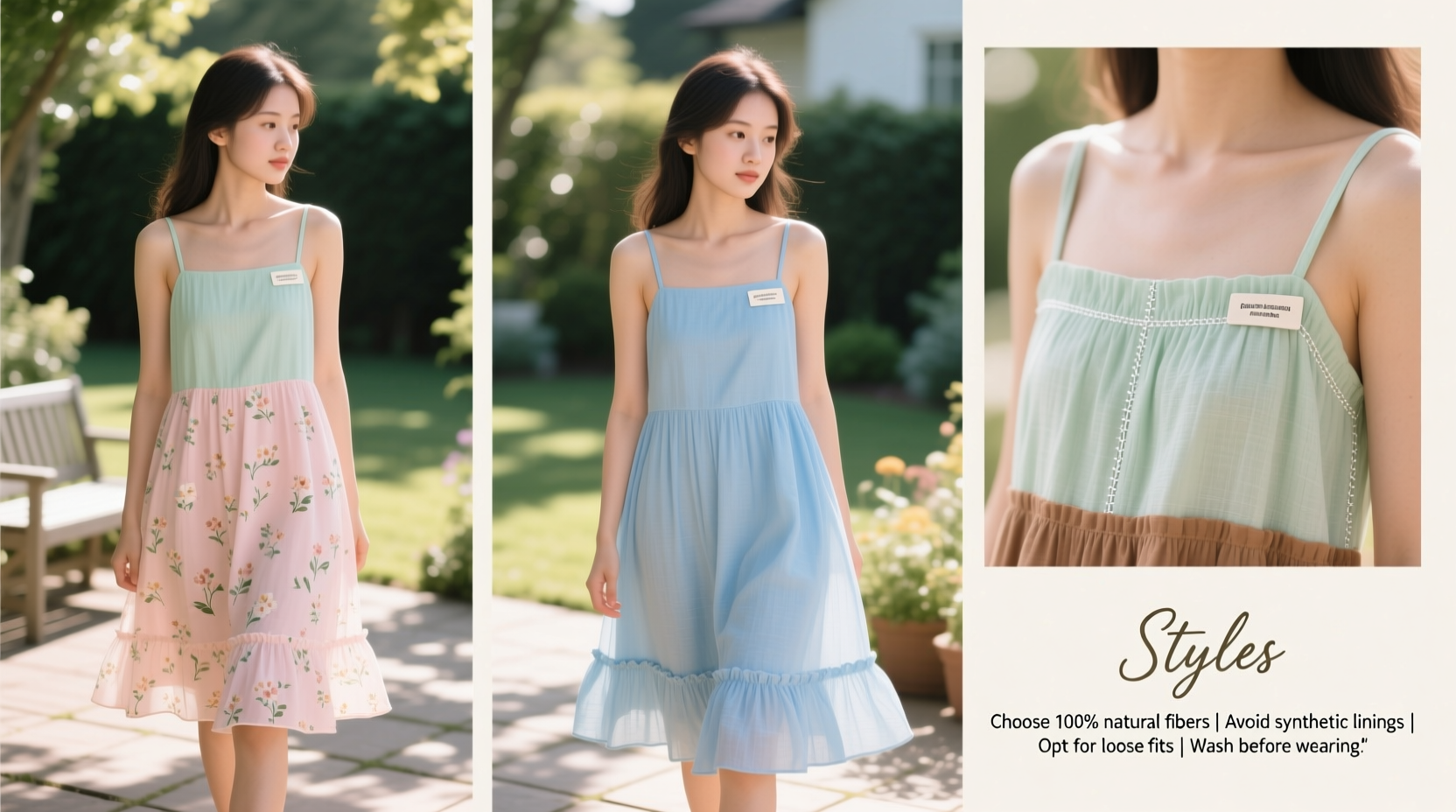
Sensitive skin in children often manifests as redness, itching, rashes, or dry patches—especially during hot, humid weather. Common triggers include synthetic fabrics, chemical dyes, scratchy seams, and tight elastic. According to pediatric dermatologists, up to 20% of children experience some form of eczema or contact dermatitis, making clothing a significant factor in skin health.
The summer months intensify these challenges. Heat increases sweating, which can trap irritants against the skin. Combined with UV exposure and friction from poorly constructed garments, the result can be discomfort or flare-ups. That’s why selecting the right summer dress goes beyond aesthetics—it’s about creating a protective, breathable barrier between the environment and your child’s skin.
“Clothing is one of the most overlooked triggers in pediatric skin conditions. Soft, natural fibers with minimal chemical processing can make a dramatic difference.” — Dr. Lena Patel, Pediatric Dermatologist
Fabric Choices That Soothe, Not Irritate
The foundation of a comfortable summer dress lies in its fabric. Not all materials are created equal, especially when it comes to skin sensitivity. Here’s a breakdown of the best and worst options:
| Fabric Type | Pros | Cons |
|---|---|---|
| Organic Cotton | Hypoallergenic, breathable, soft, absorbs moisture well | Can wrinkle easily; may shrink if not pre-washed |
| Linen | Naturally cooling, highly breathable, durable | Stiff at first; requires ironing; can feel rough if low quality |
| Bamboo Viscose (from closed-loop process) | Soft as silk, moisture-wicking, antibacterial, eco-friendly | Check sourcing—some bamboo processing uses harsh chemicals |
| Polyester / Nylon | Cheap, wrinkle-resistant, colorfast | Traps heat, non-breathable, may contain allergenic dyes |
| Rayon (viscose) | Flowy, lightweight, drapes well | Often chemically processed; less durable when wet |
When possible, opt for certified organic cotton or OEKO-TEX® Standard 100 fabrics, which guarantee no harmful substances were used in production. These certifications ensure that dyes, finishes, and treatments are safe for even the most sensitive skin.
Design Features That Enhance Comfort
A soft fabric alone isn’t enough. The construction of the dress plays a critical role in minimizing irritation. Look for these comfort-first features:
- Tagless labels or soft printed tags—sewn-in tags can rub and cause neck irritation.
- Flatlock or seamless stitching—reduces friction and prevents chafing under arms or along shoulders.
- Loose-fitting silhouettes—tight waistbands or snug sleeves restrict airflow and increase sweat buildup.
- Button or tie closures instead of elastic—elastic bands, especially around legs or waist, can dig into skin and trap moisture.
- Wide straps or cap sleeves—narrow straps dig into shoulders and concentrate pressure.
Consider sleeve length carefully. While sleeveless styles are common in summer, they offer less sun protection. A short-sleeved or flutter-sleeve dress made from UPF 50+ fabric provides both coverage and breathability, reducing the need for chemical sunscreens on sensitive areas.
Step-by-Step Guide to Dress Selection
Navigating the sea of summer dresses can be overwhelming. Follow this step-by-step process to streamline your search and ensure every choice supports your child’s comfort:
- Assess skin needs: Note any current sensitivities—eczema on arms, back rashes, or reactions to certain colors. This helps prioritize fabric and cut.
- Set material standards: Decide on acceptable fabrics (e.g., only organic cotton or linen) and avoid synthetics unless blended minimally and certified safe.
- Inspect product details online: Read descriptions carefully. Look for keywords like “hypoallergenic,” “OEKO-TEX,” “tagless,” and “breathable.” Avoid vague terms like “soft” without backing.
- Feel before buying (if in-store): Rub the inside seam against your wrist or inner forearm. If it feels scratchy, it will likely irritate your child’s skin.
- Wash and test: After purchase, wash the dress and let your child wear it indoors for a few hours. Monitor for any redness or discomfort.
- Rotate and monitor: Keep a log of which dresses cause no reaction. Build a go-to wardrobe of trusted brands and styles.
Real-Life Example: Emma’s Summer Wardrobe Shift
Emma, age 6, has mild eczema that flares during summer. Last year, her mother noticed frequent rashes on her shoulders and back after beach outings. Assuming it was sun-related, she increased sunscreen use—but the irritation persisted. After consulting a dermatologist, they realized the culprit was her favorite colorful sundresses, made from polyester blends with tight elastic waists.
They switched to a small collection of organic cotton A-line dresses with snap shoulders and no elastic. Within two weeks, Emma’s skin improved significantly. Her mom now shops exclusively from eco-conscious children’s brands and pre-washes every item. “I didn’t realize clothing could be such a big trigger,” she said. “Now, she runs around happily, and I don’t worry about her scratching all day.”
Style Tips Without Compromising Comfort
Just because a dress is designed for sensitive skin doesn’t mean it has to be plain or boring. Style and safety can coexist. Consider these ideas:
- Embrace natural dyes: Dresses colored with plant-based dyes (like indigo or turmeric) are gentler than synthetic alternatives and add unique, earthy tones.
- Choose fun prints in safe fabrics: Many organic cotton brands offer cheerful florals, animals, or geometric patterns without using harmful inks.
- Add accessories thoughtfully: Pair a simple dress with a wide-brimmed cotton hat or soft sandals. Avoid plastic jewelry or rubber hair ties that may cause contact reactions.
- Mix and match layers: On cooler summer evenings, add a lightweight cardigan made from the same safe fabric to maintain comfort.
Checklist: Buying a Summer Dress for Sensitive Skin
Before adding a dress to your cart, run through this checklist:
- ✅ Fabric is 100% organic cotton, linen, or certified bamboo
- ✅ Free from synthetic fragrances and dyes (look for OEKO-TEX or GOTS certification)
- ✅ No itchy tags or rough seams
- ✅ Elastic-free or uses soft, covered elastic only where necessary
- ✅ Loose fit with room for airflow
- ✅ Machine washable with cold water setting
- ✅ Pre-washed or recommended for immediate washing before wear
FAQ
Can my child wear dark-colored dresses if she has sensitive skin?
Yes, but ensure the dye is non-toxic and fabric-certified (e.g., OEKO-TEX). Darker shades often require more dye, so choose reputable brands that disclose their processes. Wash dark dresses separately the first few times to prevent dye transfer.
How often should I replace summer dresses?
Replace them when fabric thins, seams fray, or elastic loses stretch. Worn-out clothing can become abrasive. However, well-cared-for organic cotton dresses can last multiple seasons and be passed down.
Are “natural” fabrics always better?
Not necessarily. Even cotton can be problematic if heavily processed with formaldehyde or optical brighteners. Always check for third-party certifications rather than relying on marketing terms like “natural” or “eco-friendly.”
Final Thoughts: Comfort First, Style Naturally Follows
Selecting summer dresses for girls with sensitive skin doesn’t require giving up on beauty or fun. It simply means shifting priorities—choosing materials and designs that protect first, then delight. When a child feels physically comfortable, confidence shines through. She plays harder, sleeps better, and wears her clothes with pride.
Start small: Replace one or two high-irritation pieces with safer alternatives. Over time, build a capsule wardrobe of breathable, soft, and stylish dresses that make summer dressing easy and enjoyable. Your child’s skin—and your peace of mind—will thank you.




 浙公网安备
33010002000092号
浙公网安备
33010002000092号 浙B2-20120091-4
Comments
No comments yet. Why don't you start the discussion?