
Choosing an iPhone case isn’t just about aesthetics—it’s a decision that impacts your device’s longevity, usability, and resilience. With so many materials on the market—silicone, polycarbonate, TPU, leather, and hybrid designs—it’s easy to feel overwhelmed. The right choice depends not on trends, but on how you live, work, and move through your day. A desk-bound professional has different needs than a construction worker or an outdoor enthusiast. Understanding the strengths and trade-offs of each material ensures your iPhone stays protected without compromising comfort or functionality.
Understanding Common iPhone Case Materials
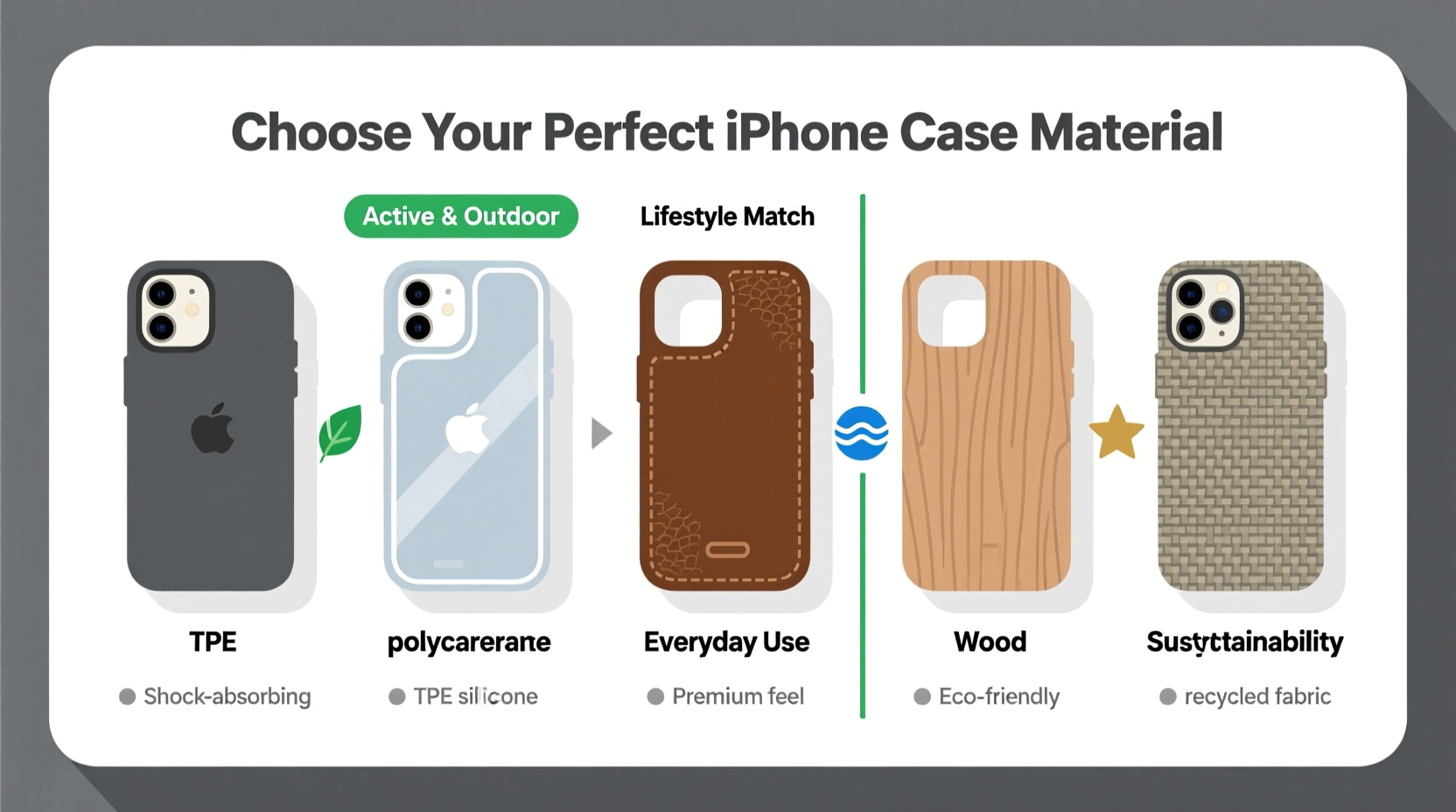
Each iPhone case material offers distinct advantages in protection, grip, weight, and style. Knowing what sets them apart helps narrow down the best fit for your routine.
- Silicone: Soft, flexible, and scratch-resistant, silicone provides a comfortable grip and basic drop protection. It resists discoloration better than some plastics but can attract dust and lint over time.
- Thermoplastic Polyurethane (TPU): A popular mid-range option, TPU combines flexibility with impact resistance. It’s more durable than silicone and often used in rugged cases, though it may yellow slightly with prolonged UV exposure.
- Polycarbonate (Hard Plastic): Rigid and sleek, polycarbonate offers excellent scratch resistance and maintains clarity in transparent cases. However, it’s less forgiving during drops compared to softer materials.
- Leather: Premium and stylish, genuine or synthetic leather ages beautifully and develops a unique patina. It offers moderate protection and is ideal for professionals seeking elegance—but requires maintenance and performs poorly in wet conditions.
- Hybrid Cases: These combine materials—typically a hard outer shell with a soft inner liner—for maximum protection. Often used in military-grade (MIL-STD-810G) certified cases, they’re bulkier but offer superior shock absorption.
Matching Case Material to Your Lifestyle
Your daily activities should dictate your case choice more than fashion trends. Here’s how different lifestyles align with specific materials:
For Office Professionals
If your phone spends most days in a bag or on a desk, prioritize slimness and aesthetics. A slim leather or clear polycarbonate case enhances professionalism while offering light protection. Avoid bulky hybrid cases unless you regularly commute or travel.
For Active Users and Outdoor Enthusiasts
Hikers, runners, and parents need durability above all. Opt for a TPU or hybrid case with reinforced corners and a raised lip. Look for water-resistant features and secure grip patterns to prevent slips during movement.
For Construction or Industrial Workers
Drops, vibrations, and debris are common. Choose a MIL-STD-810G-rated hybrid case with thick TPU bumpers and a rigid backplate. Some models include belt clips or lanyard attachments for added security.
For Travelers
Travel exposes phones to temperature changes, humidity, and rough handling. A hybrid case with antimicrobial properties and scratch resistance handles varied environments well. Avoid full-leather cases in tropical climates—they absorb moisture and degrade faster.
“Most iPhone damage comes from corner and edge impacts, not flat drops. A case with reinforced corners absorbs 70% more shock.” — Dr. Alan Zhou, Materials Engineer at Mobile Durability Labs
Comparing Protection, Durability, and Trade-offs
No single material excels in every category. Use this comparison to weigh priorities.
| Material | Drop Protection | Scratch Resistance | Weight | Lifespan | Best For |
|---|---|---|---|---|---|
| Silicone | Moderate | High | Light | 1–2 years | Everyday use, office settings |
| TPU | High | Moderate | Medium | 2–3 years (may yellow) | Active users, parents |
| Polycarbonate | Low–Moderate | Very High | Light | 1–2 years | Style-focused users, minimalists |
| Leather | Moderate | Low–Moderate | Medium | 3+ years (with care) | Professionals, gift buyers |
| Hybrid (TPU + PC) | Very High | High | Heavy | 2+ years | Rugged environments, frequent travelers |
Step-by-Step Guide to Choosing Your Ideal Case
Follow this five-step process to make a confident, personalized selection:
- Assess Your Risk Level: Do you drop your phone weekly? Carry it in a backpack? Work in dusty or wet conditions? Rank your risk from low to high.
- Prioritize Protection Needs: Decide whether drop protection, scratch resistance, or water resistance matters most.
- Consider Daily Carrying Habits: Will it stay in a purse, pocket, or clipped to gear? Bulkier cases suit bags; slimmer ones work better in tight pockets.
- Evaluate Aesthetic Preferences: Match the case to your personal style—minimalist, rugged, luxury, or colorful—without sacrificing function.
- Check Compatibility: Ensure the case supports wireless charging, doesn’t block ports or speakers, and fits any accessories like car mounts or wallets.
Real-World Example: Sarah’s Switch from Leather to Hybrid
Sarah, a landscape architect, initially chose a premium leather case for her iPhone 15 Pro. It looked elegant during client meetings, but after three months of site visits—exposure to dirt, rain, and multiple drops from waist height—the leather cracked and the stitching loosened. She switched to a hybrid case with a transparent back and TPU frame. Though less luxurious, it survived six months of fieldwork unscathed. “I realized I needed armor, not elegance,” she said. “Now my phone lasts as long as my workday.”
Frequently Asked Questions
Does a more expensive case always offer better protection?
Not necessarily. Price often reflects brand prestige or design, not durability. Some affordable TPU cases outperform pricier minimalist models in drop tests. Always check independent lab results or user reviews focused on real-world durability.
Can I use a phone without a case if I’m careful?
Even careful users experience accidental drops. Modern iPhones have strong glass (like Ceramic Shield), but edges and cameras remain vulnerable. One fall on concrete can crack the screen or damage internal components. A case significantly reduces repair risks and costs.
Do clear cases yellow over time?
Yes, especially those made from lower-quality TPU. UV exposure, oils from hands, and heat accelerate yellowing. Look for “anti-yellowing” or “UV-stable” formulations, or consider matte-finish clear cases that hide discoloration better.
Final Recommendations by Use Case
- Best Overall Balance: Hybrid TPU/PC case – offers strong protection without excessive bulk.
- Best for Style and Simplicity: Slim silicone or genuine leather – ideal for low-risk environments.
- Best for Heavy-Duty Use: MIL-STD-810G certified rugged case – built for extreme conditions.
- Best for Wireless Charging: Thin TPU or silicone – maintains close contact with charging pads.
- Best for Parents: Waterproof TPU with strap – prevents drops and allows easy retrieval from strollers or diaper bags.
Take Action: Protect Your Investment Wisely
Your iPhone is both a tool and an investment. The case you choose should reflect how you actually use it—not just how you wish you used it. Whether you're climbing mountains or climbing the corporate ladder, there's a material engineered to keep up. Evaluate your habits honestly, prioritize function alongside form, and select a case that works as hard as you do. Don’t wait for a cracked screen to make a decision—choose protection today that matches your tomorrow.




 浙公网安备
33010002000092号
浙公网安备
33010002000092号 浙B2-20120091-4
Comments
No comments yet. Why don't you start the discussion?